

- 113 Views
- 17 Min Read
- (0) Comment
Before the sun rises in Ras Al Khaimah, everything goes quiet. The dunes shine like embers, and there’s a light scent of cardamom in the air. This moment makes you understand how a simple sweet treat can become unforgettable. The story of RAK’s Famous Red Sand Dessert isn’t just about how it tastes. It’s also about its color, the warmth it brings, and how the land’s essence is captured in food.
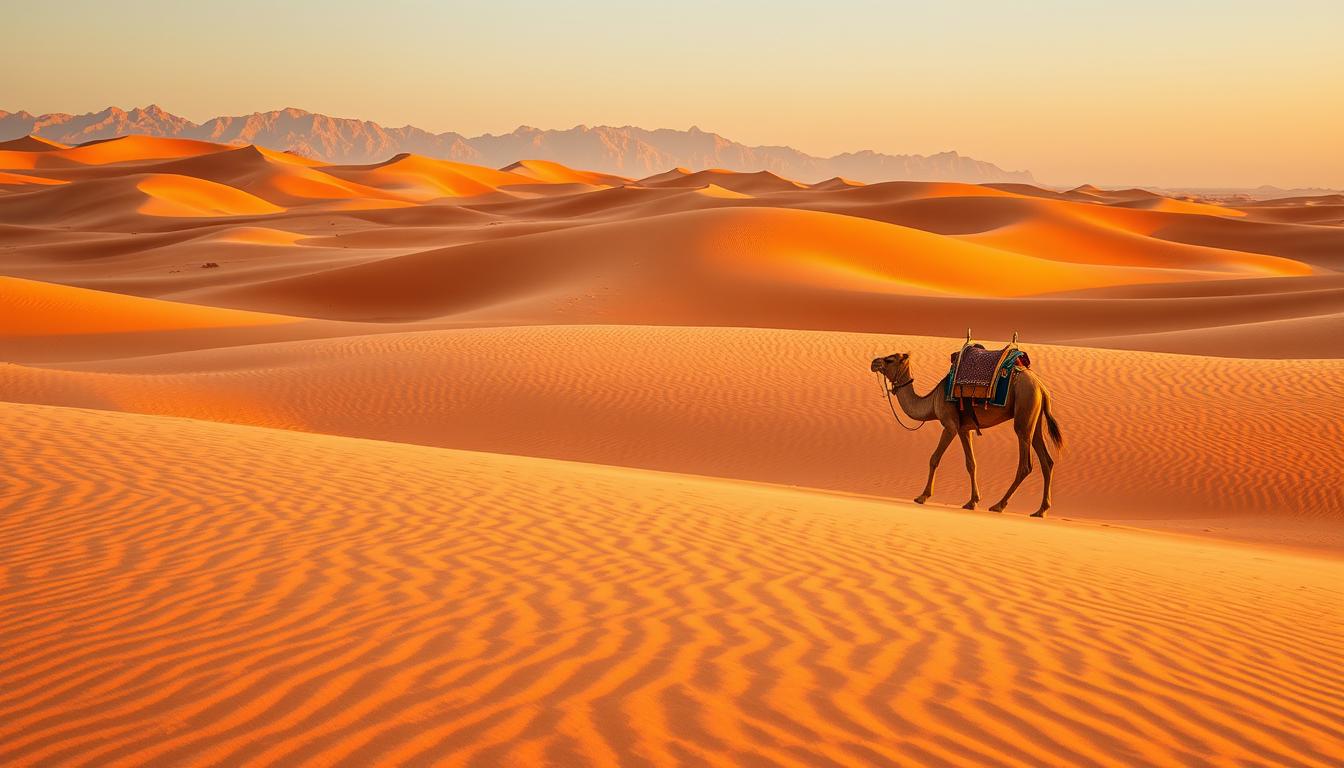
Walking onto the red dunes, you can’t help but notice their color looks just like RAK’s famous dessert. The dessert’s grains shimmer as if they were semolina touched by ghee. You imagine a gentle fire, a copper pot, and dates becoming soft and sweet. The journey of this Ras Al Khaimah dessert starts with the sand and ends on your plate, linking your sense of wonder to a tradition that endures through time.
With each bite, you experience a dessert that reflects the Bedouin’s clever ways, simplicity, and patience. It’s a part of the UAE’s dessert tradition, yet it feels uniquely yours. The flavors—spicy, nutty, and as inviting as a sunset—take you on a journey. You’re not just sampling a treat; you’re exploring a rich heritage from the desert to your dinner table.
This story is an invitation into a living tradition. As you read on, you’ll learn about its beginnings, the ingredients used, and the traditions behind its name. You’ll find out how ancient cooking methods blend with today’s culinary techniques and the best places to enjoy it beneath the open sky. This story encourages you to listen and then, to taste.
Key Takeaways
- You connect the red dunes of Ras Al Khaimah with a sweet that reflects their color and spirit.
- The Story Behind RAK’s Famous Red Sand Dessert links landscape, memory, and flavor.
- RAK’s culinary delight highlights Bedouin skill, seasonal rhythms, and simple, local staples.
- This Ras Al Khaimah dessert story fits within UAE dessert culture while feeling personal and immediate.
- A RAK traditional dessert bridges past and present, from campfire roots to modern dining.
- You will learn how origins, ingredients, and naming traditions shaped a beloved Emirati treat.
- The journey prepares you to taste the dessert where it began—among the dunes.
Origins in Ras Al Khaimah’s Landscape and Heritage
The origin of the Red Sand Dessert ties back to the terracotta areas around Al Wadi and Al Jazeera Al Hamra. The desert glows at sunset because of iron-rich sands, giving it a mesmerizing red hue. This color is key to the Arabian dessert legacy that feels very much part of RAK.
How RAK’s red dunes inspired a beloved sweet
When you stand on the dunes, you feel a strong connection. The dunes’ color reminds you of saffron and date sweets from RAK. Before you even taste it, the color and smell let you know it’s a traditional dessert from the area.
Bedouin ingenuity and the roots of RAK traditional dessert
Bedouin cooks needed ingredients that were easy to carry, like semolina, butter, dates, and spices. They made a dense, halwa-style sweet that was packed with energy and easy to travel with. This practical cooking is at the heart of the Red Sand Dessert’s history and the wider Arabian dessert tradition.
As trading grew, spices and nuts were added to the mix. The methods stayed simple, but flavors became richer, adding to Ras Al Khaimah’s dessert offerings. This kept the dessert’s traditional roots alive while allowing it to evolve.
From campfire treats to a modern Ras Al Khaimah dessert story
This dessert journey moved from desert camps to family gatherings and grand celebrations. Today, these sweets hold the essence of the dunes, whether enjoyed at home or during cultural events like camel trekking. They bridge the past and present, celebrating the RAK dessert tradition and its place in the larger Arabian story.
Ingredients That Define RAK’s Culinary Delight
RAK’s culinary delight shines through its simple pantry and careful cooking. Each ingredient pays tribute to UAE’s dessert heritage. It reflects The Story Behind RAK’s Famous Red Sand Dessert in every bite.
Local staples: semolina, dates, ghee, and saffron
It begins with semolina. You toast it in ghee until it’s golden and fragrant. Then, date pulp or thick date molasses adds a lasting sweetness.
Saffron brings a soft scent and a beautiful color. A hint of cardamom and a pinch of salt make the flavors stand out.
Natural color cues inspired by the red sands
Colors come naturally, without artificial dyes. Caramelizing dates darkens the color, and toasting semolina adds a warm hue.
Saffron threads enhance the red-toned glow. This mirrors the beauty of RAK’s desert and honors UAE dessert traditions.
Flavor balance: caramel notes, spice warmth, and nutty depth
The flavor strikes a balance. Caramel from dates blends with ghee’s richness, while cardamom brings a subtle warmth.
Add pistachios, almonds, or sesame for texture. A hint of rosewater adds a floral note. Adjust the texture to your liking, but the essence of RAK’s culinary delight remains.
Red Sand Dessert Origin and Naming Traditions
The origin of the Red Sand Dessert comes from the red dunes near Ras Al Khaimah. Travelers used these dunes as guides at dusk, seeing the iron-rich sands shine. This brilliant color is why the dessert is named as it is today, connecting eating it to the land and stories of Ras Al Khaimah told with pride.
Names often reflect the landscape: like sand, grains, or dunes. Across the peninsula, sweets get their names from their texture or color—like toasted crumbs, the smoothness of ghee, and the rich color of saffron. As these recipes moved from tents to towns, “red sand” became the name, tying the dessert’s story to both place and memory.
Families keep the tradition alive using oral recipes—a palm of semolina, a pinch of saffron. You find this heritage in bakeries, on menus, and at festivals, where the name highlights both its color and how it’s made. This marks an important part of Arabian dessert tradition, linking the desert and city life.
Ask vendors about the dessert’s lasting name, and they mention two things: its unique color and its sandy texture. Both aspects lead to one idea—this sweet captures the essence of its origins. Thus, the story of the Red Sand Dessert lives on, making its history clear to all who enjoy it, within the broader Arabian dessert tradition.
The Story Behind RAK’s Famous Red Sand Dessert
When elders talk about the dessert, you feel connected to UAE’s desert culture. Families used to gather in the cool months around fires. They made this sweet treat from simple ingredients like grains and dates. This gesture was a warm welcome. It’s a tradition that keeps the Red Sand dessert’s story alive and well.
Legends, family recipes, and oral histories
Welcome bonuses for travelers included a bowl, cardamom coffee, and stories. Grandmas would teach the recipes through smell and look, not exact amounts. Listening to them, you learn how to toast and use saffron. This is what makes RAK’s dessert so special and full of history.
Community celebrations that preserved the dessert
During big holidays, the dessert is served with Arabic coffee as a sign of welcome. These events help keep the dessert’s story alive and well-known. By experiencing this, you see how UAE’s dessert culture keeps memories and tastes alive.
From heritage kitchens to boutique bakeries
As RAK grew, hotels and bakeries kept the dessert’s heart while adding new touches. You might see candied nuts or rose petals on it now. But the original spirit remains unchanged. This mix of old and new shows how RAK’s Red Sand Dessert remains a proud tradition.
Red Sand Dessert History in UAE Dessert Culture
You find a dessert that tells the story of the deserts. It is woven into UAE’s dessert culture, connecting families and celebrations. Each bite contains the essence of place, traditions, and skills honed over time.
Connections to broader Arabian dessert legacy
When you compare it with halwa from Oman, aseeda across the Gulf, and sago from coastal areas, a common thread appears. They all use ghee, cardamom, and dates. But the Red Sand dessert stands out with its unique preparation. It’s made distinct by slow roasting and adding saffron, tying it strongly to Arabian traditions while highlighting Ras Al Khaimah’s local flavors.
Festivals, weddings, and seasonal significance
Its red-gold color brings joy and plenty to Ramadan and Eid. At weddings, it symbolizes lavish hospitality. Winter brings dishes with more ghee and spices, while spring versions are lighter with rosewater. This rhythm underlines its place in UAE’s dessert culture.
Regional variations across the Northern Emirates
Each region adds its touch. Ras Al Khaimah prefers it a bit darker, like their dunes. Ajman adds extra saffron for its scent and hue, and Umm Al Quwain finishes with pistachios for crunch. Yet, the base of dates and careful roasting connects them, honoring the tradition of Ras Al Khaimah.
| Region | Signature Twist | Flavor Focus | Cultural Moment |
|---|---|---|---|
| Ras Al Khaimah | Darker semolina toast to match dune tones | Caramel depth with saffron warmth | Winter majlis and heritage gatherings |
| Ajman | Extra saffron threads | Fragrant spice and golden color | Eid brunches and family feasts |
| Umm Al Quwain | Pistachio-forward topping | Nutty crunch with date sweetness | Weddings and festive receptions |
| Dubai & Sharjah | Balanced rosewater accents | Light floral notes | Ramadan tents and community iftar |
How to Experience RAK’s Red Sand Dessert Today
Savor RAK’s culinary delights at heritage restaurants across Ras Al Khaimah, where Arabic coffee comes with warm dishes. Ask for local dates and Emirati ghee versions to keep it authentic. This way, the dessert story stays true to its roots.
In hotel lounges, the dessert takes a refined form with saffron and gentle spices. This setting offers a quiet space to enjoy the story behind RAK’s famous dessert. You also get great service and a view of the Hajar Mountains.
Cultural centers and culinary tours show how the dessert is made, step by step. Watching ghee melt and semolina toast is special, more so when tasted at dusk by the red dunes. It brings the traditional dessert to life.
For a special experience, enjoy the dessert at sunset in the desert. As the sand turns saffron, the flavors deepen. This moment connects you to RAK’s landscape. It adds a sensory experience to the story of RAK’s famous dessert.
If you’re cooking at home, get your ingredients from local stores. Use semolina, saffron threads, date syrup, and Emirati ghee. Bloom the saffron, toast the semolina until it’s nutty, then fold in the syrup. This way, you keep the dessert’s story alive without missing its essence.
Pick places or experiences that focus on heritage, like a café in majlis style or guided tastings by skilled cooks. In each place, the dessert bridges memory, location, and taste.
| Experience Type | What You’ll Taste | Best For | Authenticity Tips |
|---|---|---|---|
| Heritage Restaurant | Warm, rustic texture with rich ghee and date sweetness | Traditional ambience and family-style portions | Look for local dates, Emirati ghee, and saffron echoes of the dunes |
| Hotel Lounge | Refined plating, balanced spice, elegant garnish | Quiet tastings and curated pairings | Ask how the recipe reflects The Story Behind RAK’s Famous Red Sand Dessert |
| Cultural Center Demo | Freshly toasted semolina with spiced syrup folded in | Hands-on learning and live storytelling | Confirm the use of local ingredients to honor the Ras Al Khaimah dessert story |
| Desert Sunset Tasting | Saffron warmth mirroring the red sands at dusk | Immersive, place-focused flavor memory | Time your tasting to sunset to deepen the link to RAK’s culinary delight |
| Home Cooking | Custom spice levels with a nutty, aromatic base | Personalization and repeatable results | Toast semolina well and use date syrup to honor the RAK traditional dessert |
Pairings and Presentation: Elevating a RAK Traditional Dessert
When you present this RAK traditional dessert, you celebrate UAE’s dessert culture. Portion it modestly and highlight the saffron’s rich color. Your goal is to mimic the desert’s sweeping dunes with clean, elegant lines. Doing so brings out the essence of RAK’s culinary tradition while honoring Arabian dessert history.
Serving styles for modern dining
Offer it family-style on a glossy shallow dish. The semolina and dates should be firm and warm, perfect for slicing. This style fits well in a majlis, encouraging guests to share.
For a tasting menu, shape neat quenelles. Place them on stoneware that reminds you of the desert’s red sands. You can serve it warm for its aroma and tenderness, or let it cool for neater slices.
Perfect pairings: gahwa, karak, and date syrups
Serve freshly brewed gahwa with a hint of cardamom. It enhances the saffron’s aroma and deepens the spicy notes. If you like rich flavors, karak tea is a creamy choice. It complements the dessert’s caramel taste nicely.
Don’t forget a light drizzle of local date syrup on each plate. It lifts the flavors of the semolina and dates without hiding the spices. This touch ties everything back to the UAE’s dessert traditions and RAK’s culinary pride.
Texture contrasts with nuts, rose petals, and honey
Add roasted pistachios or almonds for a crunchy texture. A sprinkle of toasted sesame seeds adds a nice crunch too. Then, place a few rose petals on top for their scent and color.
Drizzle a bit of sidr or acacia honey for a floral note. It highlights the main flavors without overshadowing them. This balance honors the Arabian dessert legacy and elevates the RAK traditional dessert.
| Element | Why It Works | Recommended Use |
|---|---|---|
| Family-Style Platter | Encourages sharing and highlights heritage | Casual majlis gatherings; warm service |
| Quenelles on Stoneware | Refined form complements dune-inspired tones | Elevated tasting menus; room-temperature slices |
| Gahwa | Cardamom amplifies saffron and spice | Serve alongside each portion for aromatic lift |
| Karak | Creaminess balances caramel depth | Offer as an alternative for richer pairing |
| Date Syrup | Intensifies sweetness without overpowering | Light drizzle as a finishing accent |
| Pistachios & Almonds | Provide crunch and nutty contrast | Coarsely chopped; sprinkle before serving |
| Toasted Sesame | Adds warmth and subtle texture | Pinch over the surface while warm |
| Rose Petals | Brings floral scent and visual elegance | Use sparingly for color and aroma |
| Sidr/Acacia Honey | Floral finish that preserves balance | Thin thread just before plating |
Where to Taste It in the Dunes with Desert Buggy Rental Dubai
Experience the story of Ras Al Khaimah’s desert by tasting it. Ride through crimson dunes that reveal the desert’s secrets through flavors. Enjoy sweets that connect you to the tale of the famous Red Sand Dessert under the UAE’s endless sky.
Book a Morning or Evening Desert Safari for authentic tastings
Pick a Morning Desert Safari for fresh light and smooth dunes, enjoying snacks that showcase local heritage. An Evening Desert Safari lets you see the sand turn a deep red. Then, enjoy traditional Emirati dishes that are part of UAE dessert culture.
Enhance your tour with Desert BBQ Dinner and sandboarding
Add a Desert BBQ Dinner for delicious grills and desserts that tell the story of the Red Sand. Combine dinner with sandboarding to truly feel the dunes that influenced the area’s colors. This experience links to The Story Behind RAK’s Famous Red Sand Dessert.
Contact Desert Buggy Rental Dubai: +971 52 440 9525 | [email protected] | 24-hour booking
Design your journey through dunes reflecting the dessert story of Ras Al Khaimah. Contact us anytime to book a time that suits your schedule and interest in UAE dessert culture.
Service options: Dune Buggy Tours, Quad Biking Tours, Camel Ride
Choose Dune Buggy Tours for speed, Quad Biking Tours for flexibility, or a Camel Ride for serene desert travel. Each option offers a unique view of the Red Sand Dessert. You get a mix of sights, smells, and tastes, making the dunes a live showcase of nature’s pantry.
Conclusion
You now understand the story behind RAK’s famous Red Sand Dessert. This dessert is more than just a treat. It shows the beauty of the red dunes, the toughness of the Bedouins, and the kindness of the Emirati people. Its mix of saffron, dates, and toasted semolina tells a story of trade and journeys in the Northern Emirates.
Looking back at the history of the Red Sand dessert, we learn how basic foods became a sign of welcoming guests. The story of this Ras Al Khaimah dessert lives in every bite. From old family kitchens to fancy shops, each spoonful connects history, skill, and location.
To really understand its origins, you should visit the dunes and try the dessert for yourself. Imagine tasting the flavors right where they come from during a guided tour. Think about a night spent under the stars after exploring red dune adventures. This way, you link the dessert’s story to the very land that inspired it.
Whether you enjoy it at home or outside in the desert, the RAK traditional dessert keeps its story alive. It’s special because it tastes like its home—warm, vibrant, and inviting. This way, the story of the Red Sand dessert continues with every new meeting.
FAQ
What is the Red Sand Dessert, and why is it famous in Ras Al Khaimah?
The Red Sand Dessert is a treat made from semolina and dates. It’s known for its warm red-gold color. This color resembles RAK’s dunes. It’s a symbol of Emirati hospitality and important in UAE dessert culture.
What is the origin of RAK’s Red Sand Dessert?
It started in Bedouin camps near Al Wadi and Al Jazeera Al Hamra. Ingredients like semolina, ghee, dates, and spices were first used. Over time, saffron and nuts were added, making the dessert what it is today.
How did the dessert get its “Red Sand” name?
The name comes from its color, which matches RAK’s red dunes. Descriptors like sand and grains are used. So, it’s known across heritage restaurants as RAK’s special dish.
Which ingredients define the flavor and color?
Semolina toasted in ghee, dates, saffron, and cardamom are key. The red color comes from natural ingredients. Saffron, date caramelization, and toasting contribute. Optional nuts and rosewater add texture and fragrance.
What does it taste like, and what’s the texture?
It has a rich caramel taste and a buttery feel. The spice adds warmth. Its texture can be soft like halwa or crumbly. It’s satisfying without being too sweet.
How is it connected to wider UAE dessert culture?
It’s enjoyed with other traditional sweets during special events. Its red-gold color is a sign of joy. Even with small variations, its core ingredients remain the same across the Northern Emirates.
Are there regional variations within the Northern Emirates?
Yes. Different areas might add more of certain ingredients. RAK prefers a darker toast. Ajman uses more saffron. Umm Al Quwain likes pistachio toppings. But the base recipe is common everywhere.
Can you make it at home?
Definitely. Start by toasting semolina in ghee. Then, add saffron water and date syrup with cardamom and salt. The liquid amount can vary. Nuts or sesame seeds can be used as garnish.
What are the best pairings and serving styles?
Serve it warm or as quenelles. It goes well with traditional coffee or karak. A drizzle of local honey or date syrup complements its flavors without overshadowing them.
Where can you taste it in the dunes?
Try it during a Desert Safari with Desert Buggy Rental Dubai. Adding a BBQ dinner or sandboarding makes the experience even better.
How do you contact Desert Buggy Rental Dubai for a tasting tour?
Reach out at +971 52 440 9525 or [email protected]. You can book 24/7 for various tours.
What occasions traditionally feature the dessert?
It’s served at gatherings, iftars, Eid, and weddings. Hosting it with Arabic coffee welcomes guests. This practice keeps RAK’s dessert tradition alive.
Why is the dessert considered a heritage emblem of RAK?
Its color links it to RAK’s dunes. The traditional making method is a Bedouin legacy. Recipes are passed down in families, keeping its history alive.
Can you find modern versions in hotels or bakeries?
Yes, in RAK boutique bakeries and hotels. They include modern touches like candied nuts. These versions respect the tradition while appealing to today’s tastes.
What should you look for to ensure authenticity?
Look for real ghee, Emirati date syrup, and saffron threads. Menus that feature local ingredients are a good sign of authenticity.
Categories
- Uncategorized (4)
- Desert Buggy Rental (2,089)
- Dune buggy (4)
- Quad Bike Rental (1)
- Desert safari (1)
- Hot air ballon (2)
- dirt bike (4)
Recent Post



Tags
400cc buggy speed Auction News Beginner Friendly Tours Budget travel Camel rides in Dubai Camel trekking abu dhabi experience Custom dune rides Desert Experience Dubai Desert safari cost in Dubai Desert survival skills desert tour Abu Dhabi Dirt bike ras al khaimah Dressing norms for expats in Dubai Dubai buggy car dealers Dubai vehicle licensing Dune buggy seating Dune buggy speed Dune Universe Elite Sand Buggy Models Expensive desert quad Family-friendly off-roading Family Fun Fashion dos and don'ts in Dubai Financials of Dune film Fremen culture Iconic car collections Jaguar XJ6 Kids Activities in UAE Luxury car experiences Luxury car repossessions Motorized Vehicles in the UK Muad'Dib and Islam Navigating Motion Sickness Off-road buggy experiences in Dubai Outdoor activities in Namibia Overnight Desert Safari Road Legal Buggy Sand Dunes Fashion Seasickness prevention Souk etiquette Suitable age for Dune Summer activities in Dubai Tourist car purchases in Dubai UK car industry World's tallest dune