

- 151 Views
- 22 Min Read
- (0) Comment
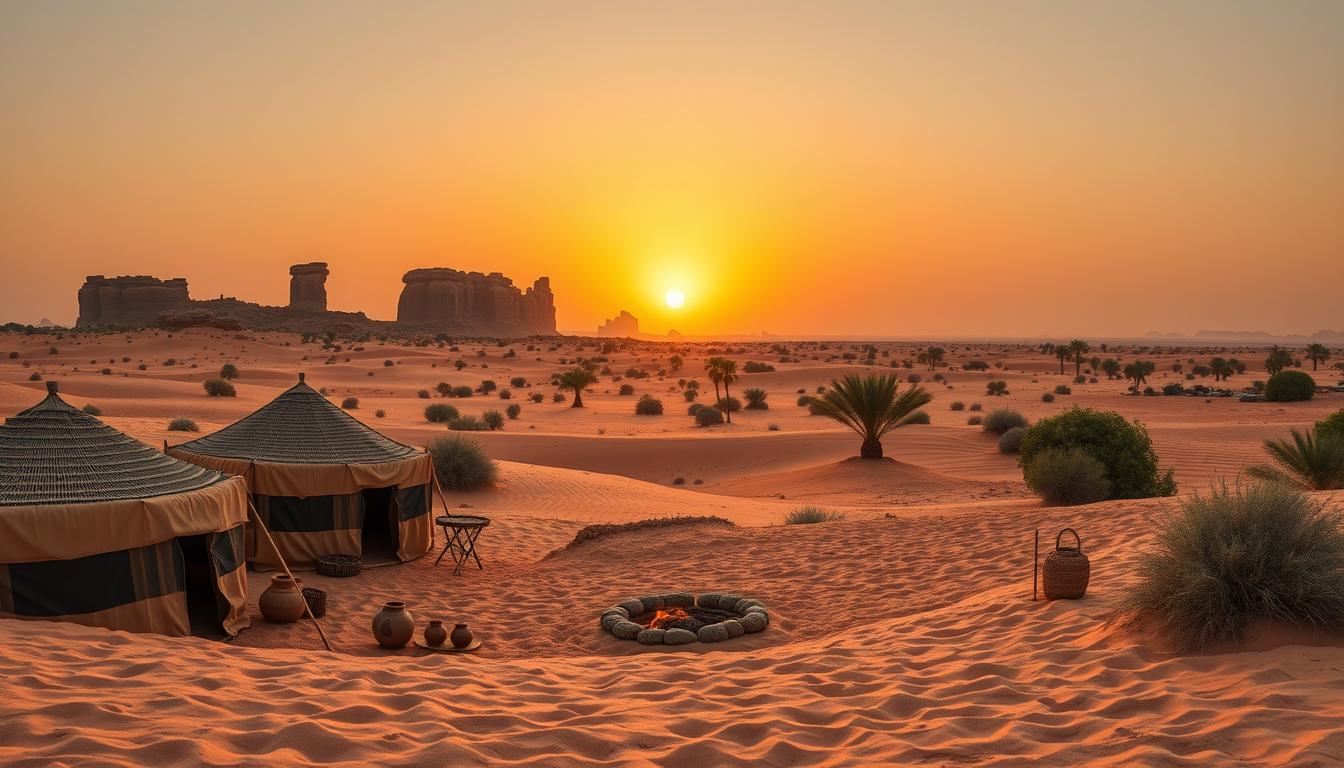
At dawn, you step onto the sand. It’s quieter than city lights, ancient. In this silence, the dunes whisper stories of travelers, campfires, and camels. They carry the rhythm of lives crossing vast horizons. The dry air you breathe turns the desert’s history in Ras Al Khaimah from a thought into something you can feel.
Between the Hajar Mountains and the Gulf lies a desert that shaped people’s lives. You sense how they learned to survive: finding shade, tracking the paths of rare rain, and keeping faith in the dark. Through these actions, Ras Al Khaimah’s desert past becomes a lesson in how to live, listen, and connect.
Life here was built on simple truths: valuing water, sharing dates, and caring for animals. Bedouin culture preserved memories with poetry and songs, maintaining bonds strong against shifting sands. You learn about the adaptation of wildlife, the importance of plants like sidr, and how trade linked oases to the sea. To understand more about desert life, including camel riding and Bedouin camps, visit this site.
Begin with an aim to learn respectfully. The narrative spans from ancient shelters to the pearling days, then toward conservation and mindful travel. Your exploration of The History of Desert Life in Ras Al Khaimah becomes a pledge to the land.
Key Takeaways
- You explore Ras Al Khaimah desert history through the lens of landscape, from mountains to dune fields and seasonal wadis.
- Bedouin culture shows how traditional desert living balanced water, herding, and dates with oral traditions that preserved identity.
- The desert ecosystem explains how plants and wildlife adapted with resilience, shaping daily life and survival.
- Trade routes once linked oases, coast, and mountains, weaving people and resources across the emirate.
- Modern stewardship invites responsible travel that protects habitats, heritage sites, and community knowledge.
- Your choices today can honor The History of Desert Life in Ras Al Khaimah while enriching your own understanding.
Understanding the Desert Ecosystem in Ras Al Khaimah
As you explore, you enter a world shaped by the sea breeze and the Hajar Mountains. This desert ecosystem is defined by low rainfall and high evaporation. Here, dunes, sabkha flats, gravel plains, and seasonal wadis create a unique landscape. Understanding this terrain connects us to the history of the Ras Al Khaimah desert.
How arid climates shaped your surroundings
The days here are hot, and the nights cool quickly. Moisture disappears before it has a chance to soak in. Suddenly, storms come, making wadis flow and then dry up, leaving new trails and layers of silt. The Shamal winds shape dunes into new forms, and sabkha flats harden with salt.
These forces arrange the land. We find solid gravel plains for walking, soft dunes that require caution, and shaded wadi corners full of life.
Key desert plant species and their adaptations
Desert plants, like the Prosopis cineraria (ghaf), dig deep roots to find water. The Ziziphus spina-christi (sidr) has thick canopies and small leaves to keep water loss low. The Phoenix dactylifera (date palm) grows well near water, offering fruit, shade, and fiber.
On the sabkha, halophytes survive the salty conditions. After the rare rain, ephemerals quickly bloom, seed, and fade away. This cycle reflects Ras Al Khaimah’s desert history through plants.
Wildlife in the desert: nocturnal and migratory behaviors
Desert animals adapt with special timing. Arabian sand gazelles and desert hedgehogs are active at twilight. Spiny-tailed lizards bask on rocks then hide in burrows. Sandfish skinks slide under the sand to stay cool and save water.
In spring and fall, migratory birds visit coastal lagoons and wadis. Raptors soar on warm air currents, looking for prey in sparse shade.
Seasonal changes and their impact on desert life
Winter makes it easier to move and find food, thanks to cooler air and softer light. In summer, the heat pushes life underground or into nocturnal habits, preserving water in the desert.
Winds reshape the dunes, revealing soil for seeds. Brief rains start the bloom and seeding process. These cycles connect desert plants and animals, marking the seasons.
Bedouin Culture and Traditional Desert Living
Stepping into this world, you become part of Bedouin culture. It offers a unique way to see the desert, welcome guests, and gaze at the stars. The traditional desert lifestyle is deeply tied to the history of desert life in Ras Al Khaimah. Things like ancient routes, songs, and crafts still influence the community here.
Nomadic routes, tribes, and social structures
Traveling across the desert follows a cycle. You move from dunes to oases, mountain pastures, and then to Ras Al Khaimah’s coastal markets. Tribal rules decide who can use wells and pastures. A respected sheikh solves any arguments.
This system encourages working together. Following these traditions, you help preserve the environment. This trust has kept the desert’s history alive through the years.
Shelter, clothing, and survival strategies
Setting up a bait al-sha’ar—a tent made of goat hair—is essential. It protects from weather and keeps inside temperatures stable. Sadu weavings, celebrated by UNESCO in the UAE, display tribal stories and decorate spaces.
Dressing in abayas, kanduras, and ghutras shields you from the sun and sand. Navigation relies on stars, land shapes, and shared knowledge. All while ensuring water sources are remembered during travels.
Oral histories, poetry, and music of the sands
Nabati poetry tells stories of wells, storms, and heroes. Singing together keeps these tales alive. The rababah and ardha dances create a unique rhythm during gatherings.
Through stories, you find your way, much like using a map. These cultural expressions make the desert’s history feel alive and speaking directly to you.
Desert hospitality and codes of conduct
Entering a majlis, you are greeted with water, gahwa, and dates. This is a sign of safety. Listening, respecting elders, and showing gratitude are key social rules that build trust.
Meals like Majboos and Harees turn eating into a communal event under the sky. To see these traditions yourself, visit Bedouin traditions on a desert safari. You’ll see how hospitality, crafts, and stories blend with today’s world.
The History of Desert Life in Ras Al Khaimah
At the crossroads, dunes, mountains, and the Gulf have shaped life for ages. The story of Ras Al Khaimah’s desert shows how water, movement, and trade linked people and places. This history helps us understand the land today.
From prehistoric settlements to pearling-era caravans
Navigate through time from ancient coastal shell heaps to desert camps. The Bronze Age brought metalwork and farming, with communities storing grain and dates. Later, caravans of wool, livestock, and dates crisscrossed the land, while boats traded pearls and fish.
Camel routes connected dwellings, wells, and ports during the early modern era. The Straits of Hormuz made local ports essential. Each story in this era enriches the history of Ras Al Khaimah’s desert.
Trade corridors linking oases, mountains, and coast
See the land as a map of past decisions. Wadis led traffic to palm groves and deserts. Trade routes linked village markets with ships traveling to the Persian Gulf and the Indian Ocean.
Ras Al Khaimah turned paths into wide networks. Stops for caravans were made by water sources and mountains directed travelers. This way, the history here becomes a guide for exploration.
Archaeological sites and what they reveal
Forts, settlements, and burial sites show defense, beliefs, and family bonds. Found ceramics and metalwork hint at distant trade, while ancient irrigation displays smart water use.
Exploring the emirate, you find stories of both prosperity and hardship. Each story shows that success in Ras Al Khaimah’s desert relied on learning, teamwork, and managing water cleverly.
How modernization transformed desert livelihoods
In the 20th century, the pearl industry fell, and new roads changed everything. Oil wealth and government efforts improved life with schools, clinics, and ports. Settling down increased, and cars took over from camels on old routes.
Still, traditional desert activities like crafts, poetry, camel races, and falconry remain vital. Conservation and heritage efforts help keep the desert’s history alive. They allow us to respect the past as we move forward.
Arabian Desert Animals and Their Cultural Significance
Walking into the desert dunes of Ras Al Khaimah is like entering a living museum. There, you find how the desert animals shape everyday life and memories. They show the importance of wildlife in Bedouin culture, affecting trade, sport, and storytelling.
Camels, falcons, and salukis in daily life
The dromedary camel is often the first encounter. It’s not just a beast of burden but also offers nutritious milk and provides wool. Camel races are a big deal in the UAE, promoting expert breeding and training. They even adapt to new markets through modern dairies.
Falcons, both saker and peregrine, are central to an ancient hunting tradition. This practice, now protected by UNESCO, includes regulated breeding and healthcare for the birds. You’ll see microchipping and vet clinics ensuring their well-being and ethical treatment.
Salukis, swift desert dogs, were once hunting buddies and pets. Now, regional clubs work hard to maintain their pure lines and ensure fair sport. This ties modern practices back to traditional Bedouin values.
Predators, reptiles, and pollinators in the food web
Predators such as the Arabian red fox and eagles help control smaller animal populations. Their presence is essential for maintaining balance in the desert.
Reptiles add to the desert’s life story. Species like the dhub graze on shrubs, while vipers and geckos manage insect populations. They all connect the energy flow across the dunes.
Pollinators like bees and moths are vital for plants like acacia. They’re part of a synergy that brings resilience to desert life, especially observable at dawn and dusk.
Conservation status and protection initiatives
Efforts to protect desert wildlife are increasing in the UAE. Protected areas and laws support species at risk. Projects to reintroduce oryx and preserve ghaf trees help heal fragile ecosystems, deeply rooted in Bedouin culture.
As a guest, your actions matter too. Respect wildlife by keeping your distance and sticking to trails. Report any injured animals you see. Together, small actions can make a big difference.
| Species/Group | Role in Ecosystem | Cultural Connection | Key Protection Measures |
|---|---|---|---|
| Dromedary camel | Transport, nutrient cycling via grazing | Milk, meat, textiles, racing traditions | Welfare standards, regulated racing and breeding |
| Saker and peregrine falcons | Top avian predators controlling prey | Falconry heritage recognized by UNESCO | Permits, tracking, specialist veterinary care |
| Saluki | Assists sustainable hunting practices | Sighthound of Bedouin culture | Breeding registries, sporting ethics |
| Arabian red fox, caracal | Predation balancing small mammals | Featured in regional folklore | Habitat protection, anti-poaching enforcement |
| Dhub, horned vipers, geckos, skinks | Herbivory and insect control | Locally known for resilience | Range monitoring, disturbance limits |
| Solitary bees, moths | Pollination of acacia and desert gourds | Supports traditional foraging | Floral habitat restoration, pesticide management |
Desert Plant Species: Food, Medicine, and Materials
Desert plants shape everyday life in oases, being central to work, trade, and healthcare. The History of Desert Life in Ras Al Khaimah shows how roots, fronds, and pods make traditional desert living possible. These plants play a key role in managing scarce water wisely.
Ghafa, sidr, and date palm uses through history
The ghaf tree (Prosopis cineraria) is essential. It keeps dunes firm and provides shade. Goats and camels eat its pods. Recognized for its vital role, UAE named ghaf its national tree. It shows how desert plants support life traditionally.
The sidr tree (Ziziphus spina-christi) gives fruit and honey. Beekeepers value its honey for its taste and health benefits. Its leaves were used as shampoo and for healing, as mentioned in The History of Desert Life in Ras Al Khaimah.
Date palms were key to oasis economies. They provided food through dates and resources through trade. From their trunks to their fronds, date palms were used to make various products. They are a testament to the ingenuity of traditional desert living.
Foraging, herbal remedies, and traditional knowledge
After spring rains, the desert reveals truffles. Knowledge passed down in families taught you to find and use harmal and arta. These plants connect us to our heritage, honing skills and respect for the land.
Herbalists gave us simple, powerful cures like sidr leaf rinses. This wisdom, preserved in homes and camps, is detailed in The History of Desert Life in Ras Al Khaimah. It roots desert living in careful observation.
Water-wise agriculture and oasis cultivation
Beneath palm shade, crops like barley and cucumbers grow in cooler spots. Aflaj irrigation is key, showing plant growth relies on shade, soil, and timing. This method is a part of traditional desert routines.
Technological advances help preserve resources: drip irrigation, recycling water, and mulching cut waste. Choosing native plants and safeguarding ghaf groves are steps towards sustainability. These efforts blend tradition with preparation for future challenges.
Sustainable Desert Practices Past and Present
Imagine being in a place shaped by the need to save water and work together. In Ras Al Khaimah, people use old desert ways to help the land survive. They show us how to move, camp, and see animals in the desert without harm.
These methods mix ancient wisdom with today’s care for the land, using both old skills and new science.
Ancient water harvesting: aflaj and wells
Long ago, communities made channels called falaj to guide water from hills to their farms. These channels helped everyone share water fairly, with set times for each farm’s use.
They also built wells and cisterns to catch and store the rare rainwater. This way, they could survive droughts and avoid wasting precious resources.
Low-impact herding and rotational grazing
Herders moved their animals to different areas so plants could grow back. By changing spots through the seasons, they protected the soil and lived peacefully with wild animals.
This smart plan meant moving often, being gentle, and keeping the herd size small. This way, the land could stay healthy.
Modern eco-tourism and conservation policies
Today, there are rules to protect nature while letting people visit. Companies mark safe paths, use clean cars, and train their guides to look for signs of trouble in the wild.
Choosing tours that respect nature helps. It reduces the harm from noise, dust, and lights that bother the desert animals.
How you can practice responsible desert travel
- Stay on known paths; avoid hard soils and areas with plants.
- Deflate tires only when allowed; this prevents harm to the land.
- Take all trash with you; use bottles you can refill instead of plastic ones.
- At night, keep lights soft and voices down to protect the animals.
- Pick companies that help local projects and protect nature.
Every small choice matters. By following these desert-friendly tips, you honor ancient traditions and keep the desert safe for future visitors.
Landmarks and Routes That Tell the Desert’s Story
As you explore south of the city, dune belts tell tales of Ras Al Khaimah’s desert history. Wind forms ridges that stack like ocean waves. Wadis from the Hajar Mountains show paths shaped by floods.
The landscape shows how water, sand, and stone guided people’s ways and stories.
Visit heritage sites to see the Bedouin culture come alive. Restored forts, watchtowers, and villages show old defense ways and crafts. You’ll learn about pottery, palm weaving, and how people stored dates.
They linked homes to grazing lands and water spots. Old water systems and orchard lines reveal where people lived close to groundwater.
Near gravel plains, you might spot old camel tracks by trade routes. These routes linked pastures to markets in coastal cities like Ras Al Khaimah. Caravans once transported dates, wool, and fish to Gulf traders.
Now, these routes are scenic drives. They offer beautiful views of red dunes and clear skies, perfect for watching sunrises or stars.
Learning the desert’s signs brings its stories to life. Ghaf trees signal water nearby. Sand patterns show wind direction. Birds in flight hint at wetlands.
Each sign weaves you into the Bedouin’s enduring culture and the vibrant history of Ras Al Khaimah’s desert.
Experiencing Ras Al Khaimah’s Desert Today
Step into a world where dunes and star-filled skies tell tales of time gone by. Every visit connects you with the desert’s life and history. You’ll see animal tracks, feel the wind, and watch the sunset glow.
Best seasons and times for exploration
Visit from October to April for cooler weather and clearer views. Dawn and late afternoon offer gentle light and more animal sightings.
Avoid the midday heat to keep your energy up. The cooler times let you see more of the desert’s beauty.
Safety tips for sun, sand, and wildlife
Bring at least 4 liters of water per person each day. Protect yourself with UPF clothes, a wide-brim hat, and SPF 50+. Pack a first-aid kit, maps, a charged phone, and some basic recovery tools.
Only deflate your tires for sand if you know how. Travel with a group or a guide. Be careful on steep sand dunes. Watch desert animals from a distance and don’t feed them. Look out for animal homes and tracks as you walk.
Photography, stargazing, and cultural etiquette
For wildlife photos, use a long lens and keep your equipment dust-free. At night, don’t use flash to avoid bothering animals. Use a red light when looking at the stars to keep your night vision sharp.
Dress modestly and ask before taking photos of people or homes. Respect the rules at cultural sites. These actions show respect for the desert’s history and help protect it for future visitors.
| Activity | Best Time | Why It Works | What to Bring |
|---|---|---|---|
| Dune Walks | Dawn or late afternoon (Oct–Apr) | Cooler temps, stable sand, gentle light | Water, hat, SPF 50+, closed shoes |
| Wildlife Spotting | First light and dusk | Peak movement of wildlife in the desert | Telephoto lens, binoculars, patience |
| 4×4 Sand Driving | Morning | Better visibility and lower heat load | Tire gauge, recovery boards, convoy support |
| Stargazing | Moonless nights | Dark skies away from light pollution | Red headlamp, star app, warm layer |
| Cultural Visits | Late afternoon to evening | Comfortable weather and active camp life | Modest attire, respectful conduct, water |
Plan Your Adventure with Desert Buggy Rental Dubai
Desert Buggy Rental Dubai offers an exciting escape into Ras Al Khaimah’s dunes. You can book a trip day or night. Enjoy routes showcasing culture, wildlife, and safe driving across shifting sands.
Company overview and booking hours: 24 hours
Book any time, any day, considering light, temperature, and traffic. Trained guides give safety tips, helmets, and help plan your route. This lets you focus on the scenery, not the details.
Service types: Dune Buggy Tours, Quad Biking Tours, Evening Desert Safari
Dune Buggy Tours provide power and control over the dunes. Quad Biking Tours offer quick movement on narrow paths. The Evening Desert Safari shows the dunes under a beautiful, changing sky.
Morning Desert Safari, Desert BBQ Dinner, Camel Ride, sandboarding
A Morning Desert Safari uses the cool air and quiet for wildlife spotting. Add a Desert BBQ Dinner for local tastes. Enjoy a Camel Ride and sandboarding with tips from guides.
Contact details: +971 52 440 9525 | [email protected]
To learn more or create custom routes, call +971 52 440 9525 or email [email protected]. Share your group size and skill level for the best vehicles and experience.
Responsible tourism: preserving wildlife and fragile habitats
Your tour supports the desert’s care. You only use marked paths to protect life, away from delicate zones and nests. Night lighting is minimal to not disturb animals. Always follow leave-no-trace rules.
Conclusion
The history of desert life in Ras Al Khaimah is alive in every dune and wadi. Its traditions, from tribal councils to camel care, show strength and elegance. The local plant and animal life have taught important lessons about patience and survival.
This history connects mountains, oases, and coasts into a vital path of trade and stories. Sustainable practices today preserve this rich story. People can enjoy hiking, riding, and stargazing with care for the environment. It’s crucial to choose guides who know the land well and respect it.
Planning your trip means balancing excitement with conservation. Make sure your trip is eco-friendly and choose operators who value the land. For eco-friendly adventure ideas, check out this guide to desert safaris. Your thoughtful actions help protect the legacy of Ras Al Khaimah’s desert.
Booking with Desert Buggy Rental Dubai means you’re choosing adventure that respects the desert. Your choice helps celebrate the region’s history and ensures its future. This supports a way of travel that honors the land and its stories.
FAQ
What makes Ras Al Khaimah’s desert ecosystem unique?
It’s where different landscapes like dunes, gravel plains, and sabkha flats meet. The shamal winds and occasional storms shape them. The Hajar Mountains and the Gulf help moderate the temperature. They also create seasonal streams.
This diverse setting supports ghaf and sidr trees, salt-loving plants, and animals that have adapted to little water. Keeping wadis and ghaf groves safe is essential.
Which desert plant species should you look for, and how did people use them?
Keep an eye out for ghaf trees, sidr trees, and date palms. Ghaf trees provide shade and food for animals. Sidr fruit and honey are important for their nutrition and health benefits. Date palms were used for food, crafting materials, and construction.
People also gathered harmal, arta, and desert truffles, adding to their diet and traditions.
What wildlife in the desert might you encounter?
You might see Arabian sand gazelles, desert hedgehogs, red foxes, and spiny-tailed lizards. There are also sandfish skinks and birds of prey. Most of these animals are active at night or dusk to conserve water and stay cool.
During spring and fall, migratory birds stop here on their journey.
How did Bedouin culture adapt to arid conditions?
Bedouins followed seasonal paths that connected dunes, oases, and mountain pastures. They lived in portable tents made of goat hair. Their clothing was designed to protect them from the sun and heat. They also practiced weaving.
They relied on oral maps, stars for navigation, and were very hospitable, sharing essentials like water and food.
What is the historical timeline of desert life in Ras Al Khaimah?
History in this desert goes from Neolithic times near the coast to the Bronze Age farming and metalworking. Caravans later formed trade links to pearling ports. When the pearl market fell, new roads and jobs appeared. Camel races, falconry, and poetry stayed popular.
Where can you see archaeological evidence of this history?
You can check out old forts, watchtowers, and settlements. There are also graves and ancient water systems to see. These places connect the past with present-day villages and deserts. They show how people have moved and lived here over thousands of years.
How do Arabian desert animals feature in local culture?
Camels are key for transport, food, and sports. Falcons symbolize the heritage sport of falconry, recognized by UNESCO. Salukis are treasured hunting dogs. The way people respect animals like predators, reptiles, and bees ties into everyday life and old customs.
What conservation efforts protect desert species and habitats?
There are special areas set up to keep animals and places safe. There are also laws against hunting and projects to bring back certain animals like the Arabian oryx. Making efforts to stay on paths and not damage plant life helps maintain these efforts.
How did traditional water systems like aflaj work?
Aflaj systems moved water from underground and springs to where it was needed using gravity. Wells and large containers stored rainwater. The community decided who could use the water. Date palms provided shade, helping grow barley, alfalfa, and other crops.
What are sustainable desert practices you can follow today?
Stick to the paths, take your trash, and use reusable water bottles. Keep lights and noise low at night. Pick tour companies that care about the environment and support local conservation work and knowledge.
When is the best time to explore Ras Al Khaimah’s desert?
The cooler months from October to April are the best time. Try going out at dawn or late afternoon for a nicer experience. The light is better, the wind is calmer, and there’s more animal activity. Keep summer trips short and drink plenty of water.
What safety tips should you follow for sun, sand, and wildlife?
Bring lots of water, dress in sun-protective clothing, and use strong sunscreen. Only drive on sand with proper training. Watch wildlife from a safe distance and do not feed them.
How can you practice respectful photography and stargazing?
Use long lenses for taking pictures of animals and protect your camera from dust. Don’t use flash when shooting at night. For stargazing, find a dark spot and use red lights to protect your night vision. Always get permission before taking photos of people or private spots.
What is Bedouin hospitality and how should you respond?
If you’re offered water, coffee, and dates, it’s a welcoming gesture. Accept with your right hand and be polite. Showing respect to your hosts and elders is very important in the desert.
How did trade corridors shape Ras Al Khaimah’s desert history?
Goods like dates, wool, and animals were transported along valley paths. These paths linked mountain and coastal areas. It helped connect people across the Gulf and Indian Ocean, creating rich cultural exchanges.
Which routes and landmarks reveal the desert’s story today?
You can trace the desert’s story by following its varied landscapes. Look for signs like forts, old villages, and water systems. Ghaf trees and wind-shaped sands point to natural water sources and wind patterns.
How do date palms, ghaf, and sidr support modern sustainability?
They’re used in eco-friendly gardening and farming. Saving water with drip systems, reusing water, and mulching helps. Efforts to safeguard seeds, insects, and native trees make these plants part of coping with climate change.
Can you book a responsible desert adventure in Ras Al Khaimah?
Book adventure tours like Dune Buggy Tours and Desert Safaris with Desert Buggy Rental Dubai. They’re open 24/7 at +971 52 440 9525 or [email protected]. They highlight the importance of protecting the desert and its creatures.
How do modernization and heritage coexist in the desert today?
Today, you see modern roads and advancements existing with traditional crafts, sports, and arts. Areas and programs dedicated to preserving history, alongside eco-tourism, help keep the desert’s heritage alive while supporting local communities.
Why is understanding the desert ecosystem important for visitors?
Knowing about the desert helps you plan better and lessen your impact. It also lets you enjoy and value Ras Al Khaimah’s rich history and diverse nature.
Categories
- dirt bike (4)
- Uncategorized (4)
- Desert Buggy Rental (2,089)
- Dune buggy (4)
- Quad Bike Rental (1)
- Desert safari (1)
- Hot air ballon (2)
Recent Post



Tags
Adventure Tours in Sharjah Arabian thrill-seeking Arabian wildlife watching ATV driving in Dubai Authentic Emirati dishes Cultural Dos and Don'ts Cultural entertainment Desert safari alternatives Desert safari attire Discover Dubai on a quad bike Dubai car collectors Dubai tourist experiences Dubai used car market Dune buggy top speed Enhanced camping services Family-friendly desert activities Family-friendly sci-fi Free airport transportation Friends Group Activities Fun on Four Wheels Group travel safari options Hatta Dam Adventures Hidden gems in Sharjah High-Speed Thrills Hiking in Namibia Luxury Dune Buggies Luxury Safari Experiences Middle East archaeology Middle Eastern travel Off-road buggies in Dubai Protective Gear for Dune Buggy RAK travel Recreational Vehicles Relaxation on Water Rider's perspective Safaris for Beginners Safari Tour Planning Safari Tours Sand dune bashing in Sharjah Sharjah hotels Sports car rental Dubai Top Desert Tour in Dubai Tour bus rental Travel convenience in Dubai UAE Child-Friendly Adventures