

- 141 Views
- 20 Min Read
- (0) Comment
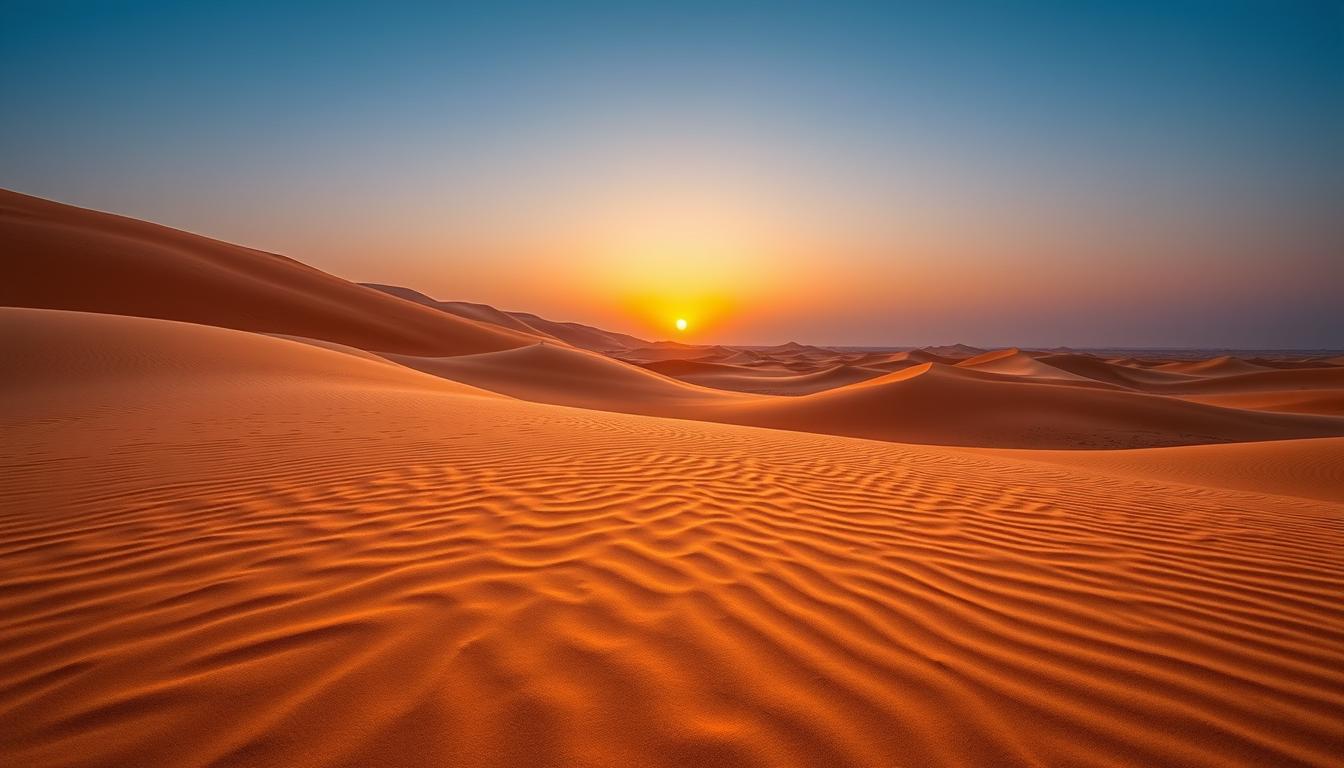
When you step on the sand, it’s very hot. The first ridge shines bright red, making you feel tiny in the history of time. In Ras Al Khaimah, the Red Dunes are not just red; they carry ancient stories whispered by the wind.
Gazing across the UAE’s north, you can see how these dunes connect the coast to the interior. The sand rich in iron, the quiet of the desert, and paths once walked by travelers all come together here. You’re standing in the midst of Ras Al Khaimah’s Famous Red Dunes, on a journey that spans the Arabian Peninsula.
You imagine old caravans traveling from Julfar’s pearling coasts to desert wells, watched over by Dhayah Fort. You can almost see Bedouin tents, smell coffee over fire, and hear poetry under the stars. These sands tell living stories, always shifting, guiding, waiting for you to read them.
As day turns to evening, the light changes from gold to red. You’re not just passing by. You are part of a story where geology, memories, and travel weave together. The Red Dunes show you how nature and heritage shape who we are in the UAE today.
Key Takeaways
- The Red Dunes in Ras Al Khaimah mix amazing geology with vibrant culture in the UAE.
- Iron-rich sands and winds create the dunes’ color and shape across the Arabian Peninsula.
- Historic routes connected Julfar’s coast to inland paths near Dhayah Fort, creating real landmarks.
- Bedouin traditions, hospitality, and poetry still shape the Middle East’s identity.
- The dunes link the past to today, guiding thoughtful travel and a deeper sense of place.
- Your visit creates a connection between science, memories, and Ras Al Khaimah’s story.
Ras Al Khaimah’s Red Dunes: A Gateway to UAE Heritage
As you step onto the Red Dunes, the land whispers its memories to you. The coast and desert come together here, revealing the UAE’s story. Color, wind, and silence tell tales. Historic landmarks like Dhayah Fort, Al Jazirah Al Hamra, and Julfar are close. They link your journey to the heritage that spans the Middle East and Arabian Peninsula.
Why the Red Dunes matter to the Middle East and the Arabian Peninsula
The land’s ridges once guided traders and Bedouins. They connected harbors with inland oases, allowing trade and culture to spread. Here, the UAE’s maritime and desert skills merge, creating paths that shape the Middle East even today.
How color, geology, and climate shape your first impression
The dunes turn deep red at dawn and dusk. The red comes from iron on quartz, made brighter by dry conditions and strong light. The sharp shadows and clean lines are shaped by winds and dry air, making everything stand out.
Connecting tourism, culture, and nature in the UAE
Tours teach you to explore without harm. They encourage respecting nature and sticking to paths. Thus, visits help protect the dunes and celebrate local culture throughout the Middle East and Arabian Peninsula.
Geological Origins of the Red Sands
As you stand on the Red Dunes of Ras Al Khaimah, the first thing you notice is the vivid color. Every speck of sand tells a tale of mountain rock, sea air, and the passing of time. The very ground links natural events to sites now known as Historical Landmarks.
Iron-rich minerals and the science behind the crimson hue
The red color comes from minerals in iron that cling to quartz bits. These minerals, hematite and goethite, wash out from the Hajar Mountains. They paint the sand with iron oxide, turning it from ochre to deep red. Here in Ras Al Khaimah, there’s more iron, so the dunes glow warmly, even at noon.
Walking between dunes, you’ll see the colors change slightly. This happens because moisture helps form a thin crust that traps the colors. So, your footprints stay pressed in the lower areas, while the tops of dunes seem untouched.
Wind patterns, dune formation, and shifting desert landscapes
The shamal winds from the northwest stir the sands, making them jump and roll. This movement builds dunes with smooth, sloping sides that suddenly shift when too much sand piles up. With time, this creates distinct dune shapes and ridges.
Near Ras Al Khaimah, sea winds mix with desert currents, changing how the dunes form. This blend creates various dune shapes next to gravel and salty flats. Rain makes the sand crust over, so your footprints might stay for a while, marking your path.
What makes Ras Al Khaimah’s dunes different from other UAE deserts
These Red Dunes are near the Hajar mountains, so iron-rich dirt renews the sand more here than in inland deserts. Other places in the UAE have lighter sands, but here, iron minerals dominate. This gives the dunes their unique color at dawn and dusk.
The landscape has ridges, valleys, and salt flats, which support tough plants. This variety, along with its Historical Landmarks and sea views, creates unique climates. These conditions paint Ras Al Khaimah’s horizon in shades of red, a living portrait of its geological past.
The History Behind Ras Al Khaimah’s Famous Red Dunes
You stand at the edge of Ras Al Khaimah, observing the wind-sculpted ridges across the Arabian Peninsula. These red sands reveal directions using color, texture, and horizon lines, guiding travelers to markets and wells long ago. Here, history and memory unite.
From ancient trade routes to modern landmarks
Julfar, the historic port of Ras Al Khaimah, connected Indian Ocean sailing with Persian Gulf trade. Caravans followed dune crests to find oases and watchtowers like Dhayah Fort.
Tracing these lines, the desert’s ridgelines act as a map aligning with seasonal routes. Now, heritage trails follow these ancient paths, balancing access with preserving historical landmarks in the Arabian Peninsula.
Tribal movements and Bedouin lifeways across the sands
Bedouin camps moved with the rain, supporting their camels and goats. They set up tents near plants and wells, sharing resources within their communities.
Through stories and songs, elders passed down knowledge of navigating these lands. This tradition helps us appreciate Ras Al Khaimah’s culture, linking its history with the people as much as with the land.
Archaeological findings near historical landmarks in the desert
Teams have found remnants of ancient life near key landmarks, including hearths, pottery, and beads. These discoveries highlight stops for trade, rest, and prayer, connecting the coast with the desert’s heart.
Ras Al Khaimah combines conservation efforts with guided tours and zoning to protect these sites. It provides insight into the Arabian Peninsula’s history while protecting its landmarks on the red sands.
| Route Element | Historical Function | Present-Day Experience | Why It Matters |
|---|---|---|---|
| Dune Ridgelines | Natural compass aligning with prevailing winds for caravan orientation | Guided treks that follow crest lines at safe gradients | Connects navigation science to The History Behind Ras Al Khaimah’s Famous Red Dunes |
| Dhayah Fort | Hilltop defense and lookout over inland approaches | Interpretive stops linking fort views to dune corridors | Ties Historical Landmarks to trade protection across Ras Al Khaimah |
| Interdunal Wells | Seasonal water source for herders and caravans | Mapped heritage sites with controlled access | Shows how Bedouin lifeways adapted to the Arabian Peninsula’s aridity |
| Julfar–Inland Track | Link between port commerce and inland markets | Trail segments with cultural narration | Reveals Ras Al Khaimah as a coastal–desert hub in regional networks |
| Archaeological Scatter Zones | Evidence of resting camps and trade stops | Guided viewing with artifact stewardship | Preserves context while enriching your understanding of Historical Landmarks |
Cultural Narratives and Bedouin Traditions
When you visit the Red Dunes of Ras Al Khaimah, it’s like entering a living history book. You’re welcomed with cardamom coffee and fresh dates, a warm gesture common across the UAE. This region’s dunes influenced how people came together, shared stories, and resolved issues kindly and thoughtfully.
Nabati poetry tells tales of resilience, connections, and the past. It includes stories of battles, rain, and long journeys, all tied to the desert’s landscapes. These poems have a straightforward rhythm but carry profound meanings, showing why they’ve lasted through time.
Learning to navigate involved observing stars, feeling the wind, and studying the sand. You get to learn identifying the North Star, analyzing moonlight on sand peaks, and telling time by the sand’s shape. This skill connected people and places across the UAE and beyond.
Life rhythms were guided by camels. You notice how grazing paths changed with the rain and how gear was adapted for the desert. Falconry, recognized by figures like Hamdan bin Mohammed Al Maktoum and the Emirates Falconers Club, reflects life near the dunes. It respects both the hunting cycles and the birds’ well-being.
Festivals used to align with the seasons and grazing lands. People gathered to share poetry, arrange marriages, and exchange goods under the stars. Nowadays, special events invite you to experience local food, music, henna, and stories. These activities help you see the desert as part of UAE culture, not just a place for thrill-seekers.
Respect is key in every interaction. Always ask before taking pictures of people. Dressing modestly and following camp rules, like taking off shoes and accepting coffee politely, help preserve these traditions. These gestures help ensure cultural exchanges by the Red Dunes remain respectful and meaningful.
Historic Trade, Pearling, and Caravan Pathways
Ras Al Khaimah stitches together the coast and desert. Julfar’s harbor connected to paths across the Arabian Peninsula. The Red Dunes were like signposts, guiding merchants between the sea and sand. These routes now help tourists explore Historical Landmarks.
How coastal commerce linked to inland dunes
By the water, you’d find pearl divers and traders loading dhows with goods. Teams on land were ready to take these goods through the Red Dunes. This made Ras Al Khaimah a major exchange spot, a story alive at its Historical Landmarks today.
Caravan watering points and seasonal navigation
Caravans traveled when it was cooler, guided by the wind. They stopped near wells and ghaf trees for shade and water. At night, they followed the stars; by day, the dunes guided them. These methods secured safe travels and still impact Tourism today.
Red Dunes as waypoints in regional history
The iron-tinted ridges of the dunes were landmarks. They led people to watchtowers, mosques, and coastal inlets, now key Historical Landmarks. Even as pearling faded, these dune paths continued to direct movement. They keep the story of trade alive, linking the shore with the interior.
Wildlife, Flora, and Environmental Stewardship
When you step onto the Red Dunes in the UAE, you find a vibrant world. Hardy plants like ghaf, sidr, saltbush, and desert grasses hold the sands together. Nearby, date palms provide shade and food for birds and insects. This network of green sustains life, guiding our choices towards responsible tourism.
As the day shifts from dusk to dawn, the desert comes alive. At sunrise, you might see gazelle tracks, while at night, sand foxes and jerboas make their marks. Lizards warm themselves, and hedgehogs search for food quietly. Migrating birds find refuge here too, making the dunes a temporary home.
Stewardship starts with small acts. Stick to established paths to protect the land. Keep noise low and leave no trash behind. This respects the home of nocturnal animals and ensures the dunes remain for future visitors. Ras Al Khaimah offers programs to guide these practices.
Joining nature outings lets you see undisturbed wildlife up close. For tips on how to visit responsibly, check out this guide for seeing the dunes and wildlife. It teaches how to explore without harming the environment.
| Habitat Feature | Key Species | Role in Ecosystem | Responsible Action |
|---|---|---|---|
| Crest and slipface of Red Dunes | Arabian sand gazelle, jerboas | Seed dispersal, soil turnover | Walk on firm paths; avoid off-trail driving |
| Vegetated interdunes | Ghaf, sidr, saltbush | Dune stabilization, forage, shade | Do not trample shrubs; keep to marked corridors |
| Rocky outcrops and burrows | Spiny-tailed lizard (dhub), desert hedgehog | Pest control, nutrient cycling | Avoid noise near burrows; observe from distance |
| Oases and palm fringes | Date palms, migratory birds | Rest stops, nesting cover | Minimize light at night; keep camps litter-free |
| Open dune corridors | Sand fox | Predator balance | Reduce speed and headlights after dusk |
By following these simple steps, we all help protect the desert ecosystem in the UAE. This keeps the Red Dunes beautiful and open for exploration, supporting both nature and tourism in harmony.
Tourism Today: Experiencing the Red Dunes Responsibly
When you visit, you become part of a living scene where the Red Dunes and tourism mix in the UAE. Treat each sand ridge with respect, enjoy the quiet, and embrace a slower pace. This prepares you for the Desert Safari.
Desert Safari etiquette and Leave No Trace practices
- Take all trash with you, including food waste and tissues. Choose reusable bottles and seal all small litter.
- Respect the home of wildlife; watch from afar and don’t feed them.
- Listen to your guide and only drive where allowed to keep the soil safe.
- Don’t harm the plants; stick to established paths or hardy ground.
- Avoid making fires, or if you must, use only provided fire pits. Clean up all ashes and leftovers.
- Drink lots of water, protect yourself from the sun, and dress for weather changes.
Best times to visit for sunrise, sunset, and stargazing
The coolest months are the best for experiencing the Red Dunes comfortably. Try to visit during early mornings or late afternoons. That’s when the light makes the dunes’ red colors glow and softens the shadows.
For the best stargazing, pick nights without moonlight and away from city lights. In winter, the skies are clearer. This turns a visit into a silent night under the stars.
Photography tips for capturing the dunes’ red palette
- Take pictures in RAW and slightly reduce exposure to keep bright sand details.
- Be careful with circular polarizers to avoid dark skies; adjust as you move the camera.
- Adjust exposure for both bright ridges and shadowed areas.
- Use side lighting to show texture and allow footprints to provide perspective. Remember to walk only on paths.
- Guide your viewers through your photos with natural lines along the dune crests.
Adventure Activities That Bring History to Life
When you ride the Red Dunes of Ras Al Khaimah, it’s like stepping into a living museum. Each dune’s shape tells a tale of wind, trade, and time. Guided tours turn exploring into learning, mixing desert excitement with history you can touch.
Dune Buggy Tours and the thrill of traversing historic sands
Your guide will explain safety before taking you over the dunes. You’ll learn about the iron-rich sand as you go up and down dunes. They’ll also show you how ancient caravans used landmarks to find their way.
This journey goes along paths that once connected important trade spots. The ride lets you take in the desert’s silent drama up close. It feels like stepping back in time on a Desert Safari.
Quad Biking Tours across shifting ridgelines
Quad biking offers a close look at how the landscape changes. You’ll stop to see how winds shape the dunes and where sand collects. It’s a way to read the desert as travelers once did.
These tours blend adventure with history, showing you the desert’s rhythms. It turns a ride through Ras Al Khaimah into a meaningful experience.
Sandboarding and camel ride experiences with cultural context
Sandboarding teaches you about the science behind it, like how the sand size affects your slide. You learn techniques that respect the desert. Each run shows you how the desert’s look changes with the day.
Camel rides offer a slow, thoughtful look at desert life. They show how the Bedouin used camels for trade and living. Operators who care about the desert will tell you stories and choose routes that don’t harm the dunes.
| Activity | What You Feel | Heritage Insight | Eco Practice |
|---|---|---|---|
| Dune Buggy Tours | Powerful climbs, controlled drops | Historic corridors of Ras Al Khaimah and iron-rich sands | Paced convoys, designated lines |
| Quad Biking Tours | Ridgeline balance, wind-carved paths | Shifting dunes that mirrored old routes | Low-throttle zones near habitats |
| Sandboarding | Glide on fine grains, smooth stop | Slip faces and grain dynamics of Red Dunes | Walk-up returns to reduce erosion |
| Camel Ride | Gentle sway, steady tempo | Bedouin travel methods across trading networks | Short, shaded rests and soft-foot routes |
Plan Your Visit with Desert Buggy Rental Dubai
Want to hit the Red Dunes of Ras Al Khaimah smoothly? Desert Buggy Rental Dubai gets you there quickly and safely, sticking to UAE’s rules. Your adventure contributes to responsible tourism, with a thrilling desert safari experience.
Service Types
- Dune Buggy Tours with expert guides who get you ready before you start.
- Quad Biking Tours designed for all skill levels, exploring the terrains around Ras Al Khaimah.
- Evening Desert Safari offers amazing sunset views and optional extras.
- Morning Desert Safari happens when the air is cooler and the dunes are crisp.
- Desert BBQ Dinner lets you taste local dishes after your adventure.
- Camel Ride takes you through the sands at a leisurely pace.
- Sandboarding lets you slide on slopes shaped by the wind.
Booking Hours
We’re here 24/7 to fit your UAE trip perfectly. Whether you’re up early or active at night, plan your desert safari for the best light for photos and adventure.
Contact
Call +971 52 440 9525 or email [email protected] for group sizes, private tours, or family trips. We offer help in many languages to make planning easy and quick.
Safety, Permits, and Guided Routes
Our certified guides supply helmets and goggles and explain everything clearly. Our vehicles are up to UAE standards. Permits ensure we’re in approved areas, protecting local wildlife and heritage sites.
Pick a sunrise or sunset slot for stunning views of the dunes. Add stargazing or a BBQ to make the experience last longer without any rush.
| Experience | Best For | Timing | Key Inclusions | Location Focus |
|---|---|---|---|---|
| Dune Buggy Tours | Adrenaline seekers | Sunrise/Sunset | Guide, safety gear, route briefing | Ras Al Khaimah Red Dunes |
| Quad Biking Tours | Mixed-skill groups | Morning/Afternoon | Helmet, goggles, graded trails | Open ridgelines near heritage zones |
| Evening Desert Safari | Scenic explorers | Late Afternoon | Photo stops, refreshments | Panoramic UAE vistas |
| Morning Desert Safari | Cooler rides | Early Morning | Light traffic, crisp views | Soft slopes and dune basins |
| Desert BBQ Dinner | Culinary fans | After Sunset | Grilled dishes, seating area | Camp setting near dunes |
| Camel Ride | Cultural immersion | Morning/Evening | Handler guidance, short loops | Traditional tracks |
| Sandboarding | Board sports lovers | Morning | Boards, tips from guide | Fine red slopes |
| Permits & Routes | Compliance and safety | All Day | Protected-area avoidance, mapping | Approved trails in Ras Al Khaimah |
Conclusion
The Red Dunes show a big part of the UAE’s story. The iron in the sand and wind shapes their color and form. The area’s history includes caravan routes, Bedouin life, and coastal trade. Looking at Ras Al Khaimah’s Famous Red Dunes through science and memories, the land tells a rich history.
These dunes are living history markers. You’ll find geology in the red sand, hear tales of pearl diving and trading, and experience Bedouin culture. By going on tours with Desert Buggy Rental Dubai, you explore safely and respect the land which homes desert foxes, ghaf trees, and birds.
When you visit, see the dunes as more than just scenery. They symbolize the UAE’s deep connection with the desert. Traveling responsibly helps protect Ras Al Khaimah’s Famous Red Dunes. It also honors the Arabian Peninsula’s history and keeps these landmarks alive for others to see.
FAQ
Why are Ras Al Khaimah’s Red Dunes famous in the UAE and the Middle East?
The Red Dunes are a big deal in the UAE because they mix natural beauty and cultural stories. Their red sand is full of history and Bedouin traditions. They are near famous places like Dhayah Fort and Julfar, making them a top spot for visitors.
What gives the dunes their distinct red color?
Minerals with iron in them paint the sand grains red. The dry climate and bright sun make the red colors even deeper. You’ll see these reds clearly at sunrise and sunset.
How did ancient trade and pearling connect to the Red Dunes?
Long ago, traders used the dunes to find their way between wells and the coast. The dunes helped them navigate to places like Julfar, famous for pearls and sea trade. The wind patterns helped guide them through the desert to the sea.
What Bedouin customs should you know before a Desert Safari?
Be polite in the majlis, say thank you for coffee and dates, and ask before taking pictures. Wear modest clothes and keep quiet near camps. This shows respect for Bedouin traditions still alive in the dunes.
How are Ras Al Khaimah’s dunes different from other UAE deserts?
These dunes are red because they’re close to the Hajar Mountains, which add iron to the sand. Unlike other UAE deserts, this area also has gravel, salt flats, and green plants and animals.
What wildlife and plants might you see?
Keep an eye out for ghaf and sidr trees, saltbush, and desert grasses. These plants help keep the sand in place. You might also see Arabian sand gazelle, sand fox, and other desert creatures, especially at dawn, dusk, or night.
When is the best time to visit for color and comfort?
Visit during cooler months or at sunrise and sunset for stunning red views and nice weather. For star lovers, winter nights with no moon are perfect for clear sky watching.
What are the top activities to experience the Red Dunes?
Try Dune Buggy Tours, Quad Biking Tours, sandboarding, camel rides, and Evening Desert Safari trips. Good tour operators will tell you about the dunes’ geology, history, and why it’s important to protect them.
How can you reduce your impact on the dune ecosystem?
Stick to Leave No Trace principles: use existing paths, carry out trash, don’t bother animals, and use dim lights at night. Walking where others have walked helps protect the fragile desert floor and plants.
Are there archaeological sites near the Red Dunes?
Yes. Excavations in Ras Al Khaimah have found ancient items, campfires, and items from the Islamic era. Places like Dhayah Fort and Al Jazirah Al Hamra give glimpses into the area’s long history of trade and living by the coast.
What photography tips help capture the dunes’ red palette?
Taking photos in RAW format, adjusting exposures, and maybe underexposing a bit can help keep the colors right. Use side lighting for shadows and a polarizer for the sky. Always be careful not to harm the dunes while taking your shots.
Is the Red Dunes area suitable for families and beginners?
Absolutely. There are Desert Safari options that are perfect for families. They include easier dune drives, music, henna, and traditional food. Guides make sure everyone is safe and having fun.
How do wind patterns shape the dunes?
Winds from the northwest shape the dunes by moving sand in unique ways. These movements create different dune shapes. Changes in the wind and rain can change the landscape, making it fresh again.
What should you wear and bring for a Desert Safari?
Dress in light, comfortable layers and protect yourself from the sun. Bring water, snacks, a jacket for cool evenings, and something to keep your camera clean. Listening to your guide’s advice will help you stay safe.
Can you book 24/7 and arrange hotel pickup?
Yes. Desert Buggy Rental Dubai has round-the-clock booking, clear rules for canceling, and hotel rides. You can arrange visits at sunrise, sunset, or during the evening.
How do permits and safety work on guided routes?
Trusted tour groups get the right permits, make sure vehicles are safe, and give out helmets and goggles. They pick routes that are safe and don’t harm nature or historic spots while still giving great views of the dunes.
What is the contact for Desert Buggy Rental Dubai?
For booking Dune Buggy Tours, Quad Biking Tours, and other activities, call +971 52 440 9525 or email [email protected]. They can help you enjoy Ras Al Khaimah’s Red Dunes to the fullest.
How do the Red Dunes fit into Ras Al Khaimah’s historical landmarks?
The Red Dunes are part of a route that includes Dhayah Fort, Al Jazirah Al Hamra, and Julfar. Visiting these places together shows how nature and the UAE’s cultural stories are connected.
Categories
- Uncategorized (4)
- Desert Buggy Rental (2,089)
- Dune buggy (4)
- Quad Bike Rental (1)
- Desert safari (1)
- Hot air ballon (2)
- dirt bike (4)
Recent Post



Tags
African Safari Arabian Gulf day tours ATV passengers Best Areas to Stay in Dubai Best desert Safari tours Best shoes for sand dunes Best ziplines in Dubai Camel Ride Prices Dubai Danakil Depression adventure Desert Safari outfit guide Douz Desert Tours Dubai Extreme Sports Dubai Foodie Adventures Dubai Outdoor Activities Dubai safari rules Dubai Tour Packages Emergency Protocols Extreme Sports in Baja California Family-Friendly Attractions First-time visitors Dubai Flying in the morning Historical Sites Dubai Hot Air Balloon Elevation Hot air balloon temperature Hot air balloon temperatures Jordan desert excursions Night operations of hot air balloons Off-road braking techniques Outdoor Activities in Atacama Outdoor Recreation Protective clothing for quad biking Protective gear for quad riding Quad bike speed tests Quad bike tours Quad bike vs ATV Quad Biking Escapades Quad biking regulations in Dubai rent buggy dubai Renting a car in Dubai Sahara Quad Tours Simpson Desert Quad Biking Top months for hot air balloon tours UAE desert night heat Urban walking experience Women's dresses for hot air balloon ride