

- 199 Views
- 25 Min Read
- (0) Comment
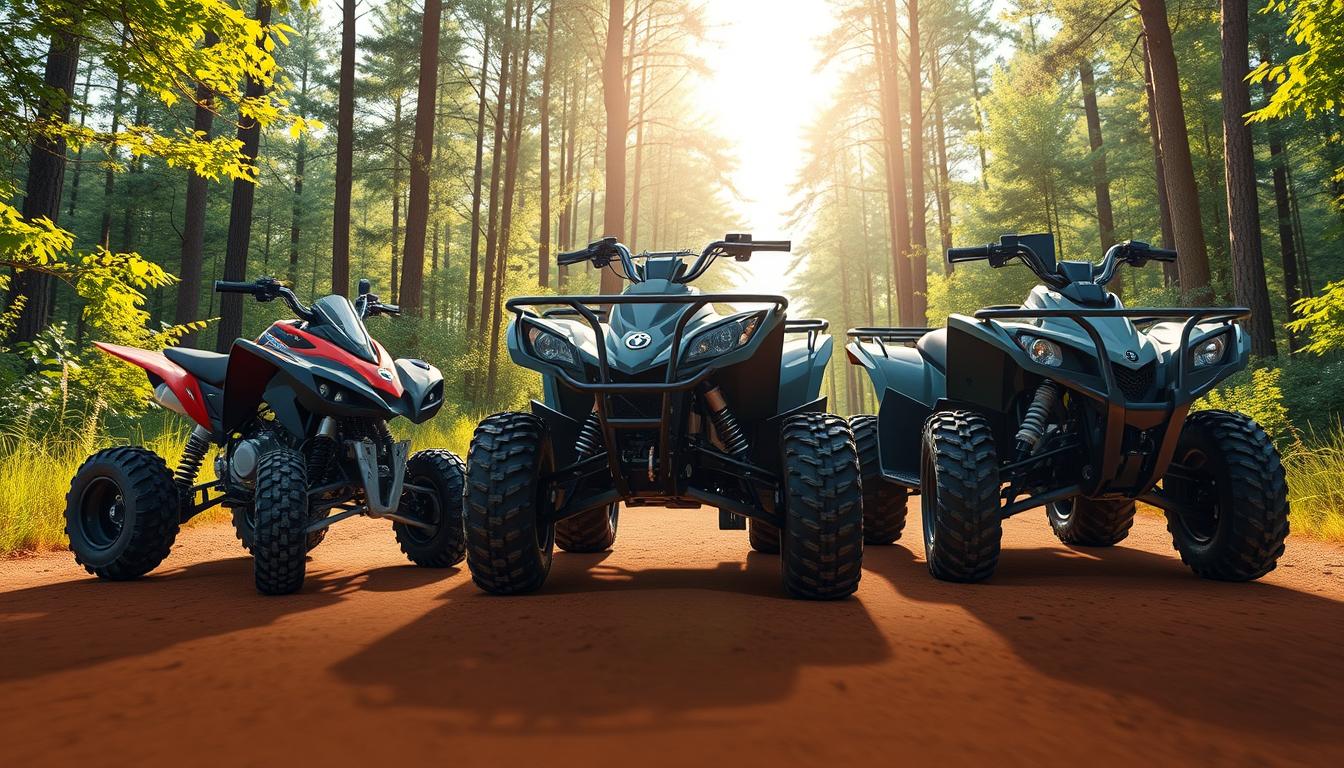
Before the engine starts, you sense the excitement of an early morning at Al Qudra. The cool sand touches your boots and your heart races. Choosing the right quad bike, be it 90cc, 250cc, or 350cc, goes beyond just specs. It’s about your riding style, who you ride with, and the challenges of the desert.
This guide takes you through the deserts of Dubai, Abu Dhabi’s long stretches, and Sharjah’s smooth flats. You’ll learn how different engine sizes affect your ride. From throttle response in the sand to how well the bike holds up under the desert sun, we’ve got you covered. This clear comparison will help you understand each engine’s performance for a smarter, safer ride.
Whether you’re looking for a beginner’s ride, a step-up for weekend fun, or power for big challenges, we compare 90cc, 250cc, and 350cc quad bikes. By the end, you’ll find your best match in the unique landscapes and climates of the UAE.
Key Takeaways
- You’ll learn How to Choose the Right Quad Bike: 90cc vs 250cc vs 350cc for Dubai’s dunes and UAE conditions.
- This quad bike guide connects engine size to real sand behavior: power, control, comfort, and safety.
- A clear quad bike engine comparison translates torque, power-to-weight, and throttle feel into everyday riding.
- 90cc vs 250cc vs 350cc quad bikes serve different riders—from beginners to experienced dune climbers.
- UAE factors like heat, fine sand, and varied dune heights shape the best choice for you.
- You’ll get practical tips for testing bikes and building skills before stepping up in engine size.
Quad Bike Guide for UAE Riders: Terrain, Weather, and Laws
The UAE offers a unique blend of dunes, high temperatures, and strict safety laws. This guide will help you pick the perfect quad bike for Dubai and surrounding areas. It considers the right engine size, terrain, and local regulations.
Desert terrain considerations in Dubai and the UAE
Areas like Al Badayer, Al Faqa, and Liwa are full of soft, silica-rich sand. This sand makes riding tough but choosing the right tire pressure (8–12 psi) and tread can help a lot.
When facing long slopes, maintaining a steady speed and using the engine’s power properly is key. This guide will show you how to align your riding style with the desert’s demands, ensuring you pick the best quad bike for the adventure.
Heat, sand, and maintenance implications
Summer temperatures can soar above 40°C, putting a strain on your quad bike’s engine and cooling system. Dust getting into the engine or other parts means choosing high-quality air filters and cleaning your bike often is crucial.
Always check your coolant levels before heading out and opt for synthetic oil that can handle the heat. Protecting your bike from the harsh desert sand with proper maintenance is essential to enjoying your ride, no matter the quad bike’s engine size.
Riding age, licensing, and safety rules in the UAE
Children need ATVs that fit their age, with 90cc models often being a good start under adult watch. It’s important to wear helmets, gloves, boots, and eye protection for safety.
In the UAE, commercial quad bike tours offer safety instructions and equipment. Listening to their advice is key when choosing the right quad bike and engine size for your experience level.
Where you can ride legally and responsibly
Riding is allowed only in specific off-road zones and on guided tours, not on public roads. Make sure to follow signs and stay out of restricted areas to protect the environment for everyone.
Working with licensed companies such as Desert Buggy Rental Dubai enhances both safety and access to legal riding areas. Their advice is an important part of this guide, helping you select the right quad bike and engine size for the desert.
How to Choose the Right Quad Bike: 90cc vs 250cc vs 350cc
Choosing the right quad bike is about matching power with skills and the dunes you plan to conquer. Compare engine sizes like 90cc, 250cc, and 350cc. Consider throttle feel, and the terrain you want to explore. This keeps you safe and ready for the UAE sands.
Who a 90cc quad bike suits best
A 90cc bike is perfect for beginners or teaching young riders. It’s easy to handle, with enough power to learn without stress. The low seat and light frame make it ideal for flat or mild terrains. Practice safely in controlled areas to get good at using the throttle and brakes.
When deciding between the 90cc, 250cc, and 350cc, start small. Then move up as you get better. For more on choosing the right quad, see this guide.
When a 250cc engine size makes sense
A 250cc is great for adult beginners and those a bit more skilled. It offers more power without being too tough to manage. This balance is perfect for moderate dunes, climbs, and trails. It’s good for longer rides, mixing power, stability, and efficient fuel use.
This option helps you learn steadily. You’ll get better at starting on hills without the challenge of a bigger engine.
Why 350cc is ideal for dunes and experienced riders
A 350cc provides strong power for tough terrain like steep dunes and heavy sand. It keeps its speed up on climbs and is great for advanced techniques. Experienced riders will appreciate the extra power and control.
If you’re aiming for harder trails and faster rides, the 350cc has the power to keep you moving. It helps stay in control even on difficult terrains.
Performance, control, and comfort trade-offs
Moving up from a 90cc to a 250cc or 350cc, you get more power but the bike is heavier. It needs smoother handling to avoid trouble. This means you have to focus more on how you ride.
As you go faster, comfort is key. Look for bikes with adjustable features and comfy seats, especially on 250–350cc models. Start with the smallest engine you need, then go bigger as you get better. Keep this guide in mind when choosing your quad bike.
Comparing Quad Bike Engine Sizes: Power, Torque, and Speed
Riding on shifting sand is not like riding on firm roads. That’s why looking at different quad bike engine sizes is key in the UAE. Checking out how 90cc, 250cc, and 350cc engines act on deep dunes and in high heat is helpful.
Your aim is steady momentum, clean throttle control, and enough torque to keep the tires floating. With this goal, you should think about the engine’s power, how it delivers torque, and how it responds instead of just how fast it can go.
Power-to-weight ratios in soft sand
Soft sand challenges engines with low power-to-weight ratios. A 90cc might bog down on tall dune faces because it’s light but weak. A 250cc is a middle ground, powerful enough for gentle climbs and moving through dunes. A 350cc offers more power against weight, which helps pick up speed quicker after slowing down and keeps you moving steadily over the sand.
When choosing a quad bike engine size, think about how well the engine and you can push through the sand. Comparing 90cc, 250cc, and 350cc shows how much you can do before the dunes slow you down.
Torque curves for dune climbing
Having torque available early and broadly helps on dune faces. Many 250–350cc engines, including those cooled by liquid from Yamaha and Honda, give good power at low to mid revs. This helps you ride smoothly and keep from getting stuck.
In comparing engines, a 90cc’s power comes in a smaller range, needing more speed before climbing. A 350cc feels easier to control, making it simpler to go over dunes without losing traction.
Top speed vs throttle responsiveness
In the dunes, how fast a quad bike can go doesn’t matter as much. What’s important is how quickly it responds at the start and in the middle of its speed range. A responsive 250cc or 350cc allows for careful control during difficult moves, like riding on steep edges or through tricky paths.
With bigger engines, you get more precise control. This helps with steering and balancing, especially when the sand becomes loose in the heat.
Fuel efficiency and range in desert conditions
Soft sand makes engines work harder, using more fuel. A 90cc is fuel-efficient for short rides but might not handle big dunes well. A 250cc is good for longer rides if you stay in the right power range. With a 350cc, you might need to plan for fuel stops on extended trips, especially when climbing a lot.
When looking at different engine sizes, remember to check how much fuel they need and how far you’re planning to go. Also, carry water and take breaks to cool down the engine during hot weather.
| Engine Size | Power-to-Weight in Soft Sand | Torque Character | Throttle Feel | Typical Top Speed (km/h) | Real-World Range in Dunes | Best Use Case |
|---|---|---|---|---|---|---|
| 90cc | Limited on tall faces; momentum fades quickly | Narrow band; needs run-up | Gentle but slow to recover | 45–55 | High economy; short loops favored | Beginner flats, hard-packed trails |
| 250cc | Balanced for casual climbs and bowls | Usable from low to mid RPM | Crisp and predictable | 70–85 | Moderate; good for half-day rides | Mixed terrain, light-to-medium dunes |
| 350cc | Strong; sustains speed on steep sections | Broad, early pull with quick recovery | Sharp, precise in mid-range | 85–100 | Lower than 250cc; plan fuel breaks | Large dunes, experienced riders |
Best Quad Bike Engine Size for Your Skill Level
Choosing the right quad bike setup is key. It must match your skills and the dunes of Dubai. This guide eliminates the guesswork in picking the best engine size. You’ll find safety, control, and fun.
Beginners and younger riders: 90cc recommendations
Starting with a 90cc quad is safest for new riders. It should have an electric start, adjustable throttle limiters, and a tether kill switch. These features make learning easier and safer.
Opt for a model with a low seat, wide stance, and easy controls. Practice important skills like starting, stopping, and turning on flat sand. Gradually move to small dunes. This method builds confidence in your bike selection.
Intermediate riders and light dunes: 250cc picks
If your skills are growing, a 250cc quad is ideal for light dunes. Ensure it has good cooling and a stable wider track. The right tires will keep you above soft sand.
Seek out a quad with smooth power and reliable brakes. This combo is perfect for those ready to step up their game. It keeps you in control on shifting terrain.
Experienced dune riders: 350cc considerations
For tackling high dunes, consider a 350cc quad. Choose one with strong suspension and skid plates, plus good air filtration. These features are crucial for challenging terrains.
Power should be consistent for steep climbs and side-hilling. The right 350cc quad offers power without sacrificing throttle control. It’s all about managing powerful climbs while staying precise.
How to progress safely between engine sizes
To safely move up in engine size, master key skills first. This includes steady throttle use and braking on slopes. Try a lesson with a pro and test ride on similar terrains before buying.
As you go faster, upgrade your protective gear. Adjust tire pressure and suspension for bigger, more powerful bikes. This careful approach helps you choose the right quad bike at every stage.
| Rider Level | Recommended Engine | Key Features | Terrain Fit | Control Focus |
|---|---|---|---|---|
| Beginner / Younger | 90cc | Electric start, throttle limiter, tether kill switch, low seat | Flat sand, training areas, small dunes | Smooth starts, gentle turns, basic braking |
| Intermediate | 250cc | Wider track, effective cooling, sand-flotation tires | Light dunes, mixed sand, gradual climbs | Progressive power, predictable brakes, line choice |
| Experienced | 350cc | Adjustable suspension, reinforced skid plates, performance filtration | High dunes, steep faces, side-hilling | Tractable torque, throttle precision, stability at speed |
Quad Bike Buying Tips: Features That Matter in the Desert
When riding in the heat, soft sand, and steep bowls, make sure your quad bike fits the conditions. Use these tips to choose the right quad bike for Dubai and Abu Dhabi’s dunes. A quick look at different quad bike engines will help you decide on the best features.
Suspension, tires, and ground clearance
Long-travel suspension makes rough paths smoother. On 250–350cc bikes, adjustable suspension helps you tune the bike’s response to sand. Yamaha, Honda, and Can-Am have tunable shocks on their better models.
Paddle-style tires work best in sand, providing grip and float. Adjust tire pressure between 8–12 psi for different conditions. High ground clearance prevents your bike from dragging on the sand; add skid plates to protect the underside on sharp rises.
Cooling systems and air filtration for sand
Liquid cooling is superior in the desert’s hot climate. Pick a bike with a well-shielded radiator and a reliable fan to maintain steady airflow, especially during slow climbs. This tip is crucial for both 250cc and 350cc quads.
Choose dual-stage foam filters or ones with pre-filter covers to block fine dust. Always have extra filters for long rides and change them when needed. These strategies protect your engine’s power and longevity.
Brakes, ergonomics, and rider comfort
Strong hydraulic disc brakes are key for controlling speed on steep hills. Check how the brakes feel at different speeds. If braking performance drops after long use, consider upgrading to steel-braided lines.
Make sure the bike’s shape suits you: check handlebar height, lever reach, and seat design. Add handguards and vibration damping to reduce strain during bumpy rides. These elements are important for comfort on long outings.
Reliability, parts availability, and service intervals
Choose brands with strong support in the UAE, ensuring easy access to essential parts. Yamaha, Honda, Polaris, and Can-Am are reputable brands with consistent supply chains.
Increase maintenance frequency in the desert, paying special attention to the air filter and oil. Always carry a toolkit, a tow strap, and an air pump in your support vehicle. Keep these tips and engine features in mind when picking your quad bike for the desert.
Safety Gear and Training Before You Ride
Getting ready in the right way makes your ride both further and safer. This guide for quad bikes gives you steps to start right away. It works whether you’re hitting dunes near Dubai or embarking on long treks in the Empty Quarter. Plus, it aids in picking both the perfect quad bike and the ideal engine size for your skills and the landscape.
Essential protective gear for the dunes
Put on a helmet that’s either DOT- or ECE-certified, along with impact-rated goggles, full-finger gloves, and boots that cover your ankles. Don’t forget to wear long sleeves and add knee and elbow protection. A chest or back protector can save you from roost and rollovers.
If you plan to ride for a while, carry a hydration backpack. Wear moisture-wicking base layers. Bright clothes or a high-viz vest make it easier for other riders to see you in the dust.
Pre-ride checks and basic controls
Before riding, check your tire pressure is right for sand. Also, look at your chain or belt tension and how firm the brakes feel. Don’t forget to check the coolant and oil levels, throttle free play, and the kill switch.
Bring a compact recovery strap, a small shovel, a tire gauge, and a first-aid kit with you. Also, remember to check how far you can go on your fuel, depending on your quad bike’s engine size.
Riding techniques for soft sand and slopes
Maintain a steady throttle to keep momentum; sudden stops can make you stuck. Lean back when you go up and lean forward when going down. Keep your weight on the uphill side when crossing slopes and avoid sharp turns on slippery faces.
Always stop on level ground to prevent tire sinking. If stuck, a gentle rocking and digging in front of the tires is better than forcing it.
Group riding etiquette and emergency prep
Keep a good distance to avoid dust, use clear hand signs or helmet talkies, and decide on a lead and sweep rider. Choose visible spots or landmarks to meet up again.
Trade GPS locations before you head out and make sure your phones or radios have full batteries. In a pinch, one rider should control traffic while the rest give a hand. These tips are key in picking the right quad bike and engine size for your journey and team.
Test Before You Buy: Try 90cc vs 250cc vs 350cc Quad Bikes in Dubai
Riding first helps you make a smart choice. Testing on soft dunes highlights the differences between 90cc, 250cc, and 350cc quad bikes. You’ll understand better what to pick based on your skills, size, and goals after trying different engine sizes.
What to look for during a test ride
- Throttle smoothness and predictable pull from idle.
- Clutch or CVT engagement without jerk or lag.
- Braking bite and modulation on sand and hardpack.
- Steering effort at low speed and while carving across a slope.
- Suspension compliance over chop and whoops.
- Heat management after repeated climbs and stops.
Take notes after each test ride. This will help you when you’re comparing the different engine sizes later.
How different engine sizes feel on dunes
A 90cc quad needs early throttle and smart line choices. It can take on small ridges but relies on momentum and clean riding.
The 250cc quad tackles moderate dunes easier. It offers more torque, helping you correct mistakes without losing power.
With a 350cc quad, you can tackle bigger dunes and recover quicker from mistakes. Its extra power helps you adjust and drive through soft spots.
Test all three quads in the same sand conditions. This way, you’ll know which quad suits your riding style the best.
Evaluating comfort, control, and confidence
- Seat comfort, bar reach, and peg height for your build.
- Vibration at cruise and how quickly you fatigue.
- Side-hilling stability and low-speed tractability.
- Brake feel on descents and at the lip of a dune.
When choosing a quad, think about how confident you feel, not just the speed. Confidence is key to selecting the right quad.
Booking a guided experience in real desert terrain
Try different quads in Dubai’s desert with a guide. This way, you can fairly compare them in the same conditions.
Book a day with Desert Buggy Rental Dubai for back-to-back test rides suited to your skill level. Call +971 52 440 9525 or email [email protected] to schedule. They’ll help you pick the right quad bike with expert advice.
Why Choose Desert Buggy Rental Dubai for Quad Biking Tours
Are you looking for real dunes and professional guidance? That’s what you get with Desert Buggy Rental Dubai. Here, you can compare different engine sizes on soft sand. Plus, get tips that fit your riding level. You’ll learn how to pick the best quad bike before spending any money.
Service types: Dune Buggy Tours and Quad Biking Tours
Choose guided quad biking to try out engines like 90cc, 250cc, and 350cc on rolling dunes. Or, you might prefer buggies with single or shared seats and strong roll cages. This experience lets you feel the quad bike’s throttle response, braking, and comfort. And you get real-life buying advice, much better than just reading brochures.
Evening Desert Safari, Morning Desert Safari, and Desert BBQ Dinner
Try a Morning Desert Safari when the sand is firmer and controlling the quad bike is easier. Or choose an Evening Desert Safari. It offers beautiful sunset light and ends with a Desert BBQ Dinner. During these times, you can see how well you can see and control the quad bike. These are essential when picking the right quad bike for Dubai’s deserts.
Camel Ride and sandboarding add-ons
Combine tradition and excitement in one go. Riding a camel offers a slow pace perfect for taking pictures and enjoying the scenery. Sandboarding, on the other hand, adds speed and excitement to your day. This combination is excellent for testing your balance and learning about the terrain before deciding on a quad bike engine size.
24-hour booking: +971 52 440 9525 | [email protected]
You can book your adventure at any time. The team will confirm if there’s space for you, suggest the best routes, and even offer tips specifically for your body size and confidence level. Plus, they provide advice on choosing the right quad bike for different terrains.
Expert guides, safety-first approach, and tailored recommendations
Our certified guides will give you a full briefing and adjust the tire pressure for the day’s conditions. They’ll choose routes that match how well you can drive. Their feedback is invaluable, helping you understand your test drives better. You’ll end up with clear advice on which quad bike engine suits your skills best.
| Experience Option | Best For | What You’ll Evaluate | Outcome for Buyers |
|---|---|---|---|
| Guided Quad Biking | Hands-on riders comparing 90cc, 250cc, 350cc | Throttle feel, torque on climbs, braking on descents | Actionable quad bike buying tips based on real dune runs |
| Dune Buggy Tours | Shared or solo seats with extra stability | Control at speed, comfort over chop, visibility | Clear sense of power needs before choosing a quad |
| Morning Desert Safari | Cooler temps, firmer sand | Grip, responsiveness, low-heat performance | Guideposts on how to select the right quad bike for daily rides |
| Evening Safari + Desert BBQ Dinner | Golden-hour views and relaxed finish | Light conditions, fatigue management, night readiness | Balanced insights for comfort-focused buying decisions |
| Camel Ride & Sandboarding | Tradition plus adrenaline | Balance, terrain reading, body positioning | Refined quad bike guide perspective beyond engine specs |
| 24-Hour Booking Support | Flexible schedules, quick confirmations | Route planning, gear fitting, size advice | Streamlined plan on how to select the right quad bike |
Conclusion
When picking a quad bike in the UAE, think desert. You need the right mix of power, cooling, and control because of the heat, soft sand, and big dunes. For beginners and teens, a 90cc quad bike is good on easy terrain. A 250cc is better for light to moderate dunes, offering calm control. For those who are more confident, a 350cc provides strong torque and speed for climbing tall dunes.
Choose a quad bike that can handle the desert. Look for good air filters, cooling systems, tires for sand, and strong suspension. Make sure the brakes are reliable and the bike feels comfortable to ride for a long time. Also, think about how far it can go on fuel, how often it needs maintenance, and how easy it is to find parts in the UAE.
It’s smart to test different quad bikes on real dunes before buying. This lets you feel the power, how easy it is to control, and how well it moves on uneven ground. Test rides help you pick the best engine size for your skills and where you want to ride, not just based on specs.
If you need help choosing, Desert Buggy Rental Dubai can help. They let you test different bikes, give advice, and provide all the safety gear you need, day or night. By booking a session, you can try out 90cc, 250cc, and 350cc bikes. With expert advice and firsthand experience, you’ll be able to choose the right quad bike for the UAE’s desert.
FAQ
What’s the main difference between 90cc vs 250cc vs 350cc quad bikes in Dubai’s dunes?
A 90cc quad is perfect for beginners, offering gentle power for flat or slight sand. A 250cc is great for those ready for a bit more, handling small to medium dunes well. For the big, steep dunes, a 350cc has the power you need.
In Dubai’s fine sand, how much torque you have and how quickly you can go matter more than your top speed.
Which engine size is best for my skill level?
If you’re just starting or are younger, go for the 90cc for its ease and low seat. A 250cc is good for adult beginners and intermediates. It’s safe for light to moderate dunes. Choose a 350cc if you’re experienced and ready for big climbs, like Big Red or Liwa.
How does soft sand affect power-to-weight and traction?
Soft sand makes it tougher to move, so quads that are powerful for their weight do better. Keep your tire pressure low, around 8–12 psi, for the best float and grip. Also, choose the right tires and keep moving to avoid getting stuck.
Is throttle response more important than top speed in the desert?
Yes, it is. Being able to control your speed smoothly helps a lot when climbing dunes. A quick-to-respond 250cc or 350cc is much easier to handle than a slow 90cc that needs a head start.
What maintenance steps should I follow in UAE heat and dust?
Use good synthetic oil because of the heat and always check your coolant before riding. Get air filters that can handle a lot of dust and clean them often. Also, keep your drivetrain well-lubricated. Sand makes everything wear out faster, so be prepared for that.
What tire pressure works best in Dubai’s soft sand?
Start with your tire pressure between 8 and 12 psi, depending on how much you weigh and how much you’re carrying. Lower pressure means better grip and float, but watch out for rim damage. Always inflate again before riding on hard surfaces or carrying your quad.
Do I need a license to ride a quad bike in the UAE?
Make sure to ride only where it’s allowed, not on public roads. Kids should use ATVs that fit their age and always have an adult watching. Wearing helmets and other safety gear is very important, and if you’re with a company, they’ll show you how to stay safe.
Where can I ride legally and responsibly around Dubai?
Stick to places meant for riding, like Al Badayer (Big Red), Al Faqa, and routes near Liwa. Don’t ride in protected areas and follow all signs. Going with a licensed group means you’re riding right and getting help if you need it.
What features matter most for desert use?
Look for quads with strong cooling systems, air filters that can handle sand, and tires made for the desert. You’ll want a soft ride and adjustable shocks. Skid plates protect your quad. Also, being comfortable and having good brakes help with long rides on dunes.
How do 90cc vs 250cc vs 350cc quads compare on fuel efficiency and range?
A 90cc quad doesn’t use much gas but isn’t great for big dunes. A 250cc has a good balance, suitable for short to medium rides. A 350cc drinks more fuel, especially in soft sand, so plan for gas stops. Always take water and maybe extra fuel if you’re going far.
What safety gear should I wear in the dunes?
Wear a helmet that meets DOT or ECE standards, goggles, gloves, boots that cover your ankles, and long-sleeved shirts. Also wear knee or elbow pads. For long rides, add protection for your chest and back, and carry water to stay hydrated.
How can I progress safely from 90cc to 250cc to 350cc?
First, get good at controlling your speed, braking downhill, and getting unstuck. Take lessons, try bikes in similar conditions, and adjust your bike’s settings for its weight and power.
What pre-ride checks should I do before heading into the dunes?
Check your tire pressure, make sure your chains or belts are tight, and that your brakes work well. Look at your coolant and oil levels, check the play in your throttle, and test the kill switch. Bring stuff for getting unstuck, a strap, an inflator, and a first-aid kit.
What riding techniques help on soft sand and slopes?
Keep your speed steady, lean back when going up, and lean forward when coming down. When you’re crossing slopes, lean into the hill. Always stop on flat ground to avoid getting stuck.
Which brands offer reliable 250–350cc models with UAE parts support?
Yamaha, Honda, and Suzuki offer reliable quads and good support worldwide. Make sure local dealers have what you need like filters, chains or belts, and brake parts. This helps keep your quad in top shape without waiting long.
How do I test the right quad bike engine size before buying?
During a test, see if the throttle feels right, how the clutch or CVT works, and if the brakes are strong. Check how it steers, how it rides over rough spots, and what it’s like after lots of climbs. Try different sizes to see which works best on steep turns and hills.
Can I book a guided comparison of 90cc vs 250cc vs 350cc quad bikes in real dunes?
Yes, Desert Buggy Rental Dubai can set up test rides and tours in real dunes with an expert to help. Call them any time at +971 52 440 9525 or email [email protected]. They’ll match the tour to how well you ride and what you want to achieve.
What are the benefits of riding with Desert Buggy Rental Dubai?
They have guides trained to keep you safe, make sure your tires are right for the sand, and pick routes that match your skills. They also give advice on choosing the right quad for Dubai’s deserts.
What add-ons can I include with a quad biking tour?
You can add sandboarding or a camel ride to your quad biking. Choose a morning safari to beat the heat or an evening one for beautiful sunset views and maybe a BBQ dinner in the desert.
What’s the best quad bike engine size for mixed terrain in the UAE?
For terrains with small dunes and sandy paths, a 250cc is ideal for balance and good fuel use. A 350cc provides the power for bigger dunes but is still easy to control for those with experience.
Any quick quad bike buying tips for UAE conditions?
Match the engine size with your skill and the sand, ensure local part support, pick tires ready for sand, and make sure it stays cool and clean. Look for adjustable suspension and test for comfort to keep tiredness down on long rides.
Categories
- Uncategorized (4)
- Desert Buggy Rental (2,089)
- Dune buggy (4)
- Quad Bike Rental (1)
- Desert safari (1)
- Hot air ballon (2)
- dirt bike (4)
Recent Post

Tags
350cc quad bike Arabian camel safari Arabian desert experiences Artistic expression Best ATV trails in Dubai Best quad biking tours in Dubai Buggy Trail Can-Am vehicles City tour photography Climbing hills on bike Desert quad adventure Desert Quad Biking Dubai Desert Quad Biking Experience Desert quad biking tours Double seater quad bikes Dubai dune buggy experiences Dubai Tourism Experiences Dubai water sports Exciting Buggy Rides Extreme Adventure in Dubai Fossil Rock Desert Safari Hatta Wadi Hub How old for Dubai buggy tours IMG World ticket prices Kids Adventure Dubai Luxury vehicle rental Dubai Nighttime Desert Exploration Off-road buggy vehicles Off-Road Driving Experience Off-Roading Fun Off-road team-building experiences Off-road vehicle prices Outdoor recreational options in Dubai Pros and cons Quad Biking Safari in Sharjah Sandboarding for kids Sharjah desert camping Sharjah Extreme Sports Sharjah family tours Sharjah Heritage Sharjah Off-road Vehicles Sharjah tourism experiences Sharjah Travel Stay Near Desert Safari Sites Waterproof Phone Cases