

- 370 Views
- 27 Min Read
- (0) Comment
You feel it first—the hush before sunrise over Dubai’s dunes, the breeze cool on your skin. You stand there, between the quiet dunes, wondering. Which quad bike suits you best: a quick 150cc, a steady 250cc, or a strong 350cc? A good guide helps you decide, turning hesitation into confidence, making each sandy stretch enjoyable.
In the UAE, riders face soft sand, steep hills, and hot days. When planning adventures near Al Badayer or around Abu Dhabi, you need insight. It’s not just about the bike’s specs. It’s about understanding how engine size affects performance, from speed to handling. You aim to match the bike to your abilities, your health, and what you want to do—be it long tours, improving your skills, or quick races.
This guide helps you pick the right quad bike by offering clear, practical tips. You’ll learn how the size of the engine impacts how the bike responds, climbs dunes, and the cost of keeping it. It also explains why having a license, wearing the right safety gear, and testing the bike in Dubai are key to a good choice.
Imagine tackling Big Red for the first time: You control the throttle gently, stay focused, and keep looking ahead. With the perfect setup, reaching the top feels like an achievement, not luck. That’s what a detailed guide offers—confidence in your choice and pride in your rides.
Key Takeaways
- Match engine size to your skill and goals: 150cc for ease, 250cc for balance, 350cc for advanced dunes.
- UAE sand, heat, and long climbs make torque, cooling, and suspension setup critical.
- Understand quad bike engine displacement differences to predict power, traction, and control.
- Choose safety first: certified helmets, armor, and licensed operators in Dubai and Abu Dhabi.
- Test ride before buying to feel throttle response and stability on real dunes.
- Plan for ownership costs: fuel, maintenance, and parts suited for desert conditions.
Choosing a Quad Bike in the UAE: Terrain, Regulations, and Your Riding Goals
In the UAE, you’ll find hot weather, dunes, and strict rules. Having a plan is key. A focused guide helps you pick a quad bike that suits the land, the law, and your dreams. Think about the engine size to get the right mix of control and power.
Understanding UAE desert terrain and dune conditions
Al Badayer, Al Faya, and Liwa are full of soft sand that changes. The sand’s high silica makes it hard to keep moving fast without the right tires and power. In the morning, sand is more packed, but it loosens up with the midday heat.
Letting some air out of your tires gives you a better grip on shifting sands. Keep your speed steady to stay on top of the sand. Whether you want fun rides or big adventures influences the engine power you should choose.
Licensing, age limits, and safety regulations you should know
You need to register and get a license for public roads, but different rules apply for fun zones and tours. Operators often have an age limit, starting at 16 for less powerful ATVs. They also make sure you have a helmet and know safety rules.
Don’t forget about eye protection, gloves, and staying hydrated in the desert. Looking at a good guide and understanding the safety requirements helps you pick the right quad without any trouble.
Clarifying your goals: recreation, touring, or skill progression
Think about what you want: simple fun, long tours, or improving your riding on tough terrain. Casual riders look for easy handling and affordability. Those into touring seek bikes that are dependable, have good fuel capacity, and are comfy.
If you’re looking to grow your skills, adjustable features and power that can keep up with you are important. For more on starting with an easy-to-handle bike and moving up, check this quad bike engine size comparison. Setting clear goals makes choosing the right quad bike and following a buying guide easier.
How to Choose the Right Quad Bike: 150cc vs 250cc vs 350cc
In the UAE, you have many choices, but finding the right balance is key. Use a comparison of quad bike performance to match your skills, weight, and the paths you’ll take. This guide offers a clear look at different quad bike engine sizes. It helps you ride confidently on the sands, from Al Faya to Liwa.
Quick comparison of engine displacement and power output
A typical 150cc quad generates about 10–13 horsepower and has enough torque for easy terrains. They’re great for flat areas or small hills. Moving to a 250cc, you’ll get 18–25 horsepower. This extra power is perfect for more challenging landscapes.
Then there’s the 350cc quad, hitting around 25–30+ horsepower with even more torque. This means you can maintain speed up long slopes or when the trail gets tough. Check out the comparison below for a detailed look at each engine size.
| Engine Size | Typical Power (hp) | Torque Feel | Best Terrain Fit | Rider Profile |
|---|---|---|---|---|
| 150cc | 10–13 | Mild, smooth | Flat sand, small dunes | New riders, lighter riders |
| 250cc | 18–25 | Stronger midrange | Mixed sand, moderate climbs | Skilled beginners to intermediates |
| 350cc | 25–30+ | High torque | Long climbs, soft midday sand | Confident, experienced riders |
Who each engine size suits best in real-world UAE scenarios
Start with a 150cc if you’re new to riding or prefer smaller dunes around Dubai. It’s light and easy for practice runs.
The 250cc is your go-to for UAE adventures. It’s great for various terrains and can manage moderate climbs at places like Al Faya and Big Red. It’s good for teens, but be sure to check 250cc quad age recommendations and get the right training.
Opt for a 350cc if you’re up for challenging long climbs in Liwa, riding on soft sand during the heat of the day, or if you need to carry extra gear. Some models are made for two people; just make sure it fits local rules before you head out.
Budget, maintenance, and total cost of ownership factors
The 150cc quads are cheaper to buy and easy on fuel. Their parts, like tires, pads, and chains, are less expensive. This makes them longer-lasting in desert conditions.
The 250cc models are mid-priced with widely available parts from brands like Yamaha, Honda, and Polaris. Their fuel use and maintenance costs are reasonable for weekend trips.
Owning a 350cc quad costs more. It uses more fuel and parts wear out quicker, needing frequent checks. Desert riding requires constant air filter cleanings. Keep these in mind when deciding on the right quad bike.
150cc Quad Bike Overview: Ideal Uses, Pros, and Considerations
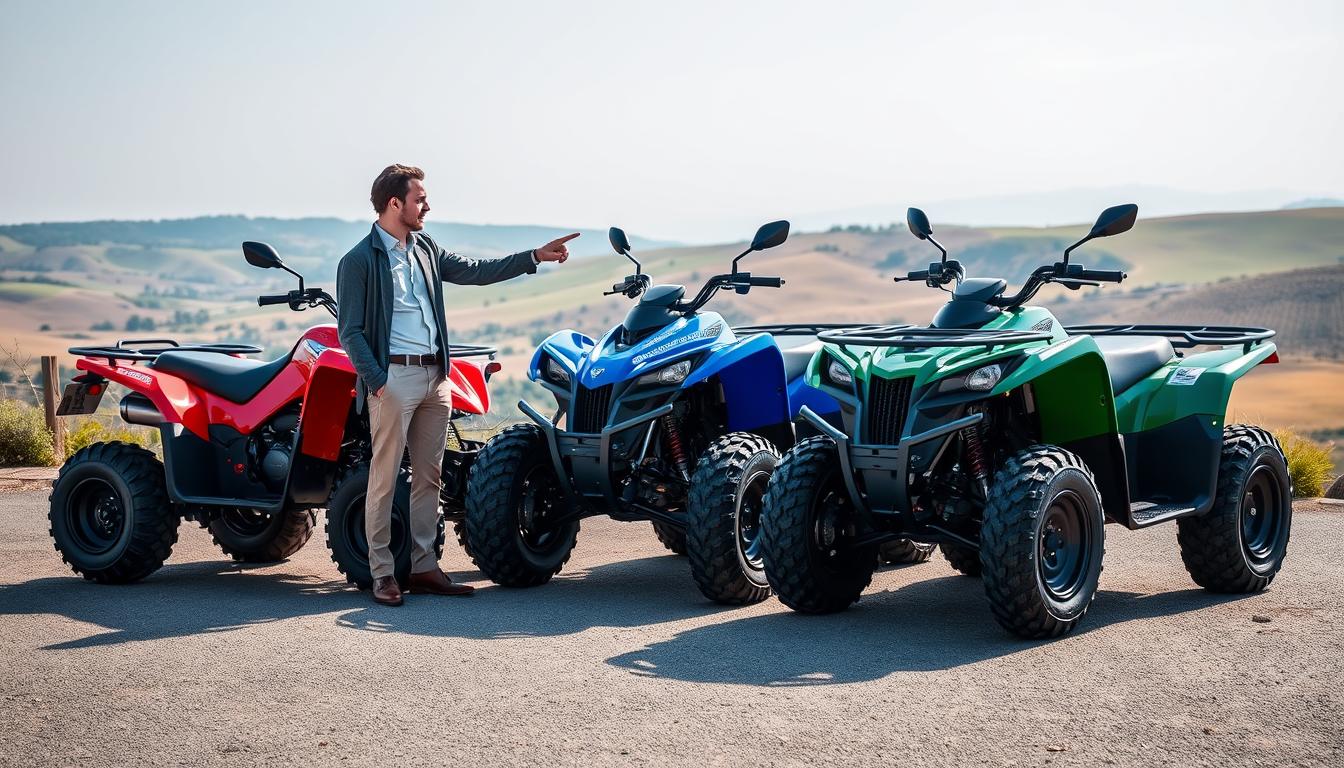
You’re looking for a safe, stable, and fun entry into the UAE desert. A 150cc quad bike offers smooth power and easy handling. It’s great for guided tours, firm tracks near Al Qudra, and small dune rides in the morning. This quad bike buying guide suggests it for beginners focused on learning and pace.
Best quad bike cc for beginners and casual riders
For those new to sand activities, 150cc is often ideal. It has a smooth throttle, making it easier to get used to turning and shifting your weight. It’s great for teens and adults who want a relaxed ride on mixed terrains.
Honda, Yamaha, and Polaris have reliable 150cc models. These bikes offer steady acceleration and a stable grip on firm tracks. This can help boost your confidence before you try bigger dunes.
Fuel efficiency, weight, and maneuverability benefits
A 150cc quad bike’s light weight makes handling easier in the desert heat and on soft sand. It’s fuel-efficient on gentle trails, giving you more ride time with fewer stops.
Keeping it running doesn’t cost much, which is good if you ride a lot. With basic maintenance, your money goes further. This makes a 150cc bike a smart choice for new riders.
Limitations in soft sand and steep dunes
When it’s hot and the sand is loose, keeping moving can be tough. Heavy riders or those with gear might find climbing steep dunes hard. It’s best to choose paths that aren’t too steep.
Lowering tire pressure and keeping a steady speed can help. However, there’s a limit to its power. Even so, the 150cc quad bike is a great way to start building your riding skills.
250cc Quad Bike Overview: Balanced Performance for Growing Skills
Looking for a bike that grows with you? A 250cc quad bike is perfect for that. It has enough power for Sharjah flats, Dubai sand, and Al Qudra trails. With its smooth power, it’s great for beginners and gives confidence on different terrains. This bike mixes control with power in an impressive way.
Power-to-weight sweet spot for mixed terrain
Experience stronger power in the midrange that helps you ride over soft ridges and dunes. The throttle is easy to handle, making it simpler to practice your riding technique. For those loaded with gear, this bike keeps you moving without effort.
On firm tracks, the 250cc shows its lively side yet remains easy to control. It offers more power than a 150cc for climbing but is smoother than a 350cc. This makes it ideal for navigating tricky spots without trouble.
Handling, braking, and suspension expectations
Models like the Yamaha Raptor 250 and Honda TRX250X have wider stances for stability. They ensure you ride smoothly and keep control at higher speeds. Their improved suspension helps on rough terrain, making the ride more comfortable.
Braking also gets an upgrade with larger hydraulic discs. They allow for safer and more controlled stops, especially on steep drops. This makes a big difference in how confident you feel during rides, especially on tricky dunes.
When to step up from 150cc to 250cc
Consider moving up if you find yourself struggling on uphill climbs or if you feel slowed down with gear. The 250cc helps with longer rides, like from Lahbab to Fossil Rock, by reducing the need for breaks. It keeps your adventure going.
If you’re good with a 150cc, the 250cc will feel like a natural next step. It offers more power for advanced maneuvers but is still easy to handle. It’s perfect for riders looking to improve without being overwhelmed.
350cc Quad Bike Overview: Performance for Advanced Desert Riding
The 350cc quad bike is perfect for riders who want more power in the dunes of Liwa and Al Badayer. It ranks high in quad bike engine sizes, providing quick response. This quad bike stands out for its thrust on steep slopes and sharp ridges.
Choose this class when you need headroom for steeper climbs, loaded rides, and fast line changes in tight bowls.
Torque, throttle response, and dune-climbing capability
This quad bike has strong low-end and midrange torque, letting you glide over soft sand and regain traction quickly. It has a sharp throttle response. This helps in adjusting angles, preventing stalls, and maintaining momentum in Liwa.
It maintains revs efficiently, making fewer shifts necessary. This lowers the chance of getting stuck during steep climbs.
Safety and rider fitness considerations
Heavier and faster, you need good core strength and to stay hydrated, especially in the UAE’s summer. Smooth wrist movements are crucial to avoid spinning out or digging into soft sand. Upgrade your gear with a certified helmet, armor, durable boots, and goggles.
Start with smaller hills. Then, tackle bigger challenges once you have better timing and control.
Maintenance demands and operating costs
Expect to use more fuel and service your bike more regularly. Check and clean your chain or belt often. Air filters also need more attention because of the sand. Keep an eye on coolant levels and keep radiators clean, especially in hot weather.
Plan for high-quality oil, new spark plugs, and regular clutch maintenance. These steps help maintain your quad bike’s performance for adventures in Dubai and Abu Dhabi.
Quad Bike Engine Size Comparison: Power, Torque, and Top Speed
Use this guide to understand how different quad bikes perform on UAE dunes. Discover the behaviors of 150cc, 250cc, and 350cc engines in deep sand and steep climbs. This information also ties into choosing the right quad bike based on your skills and the weight you’ll be carrying.
Realistic top speeds on sand vs hard-packed tracks
Sand makes quad bikes slower because it makes it harder for them to move. On sand, a 150cc bike can go 35–45 km/h, a 250cc bike 50–65 km/h, and a 350cc bike 60–75+ km/h. These speeds vary with the bike’s setup. On firm tracks, you can go faster, but torque is more important for dune riding.
For more details on quad bike performance, check out real examples like the Yamaha Raptor 700R. See the fastest quad bike overview to understand how engine size affects performance.
Torque characteristics and hill starts on dunes
How a quad bike climbs depends on its torque. With a 150cc bike, keep your speed up and choose your path wisely. A 250cc can take on moderate slopes if you manage the clutch or CVT well. A 350cc bike is easier for starting on hills and correcting your course if you slip up.
This comparison shows low-speed power matters more than top speed in soft sand. It also helps in choosing the right quad bike for lots of climbing and moving across slopes.
Acceleration, load carrying, and passenger impact
Having a passenger or carrying gear makes it harder to speed up and can cause the bike to sink into the sand more. A 350cc bike carries weight the best. A 250cc is okay for small loads, and a 150cc bike is the most affected by extra weight. Always look at the bike’s design for one or two people and stick to its weight limit.
When comparing quad bike engines, remember load carrying. Even distribution of weight, the right tire pressure, and gentle throttle use help keep the bike agile and moving well on warm sand.
| CC Class | Typical Sand Top Speed | Torque Behavior on Dunes | Hill Starts | Load/Passenger Suitability | Real-World Benchmark Models |
|---|---|---|---|---|---|
| 150cc | 35–45 km/h | Needs high rpm and momentum; limited pull at low speed | Requires rolling starts; restarts are difficult on steep faces | Sensitive to added weight; best for solo, light gear | Entry-class quads used for training; compare behavior to lighter sport ATVs |
| 250cc | 50–65 km/h | Broader midrange; workable throttle for mixed dunes | Can restart on moderate inclines with clutch/CVT finesse | Adequate for light bags; verify two-up rating before riding | Bridges the gap toward sport machines like the Kawasaki KFX 450R |
| 350cc | 60–75+ km/h | Stronger low-end; better drive through soft sections | Most forgiving for ridge recoveries and standstill launches | Best for heavier riders or added gear; still follow limits | Closer to torquey sport/utility feel seen in Yamaha Raptor 700R and larger utility quads |
Use this quad bike engine size comparison to better plan your rides in the UAE dunes. Think about your path, how much you weigh, and what you’ll carry to choose the right quad bike.
Handling, Suspension, and Braking Differences by Engine Displacement
As you move up in cc, the way your quad bike handles the dunes changes. A good comparison of quad bike engine sizes can help you choose the right mix of power and control for the sands of Dubai and Abu Dhabi. This buying guide explains how the bike’s setup changes as the engine size increases.
Wheelbase, center of gravity, and rider ergonomics
With larger engines, the wheelbase tends to get longer and the track wider. These changes make the quad bike more stable on slopes and during quick moves over the tops of dunes. A lower center of gravity also helps prevent rolling on steep slopes and keeps you on track.
The design for comfort, or ergonomics, improves as well. Bigger bikes from brands like Yamaha, Honda, and Can-Am have taller handlebars, bigger footpegs, and larger seats. This makes long rides less tiring and helps when riding through tough spots like tight turns or rough ridges.
Suspension travel and shock tuning for dunes
Smaller, 150cc quads have simple shocks that aren’t meant for fast riding. By the time you get to 250cc quads, you can adjust the suspension to better match the rider’s weight and the softness of the sand. At 350cc, the suspension can handle rough terrain better, keeping the ride smooth and the steering accurate.
The differences in engine size can affect how well the bike moves through dune bowls. With better control over the suspension, the bike stays connected to the ground, so you can speed up without losing control.
Brake types and stopping power across engine sizes
Smaller quads often have a mix of drum brakes and small hydraulic discs. But most 250cc and 350cc quads have bigger hydraulic discs that can handle the heat better on long downhill runs. These stronger braking systems, along with careful use of the engine to slow down, reduce brake fade and keep the brakes feeling steady even when the sand gets hot.
To really understand the difference engine size makes, try the brakes hard several times and see how they feel, especially with gloves on. Testing the brakes like this is a useful tip for anyone looking to buy a quad bike for use in the UAE.
| Engine Class | Typical Wheelbase/Track | Center of Gravity & Ergonomics | Suspension Setup | Braking Hardware | Desert Handling Takeaway |
|---|---|---|---|---|---|
| 150cc | Shorter WB, narrower track | Higher CoG; compact bars and pegs | Basic, shorter travel; limited damping | Drum or small hydraulic discs | Light and nimble at slow pace; can feel twitchy on slipfaces |
| 250cc | Moderate WB, wider track | Lower CoG feel; improved rider room | Preload adjust; mid travel for mixed dunes | Larger hydraulic discs, better heat control | Balanced stability and agility for everyday dunes |
| 350cc | Longer WB, widest track | Planted CoG; tall bars, roomy seat and pegs | Long travel; advanced rebound and compression | Dual large discs; strong fade resistance | Confident at speed; holds line through whoops and bowls |
Safety Gear, Riding Techniques, and Training for Each CC Class
Getting ready for desert riding properly makes it safer and more enjoyable. This guide helps you pick the right gear and skills for Dubai, Abu Dhabi, and Liwa’s dunes. Comparing various quad bike cc options for beginners with your goals helps pick the right quad bike.
Essential helmets, armor, boots, and hydration
Pick a helmet that’s DOT or ECE-certified, from brands like Arai, Shoei, Bell, or Fox. Combine it with goggles that are rated for impacts. You should also wear chest and back protectors, gloves, and boots that protect your lower legs.
In the UAE’s heat, wear breathable clothes and take 2–3 liters of water in a hydration pack. Use a neck buff, sunscreen, and lip balm for protection against the sun and wind. Always have a first-aid kit and a whistle ready for emergencies.
These gear choices are essential for any quad bike guide. They help with staying cool, protected, and visible, lowering risks in any cc class.
Throttle control and body positioning on soft sand
Keep your throttle steady to stay on top of the sand. When going uphill, lean back to help your rear wheels grip better. Look ahead, make sure you can see where you’re going, and then go for it.
To steer without getting stuck, turn gently. Lightly use the rear brake if you start sliding; avoid sudden stops. Stand correctly on the bike, bending your knees and keeping balanced to navigate ruts.
These tips are key when choosing the right quad bike. The right technique lets any 150cc, 250cc, or 350cc bike work well on soft sand.
Recommended training progression from 150cc to 350cc
Begin with a 150cc bike to get good at starting, stopping, and balancing at slow speeds. This basic level is great for learning how to use the clutch or CVT without getting tired.
Next, move up to a 250cc for learning how to climb hillsides and transition on ridges. This level is for practicing how to handle wind, plan your approach, and recover if you stop. Work on braking quickly and making turns while standing.
Step up to a 350cc when you’re ready to fine-tune your throttle use, follow the landscape, and get out of tough spots. Now, focus on choosing paths, preparing for hilltops, and keeping momentum when carrying extra gear or a passenger.
| CC Class | Key Skills to Master | Gear Priorities | Common Mistakes | UAE Tip |
|---|---|---|---|---|
| 150cc | Starts/stops, tight turns, low-speed balance | ECE helmet, gloves, ankle-covering boots | Over-braking on sand, sitting too far forward | Ride early morning to avoid heat and churned sand |
| 250cc | Controlled climbs, sidehilling, ridge transitions | CE chest/back armor, vented jersey, hydration pack | Chopping throttle on climbs, late crest scans | Practice on medium dunes near Al Qudra before Liwa |
| 350cc | Throttle finesse, contour reading, recovery drills | Full off-road boots, reinforced gloves, sunscreen | Carrying excess speed over blind crests | Spot wind-carved lips and choose side exits |
Remember to keep your quad bike guide handy and check it before you ride. This helps connect skills with safety and guides you on choosing the right quad bike for desert adventures.
Ownership Costs in the UAE: Purchase Price, Fuel, and Maintenance
Matching engine size with your riding goals helps your budget. This guide covers the real costs for desert riding. It uses comparisons of engine sizes and quad bike performance.
Price ranges by engine size and popular brands
Starting with 150cc quads, they are the cheapest way to hit the dunes. Brands like Yamaha and Honda offer many options. Remember to check the warranty and if parts are available before buying.
The 250cc models are stronger and have better suspension. And the 350cc ones are pricier with more features. Compare engine sizes to match your riding needs.
Fuel consumption and service intervals in desert conditions
Soft sand makes all quads use more fuel. A 150cc is more fuel-efficient, while a 350cc quad drinks more when it’s hot and under stress. Throttle use, tire pressure, and choosing your path also affect fuel use.
Clean the air filter after riding in the desert. Check the chains and change the oil as needed for dusty, hot rides. Comparing performance can help you balance speed with maintenance needs.
Insurance, storage, and transport considerations
Insurance policies vary, so check if off-road riding is covered. Ask about passenger insurance and what happens if you need recovery. Always have your insurance documents ready for rides and events.
Keep your quad in a cool, shaded place to protect it. Use a reliable trailer or pickup rack for transporting your quad safely. Don’t forget these extra costs when planning your purchase.
| Engine Size | Typical UAE Purchase Range (AED) | Fuel Use in Soft Sand | Service Focus in Desert | Notable Models |
|---|---|---|---|---|
| 150cc | 8,000–16,000 | Lowest; gentle throttle extends range | Air filter after each ride; basic chain care; severe‑use oil changes | Yamaha Raptor 125/150 (region dependent), Honda TRX variants |
| 250cc | 14,000–25,000 | Moderate; rises on tall dunes and two‑up loads | Filter and belt/chain checks; brake pad inspections; cooling attention | Yamaha Raptor 250, Honda TRX250X |
| 350cc | 22,000–38,000+ | Highest; strong torque trades for higher burn | Frequent filter service; CVT belt or chain inspection; severe‑use oil schedule | Yamaha Raptor 350 (legacy), Polaris Sportsman 450 (power class up), Can‑Am DS 250/upgrade path |
| Ownership Extras | Insurance 400–1,200/yr | — | Battery tenders; tire rotation for sand wear | UAE‑spec trailers, tie‑downs, wheel chocks |
Try Before You Buy with Desert Buggy Rental Dubai
Before you make a decision, you can actually feel the difference. Book a session to test how the bikes handle on sand, how the throttle reacts, and how well you can control them on different dunes. This experience helps you learn How to Choose the Right Quad Bike. It gives you first-hand knowledge on the differences in quad bike engines. Plus, you get to see how different bikes perform live.
Test ride options: Quad Biking Tours and Dune Buggy Tours
Take part in guided Quad Biking Tours that cover various terrains. You’ll get to try bikes with 150cc, 250cc, and 350cc engines on the same ground. This way, you can see for yourself how the start, climb, and stop features differ among the bikes.
If you want a direct comparison, Dune Buggy Tours are great. They let you either ride alongside or drive across set paths. This helps you compare how each bike handles and stays stable. You get a closer look at quad bike performance. This happens on both soft sand and firmer tracks.
Tailored guidance to match you with 150cc, 250cc, or 350cc
Instructors will look at your experience, weight, and what you want to achieve with your riding. They’ll show you how different engine sizes meet different needs. You’ll understand when a 150cc is suitable, when a 250cc is better for varied terrains, or when a 350cc is necessary for more power.
While riding, you’ll receive helpful advice on controlling the throttle, choosing your path, and how to position your body. This advice makes deciding How to Choose the Right Quad Bike simpler. It changes a mere test ride into a solid decision-making experience.
Booking hours, contact details, and what to bring
Desert Buggy Rental Dubai is open 24/7. To book Quad Biking Tours, Dune Buggy Tours, and more, call +971 52 440 9525 or email [email protected].
- Bring a valid ID and closed-toe shoes.
- Wear breathable clothing, sunglasses, and sunscreen.
- Carry water; helmets and basic protective gear are provided.
Following these steps ensures you stay focused. You can concentrate on the ride and making the most of the quad bike performance comparison. This is key to your purchase decision.
Conclusion
Choosing a quad in the UAE is about finding what fits you best, not just going for the most popular option. Compare quad bike engine sizes to find the right match for your terrain, skill level, and budget. A 150cc is perfect for beginners looking for easy rides on light dunes, straightforward handling, and low costs of owning one.
A 250cc is a great middle ground. It provides more control and better suspension for both sand and hard-packed surfaces. Opting for a 350cc gives you powerful torque for climbing steep dunes and taking on longer journeys. However, it requires more riding skill and upkeep.
But it’s not all about power. Look at how the bike handles, its suspension, and its brakes. You’ll also need the right safety gear. The challenging conditions of hot sand, dust, and strong winds demand regular maintenance. Make sure your quad guide includes info on insurance, where to store, and how to transport your bike. This ensures you’re always ready for an adventure.
If you’re still undecided on which quad to choose, why not test them out? Book a session with Desert Buggy Rental Dubai. They’re available 24/7 at +971 52 440 9525. Riding different engines back-to-back will help you see which one suits you best.
Choosing the right quad bike can be straightforward. Start by assessing yourself honestly. Then, try biking on real dunes. Finally, pick an engine that ensures you’re confident, safe, and excited for more rides.
FAQ
How do you choose the right quad bike engine size for UAE dunes?
Consider your skill, weight, and the terrain you’ll ride on. Beginners should start with a 150cc quad bike for smaller dunes and firm tracks. For mixed terrain like Al Badayer and Al Faya, a 250cc quad bike is a good balance of power and control. If you’re tackling long climbs and soft sand in Liwa, opt for a 350cc quad bike for enough torque. Always, always take a test ride to make sure it feels right.
What’s the main difference between 150cc, 250cc, and 350cc engines?
It all boils down to power and smoothness. A 150cc engine makes 10–13 hp, perfect for taking on slopes with momentum. With 18–25 hp, a 250cc can restart on slopes without much trouble. The 350cc, hitting 25–30+ hp, offers strong pull for big challenges like long slipfaces and ridges. Soft sand really shows off these differences.
What is the best quad bike cc for beginners?
Beginners should go for a 150cc quad bike. It offers an easy throttle, light handling, and is cheaper to run. You’ll master braking, turning, and positioning easily. Once you’re ready for more, moving up to a 250cc makes sense.
How does UAE sand affect quad bike performance?
UAE’s soft, silicate-rich sand makes your bike work harder, raising resistance and heat. Early morning rides on firmer sand feel quicker; midday sessions in looser sand need more power. Keep tire pressure low for better float and maintain speed on inclines. And don’t forget to check your cooling system on hot days.
Are there age limits or licenses needed to ride ATVs off-road in the UAE?
You need to follow the rules for public roads, which mean registration and a license. Off-road, it’s different. Places set their own age limits, usually 16+ for smaller ATVs, 18+ for more powerful ones. Go with licensed operators for safety gear and guidance. Always have your ID and heed local advice.
What are realistic top speeds on sand for each engine size?
Speeds vary with terrain. Expect 35–45 km/h on a 150cc, 50–65 km/h on a 250cc, and 60–75+ km/h on a 350cc, on soft sand. Gear and tires can change this. But in UAE’s dunes, how you handle throttle and torque counts more than sheer speed.
When should you step up from 150cc to 250cc?
Move up if you find yourself stalling on hills, needing to carry more, or aiming for longer rides. A 250cc quad offers just the right power for varied landscapes. It also has wider stances and better brakes, making downhills safer.
Who is a 350cc quad bike best for?
It’s for skilled riders facing Liwa’s intimidating slipfaces or packing heavy. The heftier torque helps with hill starts and maneuvering ridges. You’ll need good throttle skills, physical fitness, and all the right gear to handle the demands.
How do passengers or cargo affect performance?
Extra weight means more drag and slower speeds. A 350cc quad can manage well, a 250cc is okay with light loads, but a 150cc struggles with extra weight. Only ride with a passenger if it’s made for two, and keep within weight limits.
What handling and suspension differences should you expect by engine size?
Bigger engines usually mean longer, wider quads for better stability. Suspension quality improves as you go up in size, from basic on a 150cc to adjustable on a 250cc, to advanced on a 350cc. Good suspension helps in rough terrain, keeping you in control.
How do brakes vary across 150cc, 250cc, and 350cc quads?
Smaller quads might have basic brakes, while 250cc and 350cc models get stronger, heat-resistant hydraulic discs. Combining these brakes with engine braking helps smooth out your ride.
What safety gear should you wear in the UAE desert?
Safety first: wear helmets meeting DOT or ECE standards, goggles, body armors, gloves, and boots designed for off-roading. Go for gear with good ventilation, use sunscreen, and carry plenty of water. Always protect your eyes in sandy, windy conditions.
What riding techniques work best on soft sand?
Keep the throttle consistent, lean back on inclines, and plan your moves when cresting hills. Steer gently and brake smoothly on slopes. Practice on a 250cc or 350cc quad to get better at managing hills confidently.
What are typical ownership costs by engine size?
A 150cc quad is easiest on the wallet, from buying to maintaining. The 250cc offers a good balance of performance and cost. But a 350cc, though pricier upfront and in upkeep, handles loads better. Desert riding demands regular cleaning of air filters across all sizes.
How often should you service a quad bike used in dunes?
Check or change the air filter after each desert run. Look after your chains or belts often. And change the oil as recommended for tough conditions. Keep an eye on your cooling system too, especially if it’s water-cooled.
Which brands offer reliable quads in the UAE?
Popular choices are Yamaha, Honda, Can-Am, and Polaris. Available models and services can vary, so check warranty, parts availability, and service quality before buying.
Can you test ride different engine sizes before buying?
Definitely. Desert Buggy Rental Dubai lets you try out 150cc, 250cc, and 350cc quads on real dunes. Their experts can help pick the best fit for you.
How do you book with Desert Buggy Rental Dubai, and what should you bring?
They’re open 24/7. Call them at +971 52 440 9525 or email [email protected]. Bring ID, wear closed shoes and comfy clothes, and don’t forget sunglasses, sunscreen, and water. They provide helmets and some protective gear. You can enjoy quad biking, dune buggies, and even desert BBQs with them.
Is there a quad bike engine size comparison for performance at Big Red?
In the morning, a 150cc can handle Big Red’s smaller slopes. A 250cc does well on most paths with right throttle use and tire pressure. A 350cc keeps steady on steep faces and performs better in the midday heat.
Categories
- Uncategorized (4)
- Desert Buggy Rental (2,089)
- Dune buggy (4)
- Quad Bike Rental (1)
- Desert safari (1)
- Hot air ballon (2)
- dirt bike (4)
Recent Post

Tags
Aerial Tour Antalya Food Scene Arabian Gulf vacations Bali Tourist Attractions Bangkok Attractions Barcelona attractions Bespoke Desert Exploration Best things to do indoors in Dubai Best Yacht Charter Services Bollywood entertainment Building sandcastles with kids Burj Khalifa Spa Character Experiences Creative spaces Dubai Desert Chic Photography Wardrobe Dubai Desert Photography Dubai dining scene Dubai Dune Adventures Dubai Family Vacations Dubai marine adventures Dubai Photography Props Dubai travel Exclusive designer labels Extreme Flying Thrills Five-star hospitality Dubai Georgia family vacations Georgia tourism Gourmet cuisine Dubai Interactive experiences Istanbul Sightseeing Jumeirah Beach Kuala Lumpur in 2025 Las Vegas casinos Malaysia trip planning Outdoor destinations in Dubai Quad bike riding Riyadh Attractions Roman Attractions Santorini Travel Seaplane tour experiences Shopping guide for Dubai Mall Skydiving adventures Sydney Harbour Top destinations Georgia Venice Sightseeing