

- 263 Views
- 18 Min Read
- (0) Comment
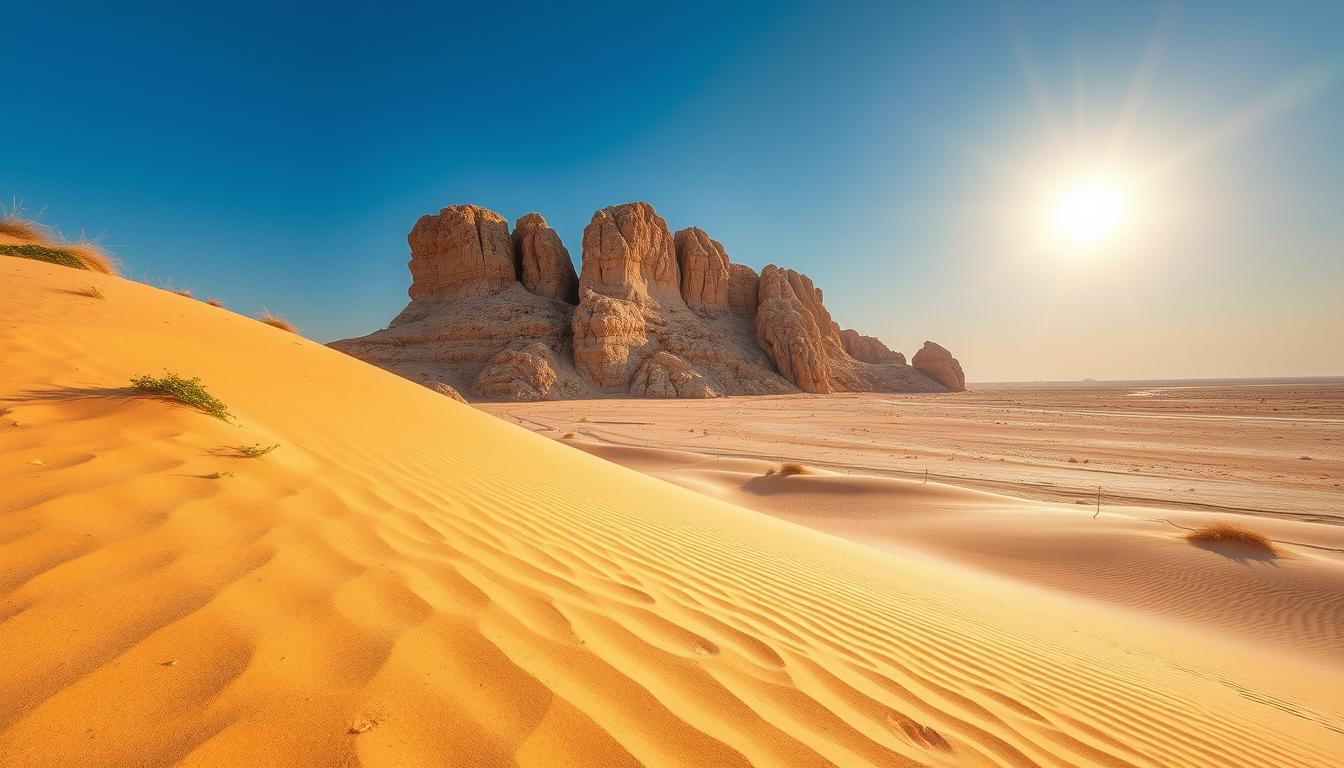
You feel it before you see it—the hush of open sand, the sky washed in gold, and a ridge that rises like a memory. On the road from Dubai to Sharjah, Fossil Rock calls you closer. This desert landmark is both quiet and bold, a place where wind writes new lines on ancient stone. You arrive seeking views. You leave with time in your hands.
Here, the UAE reveals its oldest story. Layers of sea life lie pressed into limestone, turning the ridge into a living archive. You trace the edges of shells and corals and think about what once swam where you stand. The scene feels simple, yet it holds deep meaning—one of the UAE’s true natural wonders and an iconic landmark shaped by water, sun, and grit.
If you crave motion, Fossil Rock offers it. Dune crests invite a morning hike. The flats welcome a safe, guided ride on a buggy. When the heat fades, you watch the sky flare and the stars gather. In a country built for bold plans and clean horizons, this place reminds you to slow down. It sets the tone for responsible tourism and the kind of trip you remember long after the sand leaves your shoes.
As you plan your day, you want practical steps and a light footprint. You’ll find them ahead—how to reach the site from Sharjah or Dubai, what to pack, and where to pause for the best views. Fossil Rock is more than a waypoint on a map. It is a guide to the desert itself.
Key Takeaways
- You connect with deep time at Fossil Rock, a desert landmark shaped by ancient seas and wind.
- The site stands as an iconic landmark in Sharjah and the UAE, with scenic hikes and stargazing.
- It anchors responsible tourism, blending outdoor adventure with care for fragile fossils and dunes.
- Expect practical access from Dubai and Sharjah, with options for guided off-road experiences.
- Plan for heat, light, and visibility; early mornings and sunsets are the most rewarding times.
- Respect the terrain and preserve the natural wonders that make Fossil Rock unforgettable.
Overview of Fossil Rock in Sharjah’s Desert Landscape
Fossil Rock, known as Jebel Maleihah, rises from the ochre dunes east of Sharjah. It’s near the Hajar Mountains and the Mleiha Archaeological Centre. This spot is close to Dubai, where science meets scenery in the UAE.
Layered cliffs, open skies, and vast sand dunes await you. It’s perfect for photography, learning, and outdoor fun.
Why Fossil Rock is an iconic landmark in the UAE
The site is famous for its fossil-studded terraces. You can see ancient marine life in the rock at eye level. The ridge glows at dawn and dusk, turning the dunes into waves.
Its easy access from city roads makes it a unique spot. Here, you can enjoy science, culture, and fresh air together.
How the site fits into Sharjah’s natural wonders
Fossil Rock is a key part of Sharjah’s natural wonders. It’s near the Mleiha desert, Camel Rock, and the Hajars. The visible fossil beds show how sea, wind, and time shaped the area.
You get stunning views that link rocky heights with mobile dunes. It’s a perfect spot for photography.
Best reasons to add Fossil Rock to your travel plans
Plan a half-day or full-day visit for a mix of learning and adventure. Hike the ridge, try sandboarding, or join guided quad rides. These activities are safe for the fragile strata.
Sunrise and sunset offer colorful scenes. This makes Fossil Rock a must-see in Sharjah and a highlight of UAE tourism.
Geology and Ancient Origins
You stand on a ridge where geology turns the desert into a timeline. In the UAE, few natural wonders reveal the past as clearly as Fossil Rock. The cliff faces read like pages that trace prehistoric Arabia from sea to sand.
Look closely and you see a story set in stone. The site blends science and scenery, inviting you to match what you observe with what you know about changing climates and coastlines.
Marine fossils and sedimentary formations
You can spot marine fossils—shells, corals, and tiny invertebrates—locked into pale limestone. These finds sit within layered sedimentary formations that formed on a shallow sea floor. Each bed marks calm waters, storms, or shifting currents.
The textures vary from fine mudstone to harder limestone ledges. As you trace the contacts, you follow quiet deposition, then pauses, then renewed buildup. It is a clean record of a vanished shoreline in the UAE.
What the rock layers reveal about prehistoric Arabia
The stacked strata chart uplift and exposure tied to regional tectonics. As the Arabian Plate moved, the seabed rose and dried, turning marine flats into high ground. The sequence captures a pivot point in prehistoric Arabia, when ocean habitats gave way to inland deserts.
In these beds, you read water depth, salinity shifts, and ancient reef growth. The clues add context to how today’s Gulf took shape and why coastal environments migrated over time.
How erosion shaped the modern desert landmark
Wind abrasion carves sharp edges and smooths faces, while rare rainstorms cut gullies and reveal fresh fossils. Over long spans, erosion stripped softer layers and left the tougher ledges that draw your eye from the dunes.
The result is a bold profile with ribs, notches, and alcoves. These forms guide how light falls at sunrise and sunset, turning a lesson in geology into one of the UAE’s most photogenic natural wonders.
| Feature | What You See | Process | What It Tells You |
|---|---|---|---|
| Limestone beds | Pale layers with shell fragments | Marine deposition in shallow seas | Proof of former coastlines in prehistoric Arabia |
| Cross-bedding | Slanted lines within sandstone lenses | Shifting currents and migrating bars | Changing energy levels across sedimentary formations |
| Gullies and notches | Incised channels on steep faces | Flash-flood runoff and wind scouring | Active erosion exposing fossil-bearing strata |
| Hard ledges | Ridges that resist wear | Differential weathering of cemented layers | Layer-by-layer strength contrasts in the rock |
Fossil Rock: Sharjah’s Most Iconic Desert Landmark
When you arrive, Fossil Rock stands out against the dunes. It looks like a stage, framing the area perfectly. This makes it a key spot in Sharjah and a favorite among travelers in the UAE.
At Fossil Rock, nature, history, and fun come together. You can explore the rock layers and then go for a hike or a guided tour. It’s easy to get to, thanks to clear signs and its close location to Dubai and Sharjah.
Guided tours offer a deeper look into the rock’s history and the Bedouin culture. They also teach you how to safely explore the dunes. This shows how the UAE values its ancient lands and invites visitors to learn about them.
Don’t forget your camera! A wide-angle lens is great for the rock, while a portrait lens captures the sand’s patterns. The best light is in the early morning or late afternoon. This way, you can enjoy the rock’s beauty without worrying about finding your way.
Walking around Fossil Rock, you’ll see the contrast between the rock and the sand. Short climbs offer new views, and there are safe spots to stop and take in the scenery. Responsible tourism helps keep Fossil Rock beautiful for future visitors, making it a key desert landmark in the UAE.
How to Get to Fossil Rock from Dubai and Sharjah
Getting to Fossil Rock is easy with clear directions. In the UAE, signs to Mleiha make finding your way simple. It’s a short drive from Sharjah and Dubai. Plan your visit with the season and your adventure in mind.
Driving directions and recommended routes
From Dubai, take E611 or E102 toward Mleiha. These routes lead southeast, quickly reaching the desert. From Sharjah, head on E102 and follow signs to Mleiha Archaeological Centre.
Near the ridge, look for tracks with safe parking spots. Stay on the compacted surfaces to protect your vehicle and the site. This helps keep tourism in Sharjah responsible.
Best times of day and year to visit
Sunrise and sunset offer cooler air and soft light. The UAE’s peak season is October to April, perfect for outdoor adventures. In summer, start early, stay hydrated, and avoid direct sun.
Always check the weather forecast before visiting. Rare rain can make wadis flood and surfaces slippery, affecting access and visibility.
Navigation tips for off-road approaches
For dune crossing, use a 4×4 and lower tire pressure for better grip. Carry a shovel, traction boards, and a tow rope. Travel in a group for safety. Offline maps and a saved GPS waypoint are useful when signal is weak.
Avoid driving on fragile rock layers or steep shelves. Keep your speed smooth, scout crests on foot, and keep an eye on your group. These steps protect the landscape and ensure a safe journey.
| Starting Point | Main Highways | Key Waypoint | Parking | Ideal Visit Window | Off-Road Essentials |
|---|---|---|---|---|---|
| Dubai | E611 or E102 toward Mleiha | Mleiha Archaeological Centre | Pull-offs on graded tracks near ridge | Sunrise/Sunset, Oct–Apr | 4×4, reduced tire pressure, shovel, traction boards, tow rope |
| Sharjah city | E102 southeast to Mleiha | Mleiha Archaeological Centre | Designated compacted areas off main track | Cool months in the UAE; early starts in summer | Convoy travel, offline maps, GPS waypoint, extra water |
Pro tip: Make sure to check fuel and supplies before leaving the highway. Services are scarce past Mleiha. With careful planning, your trip supports safe tourism and a memorable adventure in Sharjah.
Top Things to Do: Outdoor Adventure and Exploration
Fossil Rock offers wide-open desert and clear skies. It’s a place where adventure meets quiet moments and beautiful desert light. Make sure to balance action, rest, and photography while protecting the fragile fossil layers.
Dune buggying and quad biking near Fossil Rock
Book guided dune buggy tours and quad biking sessions around the ridge. Guides choose routes that avoid fossil beds but offer exciting climbs and descents. Always keep tires off rock shelves and follow safety briefings to protect the terrain.
Hiking to scenic viewpoints and photo spots
Take established paths up the accessible flanks for stunning views of golden dunes. Wear sturdy shoes and carry water, as the sun and heat can be intense. At the top, you’ll have perfect views for photography across Sharjah’s desert.
Sandboarding on nearby dunes
Look for the leeward dunes for smooth, fast sandboarding. A waxed board helps you glide. Many operators offer rentals on-site. Always set up away from rocky edges and avoid fossil-bearing layers to preserve the site.
Stargazing and sunset photography
Arrive early to catch warm tones on the rock and long shadows on the sand. Stay for blue hour for bold silhouettes and then enjoy stargazing. Pack a tripod for low-light photography and watch your step on uneven ground.
These experiences support responsible tourism by following marked routes, minimizing noise, and carrying out all waste. With care and planning, your visit will be a mix of thrill, discovery, and lasting images of Sharjah’s desert landmark.
Safety, Permits, and Responsible Travel
At Fossil Rock, your outdoor adventure is best when you balance fun with safety. This desert landmark in the UAE is precious, so be sure to travel responsibly. Prepare for the heat, glare, and loose terrain before you start.
Essential gear and hydration in desert conditions
Bring 3–4 liters of water per person for a half-day. More is needed in summer. Add electrolyte tablets to keep your energy up.
Wear UPF clothing, a wide-brim hat, sunglasses, and SPF 50. This protects you from the sun.
Pack a compact first-aid kit and a headlamp for early or late hikes. Choose sturdy footwear for steep, gravelly paths. This kit is key for safety at this desert landmark in the UAE.
Driving and off-roading safety near rocky outcrops
Before driving, check your tires, recovery points, spare, and compressor. Travel with at least one other vehicle. Keep a wide distance from rocky edges to avoid tire damage.
Use low-range when driving on soft sand. Avoid driving over blind ridges. Stick to existing tracks to protect the desert. If new to desert driving, join a guided convoy for safety and fun.
Respecting fossils, archaeology, and protected sites
Leave fossils and artifacts where you find them. Don’t carve rock, stack stones, or remove material. Pack out all trash to keep the desert clean for others.
Some drones need permission; check the rules before flying. Stay on marked routes to reduce erosion and habitat stress. These choices protect science, culture, and your adventure, showing responsible travel in the UAE.
| Planning Area | Do | Don’t | Why It Matters |
|---|---|---|---|
| Hydration & Sun | Carry 3–4L water per person, use electrolytes, wear UPF layers and SPF 50 | Rely on a single bottle or skip sun protection | Prevents heat stress and keeps energy steady during outdoor adventure |
| Footwear & Lighting | Use grippy shoes and a headlamp for early/late hikes | Hike in smooth soles or without a light | Reduces slips on gravel and improves safety at low light |
| Vehicle Prep | Check tires, recovery points, spare, compressor; travel in pairs | Go solo without equipment checks | Improves response to flats and soft sand in the UAE desert |
| Driving Technique | Use low-range on soft dunes; avoid blind crests; keep distance from rocks | Charge over ridges or skim close to outcrops | Protects tires and prevents rollovers near the desert landmark |
| Site Respect | Leave fossils in place, pack out waste, follow existing tracks | Collect, carve, stack stones, or create new paths | Safeguards heritage and aligns with responsible travel standards |
| Permissions | Confirm drone regulations before flying | Launch without checking rules | Ensures legal compliance and minimizes disturbance |
Wildlife, Flora, and Desert Ecology
At Fossil Rock in Sharjah, you learn about desert ecology firsthand. The area is filled with hardy plants like grasses and shrubs that can handle salt. These plants help hold the sand in place, creating homes for animals that live in the UAE’s harsh conditions.
Look for larks flying low over the ground and wheatears sitting on rocks. Reptiles blend into their surroundings, making them hard to spot. In the morning, you might see tracks from foxes and jerboas, showing that life is present in Sharjah.
After it rains, the desert comes alive with colorful flowers. These flowers attract insects and birds, giving them food and shelter. This shows how important water, wind, and plants are in the UAE’s natural world.
The desert is very sensitive. It’s important to stay on paths, not disturb burrows, and keep a safe distance from animals. Every step and mark you leave can harm the desert’s balance, so be careful.
Wind shapes the sand into patterns, but plants stop it from blowing too much. This creates safe spots for insects, lizards, and birds. Traveling carefully helps keep Sharjah’s beauty alive for everyone to enjoy.
Cultural and Archaeological Significance
Fossil Rock is a key spot that connects you to Sharjah and the UAE’s history. As you get closer, you step into a place where geology and archaeology meet. It’s a place where tradition and the desert’s beauty come together.
Heritage context within Sharjah and the UAE
Traveling here, you see a landscape linked to Mleiha. Here, forts, paths, and burial sites show life through the ages. Sharjah’s museums and centers help you see how the dunes were used for trade, faith, and crafts.
This setting is key to understanding the UAE’s story of adapting to its environment.
Archaeological findings and research highlights
In Mleiha, digs have uncovered ancient tools, tombs, and trade routes. Researchers use various methods to study these finds. They help us understand how people lived and used water in the area.
This research gives you a deeper understanding of the landscape around Fossil Rock.
Local customs and visitor etiquette
When visiting, dress modestly and keep your voice down. Always ask before taking photos of people. Never pick up stones or artifacts, and follow signs marking protected areas.
By following these simple rules, you help preserve Sharjah’s cultural heritage. Hiring licensed guides and staying on paths are important steps for responsible tourism in the UAE.
Plan Your Visit with Desert Buggy Rental Dubai
You can pair Fossil Rock’s dramatic ridgelines with curated outdoor adventure built for UAE tourism. With Desert Buggy Rental Dubai, you choose timing, pace, and terrain. Guides keep you on eco-friendly routes around fossil-bearing slopes.
Service options: Dune Buggy Tours, Quad Biking Tours, Evening Desert Safari
Choose guided Dune Buggy Tours for wind-carved bowls near the rock. Or go for Quad Biking Tours for nimble climbs and views. An Evening Desert Safari adds sunset colors and cooler air for smooth riding.
Morning Desert Safari, Desert BBQ Dinner, Camel Ride, sandboarding
A Morning Desert Safari is perfect for early risers. It offers crisp light and calm dunes. After, enjoy a Desert BBQ Dinner under the stars, then a Camel Ride and sandboarding.
For full inclusions, see this desert safari guide.
Booking hours: 24 hours for flexible itineraries
Scheduling is open 24/7. You can book sunrise starts or twilit departures. Packages scale to your skills, and safety briefings ensure confident riding.
Contact Desert Buggy Rental Dubai: +971 52 440 9525 | [email protected]
For tailored routes, current availability, and pricing, call +971 52 440 9525. Or email [email protected]. They offer Dune Buggy Tours, Quad Biking Tours, Evening Desert Safari, and more.
Conclusion
Fossil Rock is a place of scale and story. It’s an iconic landmark in Sharjah, with rugged ridges, ancient sea life, and rolling dunes. It’s a unique spot in the UAE, blending accessible geology with open desert air.
Plan your visit for cooler hours and don’t forget water, sun protection, and sturdy shoes. Hiking a ridge, you’ll see layers and shells set in stone. At sunset, the slopes light up, showing why it’s a natural wonder and why tourism must be responsible.
Choose low-impact routes and respect marked areas. Avoid disturbing fossils. You can take photos, try sandboarding, or join a guided dune buggy ride. Each option helps protect the rock and the dunes.
For a great visit from Dubai or Sharjah, plan carefully. Use Desert Buggy Rental Dubai to set a safe itinerary. Your day at Fossil Rock will be a memorable snapshot of the UAE, where ancient seas meet modern sands.
FAQ
Where is Fossil Rock and how do you get there from Dubai or Sharjah?
Fossil Rock, also called Jebel Maleihah, is east of Sharjah near the Hajar Mountains and Mleiha Archaeological Centre. From Dubai, take E611 or E102 toward Mleiha. From Sharjah, follow E102 and look for Mleiha signs. Use the centre as a guide, then follow graded tracks to pull-off areas near the ridge.
Why is Fossil Rock considered an iconic landmark in the UAE?
The ridge offers stunning views and visible marine fossil beds. Its unique geology and desert scenery make it a standout in Sharjah and the UAE.
What makes the geology of Fossil Rock special?
Fossilized shells and invertebrates are embedded in limestone, showing a shallow sea once covered prehistoric Arabia. Sedimentary formations tell of deposition and uplift cycles tied to regional tectonics and the Gulf’s opening.
How did erosion shape the modern desert landmark?
Wind and rare rains carved gullies and sharp facades, stripping softer layers and exposing fossil-bearing rock. This erosion sculpted the distinctive ridge line that overlooks the surrounding dunes.
What are the best times of day and year to visit?
Visit at sunrise or sunset for cooler temperatures and the best light. The peak season is October to April. Summer visits are possible with early starts, plenty of hydration, and shade breaks.
Can you visit Fossil Rock on a day trip?
Yes. It’s an easy half-day or full-day trip from Dubai or Sharjah. You can hike, photograph, sandboard, or join guided dune buggy and quad biking tours without an overnight stay.
What outdoor activities can you do at Fossil Rock?
Popular options include dune buggying, quad biking, hiking to viewpoints, sandboarding on leeward dunes, stargazing, and sunset photography. Stay off fossil beds and rock shelves to protect the site.
Do you need a 4×4 to reach the area?
You can access roadside viewpoints with a standard car, but off-road approaches and dune routes require a reliable 4×4. Reduce tire pressure, carry recovery gear, and travel in convoy for safety.
Are permits required to visit or fly drones?
Visiting the general area usually doesn’t require a permit, but drone use may need authorization under UAE regulations. Check current rules for Sharjah and Mleiha before flying.
How should you prepare for desert conditions?
Pack 3–4 liters of water per person for a half-day, electrolytes, UPF clothing, a wide-brim hat, sunglasses, SPF 50, and a compact first-aid kit. Wear grippy footwear and bring a headlamp if you plan sunrise or sunset hikes.
What are the safety tips for off-roading near rocky outcrops?
Inspect tires and recovery points, carry a compressor, shovel, boards, and a tow rope. Keep distance from rock edges to avoid sidewall damage, use low-range on soft sand, and never crest blind dunes at speed.
How can you visit responsibly and protect fossils and archaeology?
Leave fossils and artifacts in place, avoid carving or stacking stones, and dispose of all waste. Stick to established tracks to reduce habitat damage and respect marked research or protected zones near Mleiha Archaeological Centre.
What wildlife and flora might you see around Fossil Rock?
Look for hardy desert shrubs and grasses, larks, wheatears, heat-adapted reptiles, and nocturnal mammals that leave tracks at dawn. After rare rain, seasonal blooms add brief color to the dunes. Observe from a distance and avoid burrows.
What is the cultural and archaeological context of the area?
Fossil Rock sits within the broader Mleiha heritage landscape, where excavations revealed ancient settlements, tombs, and trade links. Dress modestly, keep noise low near cultural sites, and follow posted guidance on site access.
Can you book guided tours and rentals near Fossil Rock?
Yes. Desert Buggy Rental Dubai offers Dune Buggy Tours, Quad Biking Tours, Morning Desert Safari, Evening Desert Safari, sandboarding, Camel Ride, and Desert BBQ Dinner. Guides focus on safety and avoid sensitive fossil beds.
How do you book with Desert Buggy Rental Dubai?
Booking is available 24 hours for flexible itineraries. For reservations and custom routes around Fossil Rock, contact +971 52 440 9525 or [email protected].
Categories
- Uncategorized (4)
- Desert Buggy Rental (2,089)
- Dune buggy (4)
- Quad Bike Rental (1)
- Desert safari (1)
- Hot air ballon (2)
- dirt bike (4)
Recent Post



Tags
Abu Dhabi dune buggy tour Abu Dhabi sightseeing Adventure tour preparation Adventurous Desert Experiences Arabian Desert Adventure Arabian desert customs Bedouin camp activities Buggy safety tips Couples Desert Getaway Culinary Adventure Desert Excursions Near Dubai Desert Safaris UAE Dubai Autumn Festivals Dubai Family Fun Dubai jewelry market Dubai trip essentials Dubai visa processing fees Dune Buggies in Dubai Evening desert activities Gold price fluctuations Islamic art Kids quad biking Dubai Luxury Deals Luxury vehicles Magical Desert Experience Middle Eastern Deserts Modern architecture Moonlit Quad Biking Navigating Dubai Off-Roading Adventures in Abu Dhabi Off-Roading Precautions One-Day Dubai Tour Outdoor Gear Outdoor Recreation UAE Outdoor Team Building Overnight desert stays Peak season in Dubai Quad Biking in UAE Safari Tour Comparison Safe Quad Biking Self-driving experience in Dubai Spring vacation wardrobe Street food vendors Sunset Quad Biking Sustainable Tourism