

- 117 Views
- 27 Min Read
- (0) Comment
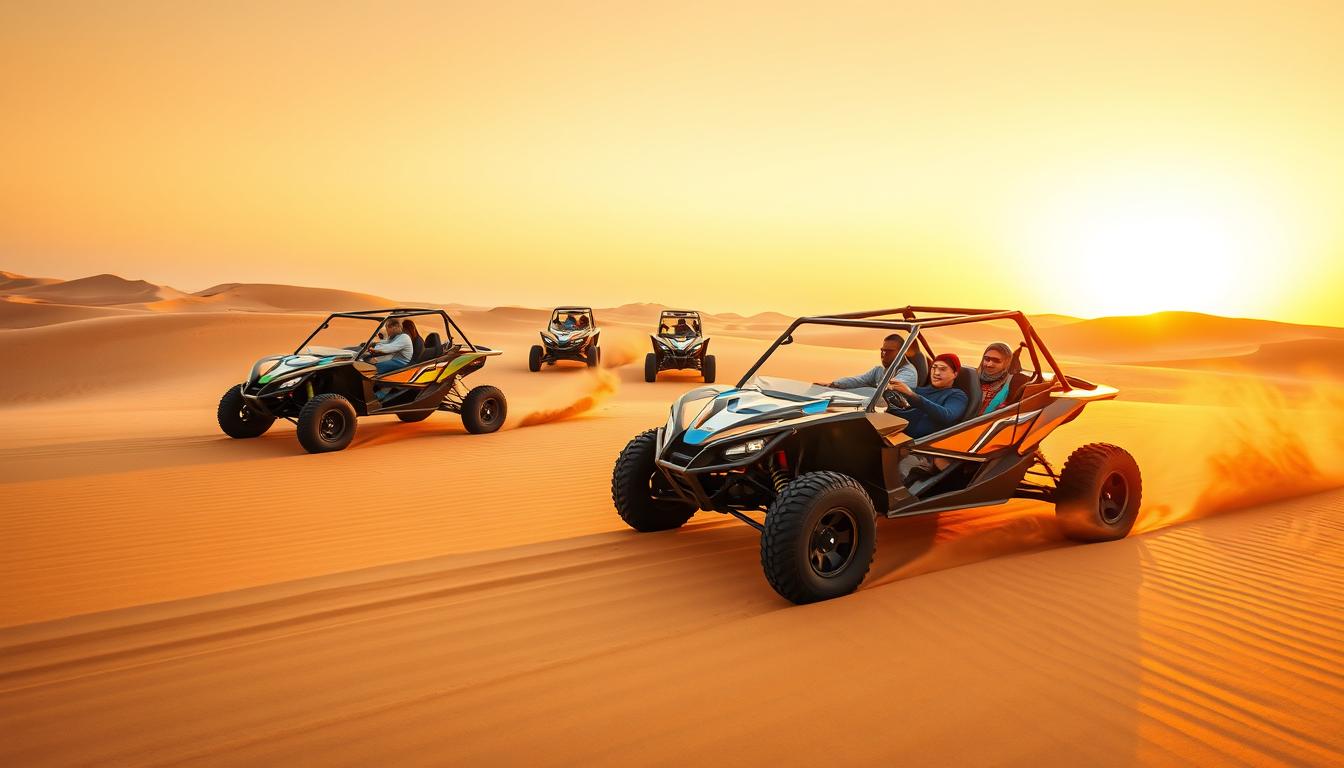
The first time you saw the dunes, they looked like waves in the ocean. The sunlight shifted every second, making your heart race. It was awe-inspiring and scary at the same time. Feeling this mix is key to driving safely and with confidence in Ras Al Khaimah’s desert.
This guide offers clear steps for dune driving with skill, not just hope. You’ll learn to pick the best buggy, understand the desert’s wind patterns, and drive on soft sand safely. Plus, it includes tips for adventurous yet safe desert trips.
Think of this as your desert driving guide for RAK. We’ll cover everything from beginner tips to advanced techniques. You’ll learn about throttle control, how to drive in groups, and basic recovery tricks. Get ready to tackle the desert with ease and enjoy the journey.
Key Takeaways
- Respect the dunes: read crests, slip faces, and bowls before you commit.
- Use smooth throttle to preserve momentum and avoid digging in soft sand.
- Build skills in steps: start with gentle slopes, then progress to advanced lines.
- Follow group etiquette and keep safe distances in dust for clear visibility.
- Prepare for heat with hydration, sun protection, and simple recovery gear.
- Choose the right buggy and setup for Ras Al Khaimah desert driving conditions.
- Apply desert adventure tips that balance excitement with responsible driving.
Why Ras Al Khaimah Is Perfect for Off-Roading and Desert Adventures
Ras Al Khaimah offers a unique off-roading experience. It blends soft red sands with firmer patches, perfect for learners. This makes it an excellent spot to practice and improve your off-roading skills.
Unique dune formations and terrain variety
The terrain varies from long ridgelines to sharp slip faces. It allows you to experience a mix of challenges in one go. Smooth steering and brake balance are key to navigating this terrain.
To build your skills, mix soft red crests with compact areas. This helps you refine your techniques step by step.
Weather and seasonal considerations
Cooler air from November to March makes riding comfortable. Clear shadows in the mornings and late afternoons help you judge the dunes better. In summer, keep sessions short and stay hydrated.
Take breaks and seek out shade whenever you can. Using sun protection and taking paced breaks can greatly improve your experience.
Proximity to Dubai and easy access
Ras Al Khaimah is just 60–90 minutes away from Dubai by road. The area provides easy access to the dunes, making day trips very doable. With readily available guide services, it’s easier and safer to practice off-roading here.
| Aspect | What You Gain | How to Apply |
|---|---|---|
| Dune Variety | Progressive challenges from plains to steep slip faces | Start on flats, then add crests and bowls using dune buggy driving tips |
| Seasonal Light | Sharper dune definition at dawn and dusk | Time runs for better visibility and cleaner lines |
| Cooler Months | Longer, more comfortable sessions | Schedule practice blocks and refine throttle control |
| Summer Heat | Stronger focus on pacing and hydration | Follow desert safari tips: shorter stints, shade, electrolytes |
| Dubai Access | Easy day trips and quick logistics | Use E311/E611 and meet at established staging points |
Choosing the Right Dune Buggy for Ras Al Khaimah Desert Driving
You’re looking for a machine that can handle the big dunes and wide bowls of Ras Al Khaimah. Before renting a dune buggy, check its power, how it handles bumps, and its safety features. These tips will help you choose confidently for driving in the UAE.
Engine power, suspension, and safety features
Seek out buggies with mid-to-high horsepower and strong low-end torque. This power helps keep you moving over soft sand and up slopes. Buggies should have long-travel suspension and quality shocks, plus high ground clearance for smoother rides over rough terrain.
Safety is crucial. Look for buggies with roll cages, harnesses, and snug seats. Make sure there’s a fire extinguisher and clear recovery points. When renting, ask about the buggy’s maintenance and if the tires are sand-rated.
Automatic vs. manual for sand performance
Automatics are great for soft dunes because they offer steady power and are easier to manage. This lets you concentrate more on steering and speed. If you choose manual, shift early to keep power up for rising and descending smoothly.
Tip: Choose the right gears for the sand. Deep sand needs responsive gears to avoid getting bogged down.
Single-seater vs. two-seater for shared rides
Single-seaters are fast and nimble, perfect for solo adventures. Two-seaters have room for someone else, which is great for help with spotting or navigating.
Think about what you need. If you’re just starting, a two-seater with a guide can be really helpful. If you’re experienced, a single-seater offers fun and sharp control.
| Choice | Best For | Key Advantages | What to Verify with Rental |
|---|---|---|---|
| Mid-to-High HP, High Torque | Soft, steep dunes | Stronger momentum, fewer bog-downs | Service history, air filtration, cooling condition |
| Long-Travel Suspension | Whoops and fast transitions | Stability, comfort, tire contact | Shock tuning, bushing wear, ground clearance |
| Automatic Transmission | Beginner to intermediate | Smoother power, reduced stall risk | Heat management, shift logic in soft sand |
| Manual Transmission | Experienced drivers | Direct control, engine braking | Clutch health, gear ratios, torque curve |
| Single-Seater | Solo agility | Lower weight, sharper response | Harness fit, seat position, spare belt |
| Two-Seater | Shared rides or instruction | Spotting help, shared navigation | Passenger harness, grab handles, comms |
| Safety Package | All riders | Roll cage, multi-point belts, extinguisher | Mounting points, expiry dates, accessibility |
| Sand-Ready Tires | Soft and medium sand | Better float and bite | Tread pattern, tire age, recovery points |
Match the buggy to your route and comfort level. Pairing the right setup with smart tips and a reliable rental makes for smooth rides and safe fun in the UAE.
Essential Tips for Driving a Dune Buggy in Ras Al Khaimah
To control a dune buggy well, you need good steering, clear sight, and smart moves on Al Wadi’s sands. This guide ensures you drive smoothly and make wise choices. Follow these tips for a safer and more enjoyable time driving through the desert in Ras Al Khaimah.
Throttle control and momentum on soft sand
Keep your gas steady to help the buggy glide over the sand. Sudden gas changes can make you lose grip and get stuck. Build up speed before you climb hills and try not to stop on slopes.
If your buggy starts to slow down, ease up on the gas and straighten your wheels. Then, gently speed up again. This helps save your buggy’s parts and keeps your speed up.
Reading dunes: slip faces, crests, and bowls
Climb the side facing the wind for an easier ride and treat steep edges cautiously. When you reach the top, slow down, look ahead, and only go over when you see it’s safe.
Drive in a smooth curve inside bowls and maintain steady gas to avoid sliding. Focus on where you want to go, not the obstacles. This helps you steer better and keep the buggy steady.
Safe ascents, controlled descents, and side-slope techniques
Go straight up hills with enough speed; if you slow down, stop trying to go faster. Just ease off, turn downhill, and go down straight and safely.
When going downhill, keep the wheels straight and let the engine slow you down. Don’t hit the brakes hard. On slopes, go at a good speed and be ready to steer slightly uphill if the back starts to slide.
Maintaining safe following distances in dust
Keep a good distance in groups to avoid dust. Change your path slightly for better view and grip. Use lights and radios to keep track of each other without getting too close.
If it gets too dusty, make more space between buggies and slow down. These tips will help you keep a safe distance while following the guide for group desert driving in Ras Al Khaimah.
| Driving Scenario | Primary Cue | Action | Why It Works |
|---|---|---|---|
| Soft sand cruise | Tires begin to dig | Smooth, steady throttle; straighten wheels | Reduces drag and maintains float on sand |
| Approaching a crest | Limited view beyond ridge | Square up, “peek and creep,” then commit | Prevents drop-offs onto steep slip faces |
| Climbing a dune | Losing momentum mid-slope | Abort, point downhill, descend straight | Avoids digging in and protects driveline |
| Descending | Loose, steep sand | Wheels straight, engine braking, no stabs | Keeps weight balanced and tracks stable |
| Side-sloping | Rear starts to slide | Steer uphill slightly; be ready to turn down | Controls lateral drift and prevents rollover |
| Dusty convoy | Reduced visibility | Increase gap, stagger line, use lights/radios | Maintains sightlines and reaction time |
Safety Gear and Preparation for Desert Off-Roading
Getting ready for a safe ride starts before turning on the engine. These tips for desert fun focus on the right gear, checks, and how we talk to each other to keep the day running smoothly. Remember these desert safari ideas and add useful tips for driving a dune buggy that suit Ras Al Khaimah’s unique challenges.
Helmets, goggles, gloves, and proper footwear
Make sure to wear an off-road helmet that fits well. Also, use goggles with special seals to block out the sand. Gloves that cover all fingers can help you grip better and keep your hands safe from hot surfaces.
For your feet, pick shoes or boots that support your ankles and keep your toes covered. Wear light clothes that pull sweat away from your body and don’t forget a neck gaiter for the dust and a jacket for chilly mornings. These tips are key, especially when the ground gets tough.
Hydration, sun protection, and heat management
Start by drinking water and continue drinking in small amounts. Bring along water and drinks with electrolytes for the longer journeys. When it gets really hot, take breaks in your vehicle’s shade.
Put on lots of sunscreen with SPF 50+ and reapply as you take breaks. Lip balm with SPF is also a good idea. Wearing a breathable hat under your helmet can help with sweat. By following these tips, you won’t get as tired and you can keep a clear head while riding the dunes.
First-aid basics and emergency communication
Have a small first aid kit ready with things like bandages, sanitizer wipes, blister coverings, pain relievers, and electrolyte packs. Also pack a foil blanket and some stretchy bandage wrap, and keep it all in a bag that keeps out the dust.
Don’t forget a fully charged phone, an extra battery pack, a whistle, and a two-way radio set to your group’s frequency. Let someone who’s not coming with you know where you’re going and when you plan to be back. With these precautions, you can get help if conditions change or you can’t see well.
Check your buggy thoroughly before you start: look at the safety harness, tire condition and air pressure, fluids, lights, and places to attach a recovery strap. Make sure you have water, straps for pulling, a shovel, and boards for getting unstuck. Following these tips along with those for desert exploring can stop little problems from getting worse.
| Item | What to Check | Why It Matters | Quick Tip |
|---|---|---|---|
| Helmet & Goggles | Snug fit, dust seals, clear lenses | Prevents impact and sand irritation | Carry a spare lens cloth |
| Gloves & Footwear | Full-finger grip, ankle support | Control and protection on hot metal | Avoid open-toe shoes |
| Clothing | Moisture-wicking, skin coverage | Heat management and sun defense | Add a neck gaiter |
| Hydration | Water + electrolytes | Prevents cramps and fatigue | Frequent small sips |
| Sun Care | SPF 50+, SPF lip balm | Stops burns and sun stress | Reapply at each stop |
| First Aid | Bandages, antiseptic, blister pads | Fast treatment of minor injuries | Use a dustproof pouch |
| Comms | Phone, power bank, radio, whistle | Contact and coordination | Program group channel |
| Vehicle Check | Harness, tires, fluids, lights | Reliability on dunes | Verify recovery points |
| Recovery Gear | Tow straps, shovel, boards | Self-recovery in soft sand | Store within quick reach |
Navigation, Spotting, and Group Riding Etiquette
Smart navigation is key to keeping your group together and safe while off-roading in Ras Al Khaimah. Think like a sand dune driving guide: plan ahead, brief everyone, and drive with intention. In the UAE, make sure to line up with the vehicle in front and maintain even spaces to keep sight of each other.
Using GPS tracks and guide-led routes
Before you head out, load your GPS with tracks that have been planned out. Mark important spots like where to get fuel, where to exit, and where to meet if separated. On guide-led paths, mistakes are fewer and the delicate dunes are better protected. Always follow the path set by the leader, and only cut across tracks if instructed to do so.
Keep the convoy in a fixed order, with a vehicle at the back carrying the essentials: extra water, tools, and gear for getting unstuck. It also checks on everyone after passing over dunes.
Spotter roles on steep dunes and drop-offs
Have a spotter ready at steep dunes and drop-offs. They’ll check the area below, the best way to approach, and any hidden dangers before giving you the signal to proceed. You should only move forward when you get a clear signal.
Meet up again in areas that are wide and flat, where everyone can see each other easily. Never stop where your view is blocked or where dust can hide the group’s movements.
Hand signals, lights, and radio best practices
Before starting, agree on hand signals for stopping, slowing down, and turning. When it’s getting dark or dusty, turn on your lights, attach whip flags, and make sure you’re visible. This helps keep the group connected while driving off-road in Ras Al Khaimah.
When using the radio, be clear and to the point. Say when you’re crossing over a dune and if you’re changing direction. Wait to hear back before anything else, and avoid talking over each other. This careful communication is like having a guide, and it makes driving safer on busy routes.
- Do confirm when clear of a crest before the next vehicle moves.
- Do not cross tracks without calling it out first.
- Hold spacing in dust and adjust speed to preserve sight and stopping distance.
By using agreed-upon signals and being mindful of spotting and navigating, your group will have a smoother ride. It also keeps the land safe and everyone in the loop from start to finish.
Tire Pressure, Traction, and Sand Recovery Techniques
When you adjust tire pressure and pick the right path, you feel in control on the dunes. These tips are great for dune buggy rides in Ras Al Khaimah. They also match well with any sand driving advice you follow.
Deflation ranges for soft and medium sand
Lowering your tire’s pressure increases the tire’s touch area, improving float on sand. For medium sand, setting tires to 14–16 psi works well. In very soft sand, 10–12 psi keeps you from sinking.
Watch out for tires getting too hot when driving. Sharp turns on soft tires can cause problems, so be careful. Always pump your tires back up for road travel after driving on sand.
Choosing lines to avoid bogging down
Pick paths that are smooth and don’t change abruptly to prevent getting stuck. Avoid stopping on soft spots. Turning gently helps avoid sinking the front of your vehicle.
Control your speed smoothly. Following these tips along with a sand dune driving guide makes planning your dune buggy adventure in Ras Al Khaimah easier.
Recovery boards, shovels, and safe winching
If you get stuck, stop right away. Shovel out the sand in front of your tires and position recovery boards to make a ramp. Gently rocking your vehicle while using a low throttle helps get onto the boards.
When needing to pull your vehicle, only hook to strong points. Always use a line dampener for safety and keep people away from the area. For more safety tips, check out this guide before your dune buggy trip in Ras Al Khaimah. It’s a good addition to your sand dune driving knowledge for a safe trip.
Best Times to Ride and Weather Considerations in the UAE
When driving a buggy in the UAE, light and heat guide your day. The cooler hours make it more comfortable. And long shadows make dunes easy to see, keeping you safe. These desert safari tips help you pick the best time for driving in Ras Al Khaimah. This way, you won’t sacrifice speed or fun.
Morning vs. evening rides for cooler temps
Sunrise rides are refreshing and peaceful. The sand is firmer and less marked by tracks. Evening drives start in the late afternoon and end with the sunset. This light makes it easier to see the dunes’ ridges and bowls. In winter, both times are great; in summer, make rides shorter and take more breaks.
Wind, visibility, and dune stability
Always check the wind forecast before going out. Strong winds can lower visibility, blur dune edges, and create new dune faces. These faces can hide big drop-offs. After windy days, you might need to recheck your usual paths. This is because the winds can change the dunes’ shapes and fill old tracks.
Dealing with heat, humidity, and dehydration
Heat and humidity can make you tired very quickly. It’s important to bring extra water and use electrolytes, even for short trips. Slow down, take breaks in the shade, and stay away from black seats. Black seats can get very hot. Use a light towel or cover to keep cool while driving your buggy.
| Riding Window | Why It Works | Watch-Outs | Actionable Desert Safari Tips |
|---|---|---|---|
| Sunrise (Winter) | Cool air, firm sand, clear sightlines | Chill at start, glare near horizon | Wear layers; use a visor; set conservative first runs during Ras Al Khaimah desert driving |
| Late Afternoon to Sunset | Better dune definition from long shadows | Rapid light changes, cooler but drying wind | Reduce speed on crests; re-spot slip faces; plan exit before dark while driving a buggy in the UAE |
| Windy Days | Less crowding on routes | Low visibility, shifting crests, hidden ruts | Ride below crests; increase spacing; use lights; pause if visibility drops |
| Humid Heat | Stable sand early, slower thermal swings | Faster dehydration, heat stress | Hydrate on a schedule; add electrolytes; take shade breaks; avoid dark seating surfaces |
Ras Al Khaimah Dune Buggy Rental and Tour Options
You can choose between a guided trip or a self-drive adventure for a dune buggy rental in Ras Al Khaimah. A guided trip offers ease and safety, while self-drive lets you control the journey. Both options offer exciting off-road experiences with helpful desert tips included.
Guided tours vs. self-drive experiences
Guided tours are perfect for beginners. They include route planning, a clear briefing, and help if you get stuck. You’ll follow experts who know how to navigate the dunes safely and keep everyone together.
Self-drive is for those with experience. You’ll need your own navigation and gear for getting unstuck. This choice means you choose your path and pace but also deal with any challenges on your own.
What’s included: fuel, helmets, briefings, and support
Top-notch providers offer buggies with fuel, approved helmets, and goggles. They also give a safety talk before you start and support vehicles come equipped with tools, water, and first aid.
This setup lets you focus on enjoying the ride. Remember to drink water, pace yourself, and keep a clear view ahead to fully enjoy your adventure.
Pricing, durations, and add-on activities
Short taster sessions last 30 to 60 minutes. Longer trips take 2 to 4 hours and offer chances for photos and exploring different landscapes. Rides at sunset are sought-after for the cooler air and beautiful lighting.
Operators often offer activities like sandboarding, camel rides, or BBQ dinners. These extras make your dune buggy rental in Ras Al Khaimah even more memorable and complete your day of adventure.
| Option | Typical Duration | Best For | Common Inclusions | Popular Add-Ons |
|---|---|---|---|---|
| Taster Ride | 30–60 minutes | First-time drivers | Fuel, helmet, goggles, briefing | Short sandboarding session |
| Extended Adventure | 2–4 hours | Confident drivers and photographers | Support vehicle, water, first aid | Sunset stop, BBQ dinner |
| Self-Drive Loop | Flexible | Experienced navigators | Buggy with fuel, safety check | Camel ride, sandboarding |
Company spotlight: Desert Buggy Rental Dubai
Desert Buggy Rental Dubai offers tours with buggies and quad biking. They provide 24-hour booking, safety gear, and trained guides. There are also extra packages like evening or morning safaris, desert dinners, camel rides, and sandboarding.
For special requests or to find out more, you can contact them at +971 52 440 9525 or [email protected]. Keep important tips in mind and pick a package that fits your skill level for a great experience in Ras Al Khaimah.
Rules, Regulations, and Environmental Responsibility
Driving a buggy in the UAE requires knowing some rules. You must respect boundaries, ride carefully, and leave the desert clean. By following desert safari tips and a sand dune driving guide, you can enjoy the area and protect it for future visitors.
Local off-roading etiquette and protected areas
Do not drive on private lands, farms, or conservation areas. Use marked paths and avoid making new tracks. This helps prevent erosion and promotes safe driving in the UAE.
Drive slowly near camps and be cautious when passing others. Signaling early and maintaining a steady speed are important. These tips help ensure both safety and courtesy.
Wildlife awareness and leaving no trace
Watch animals like Arabian oryx from afar without disturbing them. Slow down near areas with plants and water that might attract wildlife. Respecting this rule is vital for anyone driving in the dunes.
Take all trash with you and secure your items to prevent litter. Check your vehicle for leaks or lost parts. Preventing leaks before you start driving helps keep the desert clean.
Noise, litter, and route discipline
Avoid unnecessary idling and maintain your exhaust to lower noise. Put food waste in sealed bags and secure gear to avoid noise. These small actions matter a lot in the UAE.
Stick to proper routes when in a group. Avoid driving next to someone on narrow paths and be patient at turns. If you need to recover a vehicle, do it slowly to protect the dunes. Following these guidelines is crucial for a good desert safari experience.
| Practice | Why It Matters | How To Do It Right | Common Mistake |
|---|---|---|---|
| Respect protected zones | Prevents habitat damage and legal issues | Check local maps; avoid fenced or signed areas | Cutting new tracks across vegetation |
| Wildlife distance | Reduces stress on native species | Slow near wadis; observe without stopping traffic | Chasing or circling animals for photos |
| Leave No Trace | Keeps dunes clean for future riders | Pack out all litter; inspect for leaks after stops | Leaving micro litter like zip ties or caps |
| Noise control | Respects camps and picnic areas | Limit idling; maintain exhausts and mounts | Revving or prolonged warm-ups |
| Route discipline | Prevents collisions and ridge collapse | Single file on narrow crests; take turns | Side-by-side driving on tight ridgelines |
| Safe recoveries | Minimizes terrain and vehicle damage | Dig first, use boards, apply gentle throttle | Spinning wheels and deepening ruts |
Planning Your Desert Adventure with Desert Buggy Rental Dubai
Starting smoothly and safely matters. With Ras Al Khaimah dune buggy rental, you can match your pace to the desert’s rhythm. Follow these desert adventure tips to pick the best time and get the most from your ride.
Book with confidence and come prepared. Our staff will help pick the best time, considering the desert’s heat and wind. Before you ride, you’ll learn about safety, check your gear, and go over your route.
Service Types
Choices include Dune Buggy Tours, Quad Biking Tours, and Evening Desert Safaris. There’s also Morning Desert Safari, Desert BBQ Dinner, Camel Ride, and sandboarding. All pair well with Ras Al Khaimah dune buggy rental for a day ending in a calm sunset.
Beginners can start with guidance and move to practice. Experienced riders might enjoy starting with a quick warm-up loop.
How to Book
Book anytime to fit your plans. The team will suggest slots in the cooler morning or late afternoon if the weather shifts. It’s smart planning following our essential tips.
Before booking, check out what you get with an ATV and dune experience.
Contact Details
Got questions or want to book? Call +971 52 440 9525 or email [email protected]. Choose from single or double-seater buggies. Ask about drinks and how long you’ll ride to stay comfy.
Tell us if you have health conditions. We’ll make sure your adventure fits your fitness and the landscape.
Meeting Points, What to Bring, and Dress Code
Meet us at desert gates or our base with secure parking. Ask about transfers. You’ll get all the details once you book.
- Bring valid ID, closed-toe shoes, sunglasses or goggles, sunscreen, and a reusable water bottle.
- Wear breathable clothes that cover well. Add a layer if it’s chilly in the morning or evening.
- Arrive early to get fitted for gear and learn important safety tips.
| Plan Item | Best Practice | Why It Matters | Pro Tip |
|---|---|---|---|
| Timing | Book mornings/evenings | Cooler temps and steadier sand | Shift slots if wind picks up |
| Vehicle Choice | Single or double seater | Match control and comfort | Start with single for learning |
| Gear | Helmet, gloves, goggles | Protection from impact and sand | Test fit before the briefing |
| Hydration | Carry and sip water often | Prevents fatigue and heat stress | Add electrolytes for longer rides |
| Route Discipline | Follow guide and marked tracks | Reduces risk on slip faces | Keep safe gaps in dust |
| Weather Check | Confirm forecast day-of | Visibility and comfort | Reschedule if sandstorms loom |
| Logistics | Confirm meeting point/transfer | Saves time and stress | Pin the location in your maps |
| Readiness | Share health notes early | Tailored pace and duration | Choose shorter loops first |
Conclusion
Ras Al Khaimah desert driving is all about skill and discipline. To enjoy the dunes fully, you need good preparation, the right buggy, and proper gear. It’s important to follow key tips: maintain a steady speed, keep going on soft sand, and carefully look at dune shapes before moving forward.
Always leave enough space in dusty conditions and use clear hand signals or radio for communication. It helps everyone move smoothly together. Adjust your tire pressure for the terrain, pick paths carefully to avoid getting stuck, and have tools like recovery boards and a shovel ready. Be mindful of the weather, plan your trips when it’s cooler, and stay in allowed areas to protect the desert life.
Desert Buggy Rental Dubai provides everything you need for a great experience. They offer equipment, safety instructions, and guide-led tours. Their team is ready to help 24/7, and they tailor trips to your needs. To book your adventure, call +971 52 440 9525 or email [email protected].
Choosing the right vehicle, focusing on your driving skills, and considering the timing can make your journey in Ras Al Khaimah’s dunes safe and unforgettable. You’ll benefit from expert driving advice and local knowledge throughout your trip.
FAQ
Do you need prior experience to drive a dune buggy in Ras Al Khaimah?
No, you don’t. Ras Al Khaimah offers guided tours for beginners, including safety talks and practice laps. For newcomers, choosing an automatic buggy is advised along with following the guide. They’ll offer tips on how to manage the buggy, including throttle control and safe spacing.
What type of dune buggy is best for RAK’s soft sand?
Choose a buggy with good power, suspension, and shocks for RAK’s sand. It should also have high ground clearance. An automatic transmission is best for soft sand. Make sure it also has a roll cage, harnesses, seats, a fire extinguisher, and recovery points.
What tire pressure should you run on dunes?
Use about 14–16 psi for medium sand, but go lower, to 10–12 psi, in softer sand. Avoid sharp turns at these low pressures. Also, make sure to inflate the tires again for driving on roads.
How do you manage throttle and momentum on soft sand?
Keep your throttle steady to glide on the sand. Build up speed before going uphill. If you start to slow down, don’t push the gas too hard. Ease off and drive back down in a straight line.
What’s the safest way to crest and descend dunes?
When approaching the top, slow down and look before moving ahead. Go down straight with your wheels aligned and use your engine to brake. Don’t use the brakes too hard and have someone watch before going over edges.
How do you drive a side-slope without sliding?
Drive at a steady pace with a little tilt uphill. Get ready to steer downhill if needed. Smooth driving helps avoid sliding. This skill is crucial for safe desert off-roading in Ras Al Khaimah.
What safety gear should you wear?
You should wear a helmet, goggles, gloves, and boots that support your ankles. Dress in clothes that cover your skin, use sunblock with SPF 50+, and bring a neck gaiter for dust and an extra layer for the morning cold.
What should you carry for recovery?
Bring a shovel, recovery boards, tow straps, a dampener, and a radio. If stuck, stop spinning the wheels, clear sand away, set boards as a ramp, and use a gentle throttle. Always recover from approved points and keep everyone at a distance.
When is the best time to ride in the UAE?
The best times are sunrise and late afternoon because of the cooler temperatures and better visibility. The period from November to March is ideal. During summer, limit your time outside, drink water regularly, and take breaks in the shade to stay cool.
How does wind affect dune stability and visibility?
Winds can change the shape of dunes, cover paths, and reduce how far you can see. After it’s windy, check your path again as it might have changed. If a dust storm comes, stay lower, group up, use lights, and wait.
What are the rules for group convoy riding?
Keep a good distance from each other, don’t follow directly behind, and make sure you can see each other. Use signals, lights, and radio to communicate. Have a backup car with water and tools ready. Meet only in open, flat areas.
Are there environmental rules for off-roading in RAK?
Stay off private lands and protected areas. Don’t drive through plants, keep noise down near camps, and clean up your trash. Watch animals from far away without disturbing them.
What’s included with Ras Al Khaimah dune buggy rental tours?
Tours usually come with a buggy, helmets, goggles, a safety briefing, and a support vehicle with essentials. You might also get extra activities like sandboarding or camel rides.
Guided tour or self-drive—what should you choose?
Pick guided tours if you’re new or prefer having help with directions and emergencies. Those with experience and their own gear might like self-drive better. Either way, choose a path that matches how skilled you are.
How long do dune buggy rides usually last, and what do they cost?
Rides can be as short as 30 minutes or as long as 4 hours. Sunset rides are popular. Costs change based on the buggy, how long you go, and what’s included. Always check the latest prices.
Can you ride as a pair in one buggy?
Yes, two-seaters are great for teams, letting you share the fun. Solo riders might prefer a single-seater for more agility. Pick what fits your style, skills, and the landscape you’ll explore.
How do you book with Desert Buggy Rental Dubai?
You can book anytime. Call +971 52 440 9525 or email [email protected] for availability, the best times to go, and transport options. Ask them about Dune Buggy Tours, Quad Biking Tours, and Desert Safari packages for morning or evening.
Where are the meeting points, and what should you bring?
Tour groups usually meet at desert entrances or operator sites with safe parking. Bring an ID, shoes that cover your toes, glasses or goggles, sunblock, and a water bottle you can reuse. Dress appropriately for the UAE’s weather.
What’s the best route from Dubai to Ras Al Khaimah for a day trip?
The journey takes about an hour to an hour and a half via E311 or E611. Allow extra time for fuel and getting ready. Arriving in the morning or later in the day is best for cooler weather and better driving conditions.
What radio and signaling practices should you follow?
Stick to your group’s radio channel, keep messages short, and always confirm your moves. Use headlights and flags for safety in dust or dim light. Also, learn the standard hand signals to communicate with others.
What should you do if you encounter wildlife on the dunes?
Slow down, stay away from the animals, and never chase them. Be quiet near their homes. Stick to your planned route to keep the desert safe for wildlife when off-roading in Ras Al Khaimah.
Categories
- Uncategorized (4)
- Desert Buggy Rental (2,089)
- Dune buggy (4)
- Quad Bike Rental (1)
- Desert safari (1)
- Hot air ballon (2)
- dirt bike (4)
Recent Post



Tags
4 Hour Safari Benefits Al Qudra Desert ATV bike excursions Buggy Rental Experience Cultural landmarks exploration Cycling in the Dubai Desert Desert beauty Desert Party Venues Desert Safari Transportation Options Dubai Off-Roading Dubai off-road quad biking Dubai Quad Bike Adventures Dubai Thrill-Seeking Experiences Emirati desert escapade Explore desert trails Family outings in Sharjah Fitness for Extreme Sports Fossil Rock Quad Biking Historical Exploration Hot air balloon rides in Dubai Indigenous flora and fauna Morning Desert Safari Dubai Off-Road ATV Ride Off-road desert exploration. Optimal pre-tour nutrition Outdoor Activities in Sharjah Quad biking clothing tips Quad Biking Health Tips Quad biking in sand dunes Quad biking in the UAE Sand Buggy Dubai Adventure Sand Dune Buggy Experience Sand dune exploration in Sharjah Self-Drive Experiences Sharjah Desert biking Sharjah Quad Biking Tours Sharjah team-building activities Skyline Views Supercar Culture Thrilling ATV adventures Thrilling quad biking deals Traditional Bedouin Culture University Outing VIP desert safari Wild desert animals