

- 383 Views
- 24 Min Read
- (0) Comment
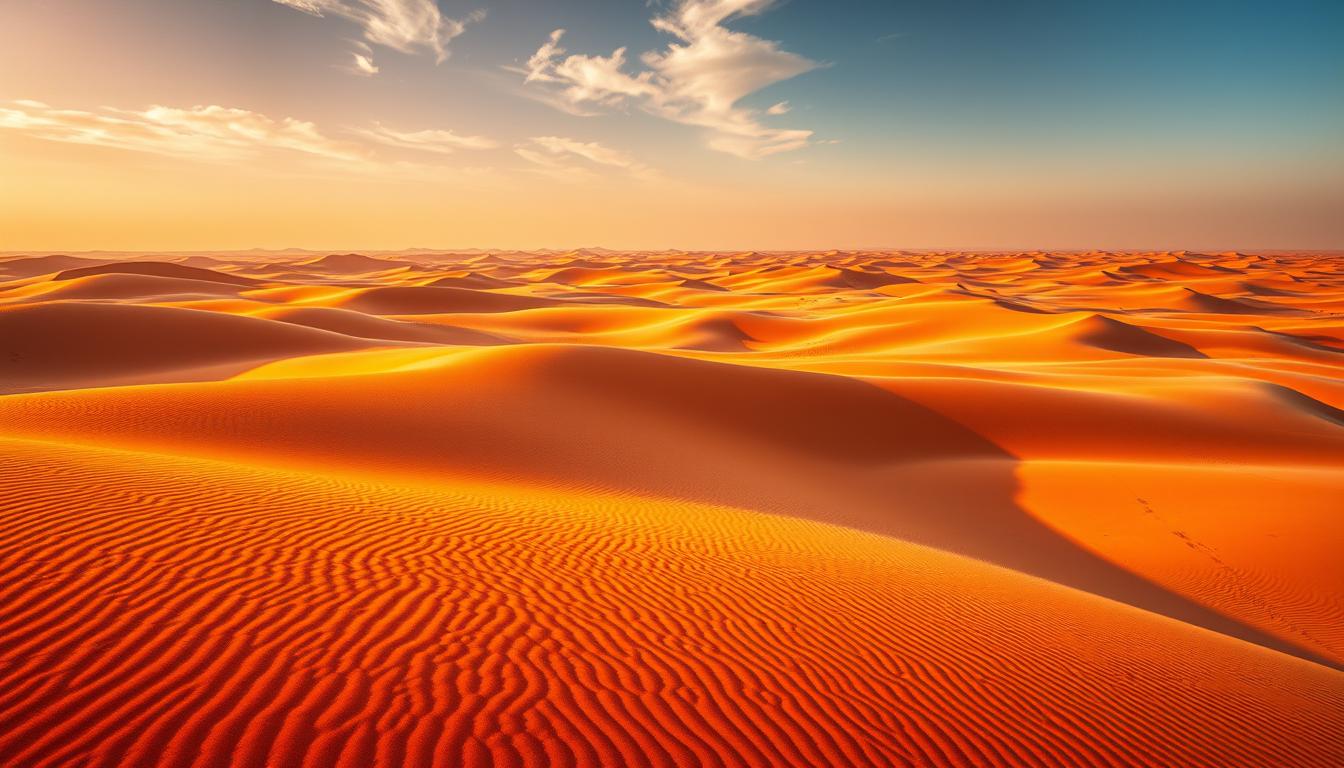
You step out before dawn, and the desert greets you with a hush. To your left, the dunes glow a deep ember red; to your right, a sweep of pale gold catches the first light. In that quiet moment, you feel the pull of two worlds at once—both beautiful, both wild, both asking you to choose your path.
This Red Sand vs Golden Sand Areas – Sharjah Desert Comparison is your guide to that choice. You want safer lines, better traction, and views that stay with you long after the ride. You also want truth—how iron-oxide reds in central and northeast Sharjah differ from quartz-bright golden belts, and why that matters for heat, visibility, and the photos you bring home.
As you plan your Sharjah desert travel, you will see how wind shapes each dune face, how shade plays with color, and how timing can turn a simple outing into a memory. If you’re eyeing UAE desert tours, or a hands-on day with Desert Buggy Rental Dubai, this Sharjah Desert Comparison helps you read the sand like a map. You get clear, practical steps to prepare well and move with confidence.
When you are ready to ride, you can book the experience that fits your pace and skill—dune buggies, quads, sunrise calm, or the glow of dusk. For details or to reserve anytime, contact Desert Buggy Rental Dubai at +971 52 440 9525 or [email protected].
Key Takeaways
- Red dunes rich in iron oxide offer bold color and different heat and traction than quartz-dominant golden sands.
- Wind, slope angle, and grain size shape ride comfort, stability, and the lines you can safely choose.
- Sunrise and sunset boost contrast for navigation and photos; midday light favors bright golden tones.
- Plan Sharjah desert travel with weather and wind alerts to manage visibility and surface temperature.
- UAE desert tours and Desert Buggy Rental Dubai provide tailored routes for skill levels and time of day.
- Pack breathable layers, closed shoes, eye protection, and extra water for both terrains.
- Book 24/7 to match your schedule and secure guided support for safer, more scenic rides.
Sharjah Desert Sands Analysis: What Sets Red and Golden Dunes Apart
You can read the desert by looking at its colors and shapes. This analysis compares the tones, textures, and dune morphology of red and golden dunes. It helps you plan your desert adventure, from routes to gear.
Geological origins of red and golden sands
Red dunes come from ancient sandstones and feldspar-rich beds. These break down into fine grains over time. Hematite and goethite coatings give them a warm rust color.
Golden dunes are made of quartz-rich sands. These sands come from the Arabian Shield and Persian Gulf. Winds carried them inland, creating wide fields with bright crests.
Mineral content and iron oxide influence
Iron oxide in UAE sands makes them look deeper red. This also affects how much heat they absorb in the sun. Moisture can make some areas firmer.
Golden sands reflect more light because they have less coating. This keeps them looking straw-to-honey colored. Some minerals can darken streaks between dunes, making them stand out.
How wind patterns shape dune textures
Winds shape the dunes into barchan and seif forms. Strong winds smooth out golden crests. This makes them easier to follow.
Red dunes can get slippery after rain. This changes how you move on them. The frequency of gusts affects the dunes’ texture, making some areas more comfortable to travel.
Red vs Golden Sand Features for Adventure Seekers
You read terrain by feel and by color. In Sharjah, the Red vs Golden Sand Features shape how you ride, brake, and plan your lines. Use these insights to match your pace with the surface and apply desert safety tips UAE before each outing.
Traction, softness, and slope stability
On red dunes, iron-oxide coatings and mixed grains boost mechanical bite. You get strong pull on climbs, yet the lee side can collapse fast. Manage throttle and be ready to float the front.
Golden dunes feel finer and free-flowing. They reward steady momentum and light steering. Keep speed smooth to prevent bogging and respect slope stability dunes near crest lines.
In both terrains, slip faces approach the angle of repose. After humidity or a light shower, red crests may crust and hold shape longer. Track marks can mislead, so confirm firmness before committing to a drop for safer dune traction Sharjah.
Heat retention and surface temperature differences
Darker red sands absorb more midday heat. Expect a few extra degrees on the surface, which changes how your tires conform. A minor PSI reduction can stabilize footprint and help with dune traction Sharjah.
Golden sands stay slightly cooler and can feel looser in the afternoon breeze. Hydrate on a set schedule and shade your stops. Pack extra water and follow desert safety tips UAE when temperatures spike.
Visibility and contrast for safer navigation
Under harsh noon sun, golden crests can wash out. Polarized eyewear restores edge definition and helps you read ripples from a distance.
Red ridges hold stronger contrast through more sun angles, aiding ridge calls and route picks. At last light, both hues flatten; run flags, switch on lights, and cut speed—core desert safety tips UAE for evening returns.
| Aspect | Red Dunes | Golden Dunes | Practical Takeaway |
|---|---|---|---|
| Grip and Feel | Higher bite; sudden sink on lee sides | Smoother flow; momentum sensitive | Blend throttle control with early weight shifts for reliable dune traction Sharjah |
| Slope Behavior | Crust can form after humidity or light rain | Faces stay free-flowing and clean | Test firmness at crests to gauge slope stability dunes before descents |
| Heat and Tires | Warmer at midday; favors slight PSI drop | Cooler; may feel looser late day | Adjust tire pressure and hydration routines; follow desert safety tips UAE |
| Visibility | Stronger tonal contrast in varied light | Washout risk at noon without polarizers | Use polarized lenses and flags to maintain clear reads of crests |
Desert Landscape Contrasts You Can See at Sunrise and Sunset
At sunrise, the Sharjah sunrise dunes come alive. The sun’s rays highlight ripples and turn red dunes into a fiery glow. Golden slopes turn amber, with sharp shadows that guide your gaze.
By sunset, the scene changes dramatically. The sunset desert views turn red sands into warm hues. Shadows take on a blue-violet hue, perfect for capturing silhouettes of hikers or camels.
For the best shots, aim for side light on the dunes. This reveals their texture. Climb to higher points for clear views and let clouds add warmth to your photos. A light dust haze can enhance colors.
Mornings are cooler, with firmer sand underfoot. Evenings are warmer, ideal for a Desert BBQ Dinner. These moments offer unique Desert Landscape Contrasts.
| Time | Color Shift | Shadows | Best Angles | Use Case |
|---|---|---|---|---|
| Sunrise | Red dunes: copper–crimson; Golden dunes: pale amber | Long, high contrast lines | Side-lit windward face; crest-level framing | Texture studies on Sharjah sunrise dunes |
| Sunset | Red dunes: deep russet; Golden dunes: honey–bronze | Violet-blue tint enhances depth | Backlit ridges for silhouettes; sweeping horizons | Dynamic vehicle runs and sunset desert views |
| Clouds & Haze | Cirrus adds warm reflectance; dust amplifies color wash | Softer edges with layered gradients | Elevated vantage to avoid foreground clutter | Moody golden hour dunes with gentle tonal roll-off |
Sand Color Variations in Sharjah Desert: Science and Aesthetics
As the light changes, the dunes shift from copper to honey. This change is real, thanks to color science dunes and Sharjah Desert Sands Analysis. Use these changes to plan your photos and understand the terrain better.
Why red sands appear richer after rainfall
After rain, water coats iron-rich grains. This water reduces surface scattering and increases absorption, making reds look cleaner. The rain also slightly compacts the sand, sharpening glints at dawn.
Shooting after a rain shower makes the Sand Color Variations in Sharjah Desert stand out. Field notes and Sharjah Desert Sands Analysis show that moisture enhances color while keeping texture sharp for your camera.
Golden hues under midday light vs twilight tones
At noon, the sun makes quartz slopes look pale straw. Contrast drops, and ripples seem flat. Twilight brings warm oranges to golden crests and cooler shadows.
This change is all about color science dunes. Plan your desert photography UAE to capture bright planes at noon and warm, detailed shots at dusk.
Photographic tips for capturing color contrasts
- Shoot RAW to preserve red–gold gradients; bracket to hold sky detail and sand texture.
- Use a circular polarizer sparingly; rotate until glare drops without muting hue.
- Favor side-light at 15–35 degrees to reveal ripples; keep ISO low for fine grains.
- Stabilize during blue hour with a tripod or vehicle mount; pre-focus on crest lines for action.
- Compose with foreground ripples to scale the scene and separate red from golden fields.
| Lighting Window | Dominant Tone Shift | Texture Readability | Recommended Technique | Field Insight |
|---|---|---|---|---|
| Post-Rain Sunrise | Reds deepen; cleaner specular points | High—micro-facets sharpen ripples | RAW + 3-shot bracket; mild polarizer | Leverage Sharjah Desert Sands Analysis to place highlights on iron-rich crests |
| Midday | Golden sands tilt to pale straw | Medium—contrast drops under high sun | Underexpose by 1/3 stop; short lens hood | Apply color science dunes to balance albedo and avoid clipped highlights |
| Golden Hour | Warm oranges with cool-shadow relief | High—ripple edges pop with side-light | Side-light at 20–30°; low ISO tripod setup | Frame for Sand Color Variations in Sharjah Desert across adjacent ridges |
| Blue Hour | Muted reds; subtle amber on high crests | Medium—soft gradients, fine noise risk | Long exposure; expose-to-right; remote release | For desert photography UAE, blend one sky and one sand exposure for precision |
Sharjah Desert Terrain Contrast: Driving and Riding Conditions
When your tires hit the slope, you feel the desert’s contrast. Red dunes are grippy at first but can collapse quickly. Drive smoothly and avoid sharp turns to prevent getting stuck.
Golden dunes are perfect for flowing lines and steady speed. Keep moving smoothly over soft areas and crest at a slight angle. This is great for long rides in the UAE, where you manage heat and traction.
Pressure matters. For buggies and quads, use 8–12 PSI tires based on load and heat. Check pressure often as it rises with temperature. Always carry flags, radios, and recovery gear, and never enter a blind bowl alone.
Wind can create hidden dangers after a shamal. Approach crests carefully, stop short, and check the descent on foot if it’s unclear. These steps help keep your path clear and exits open.
For sandboarders, golden sands are faster and smoother, ideal for long turns. Red sands are slower and more controlled, great for beginners. This lets you learn while observing the desert’s contrast.
For more on 4×4 techniques and safety, check out this guide on red dune bashing. It helps you prepare for UAE off-road conditions and plan better routes.
| Surface Type | Driving Feel | Tire PSI (Buggy/Quad) | Crest Strategy | Sandboarding Conditions | Risk Watchouts |
|---|---|---|---|---|---|
| Red Dunes | Grippy on approach; abrupt slip-face collapse if you oversteer | 8–10 PSI light load; 10–12 PSI with passengers | Feather throttle, avoid sharp turns near edges | Slower, more control for learners and tighter turns | Soft lips and hidden drop-offs after shamal gusts |
| Golden Dunes | Smoother flow; rewards momentum and angled crests | 8–9 PSI for float; add 1 PSI as noon heat rises | Maintain speed over saddles; crest at an angle | Faster runs with longer glide and lower friction | Heat-driven pressure spikes and soft bowls with poor visibility |
| All Terrains | Plan lines early; keep escape routes open | Check every 30–45 minutes in peak heat | Scout blind crests on foot; use a spotter | Pick slope length to match skill and board wax | Carry flags, radios, tow straps, and recovery boards |
Red Sand vs Golden Sand Areas – Sharjah Desert Comparison
Knowing where red and golden belts start lets you read the land fast. This guide helps you pick the best routes, times, and spots to view. It ensures a safe, rewarding drive and helps protect fragile habitats.
Map overview and popular access points
Red-sand areas are near Al Faya and Al Badayer, by Fossil Rock and Big Red. These spots are on the Sharjah–Dubai edge. Graded tracks from the E44 and E55 offer easy access, perfect for weekend drives and tours.
Golden stretches are found east and southeast, towards Al Madam and the Hajar foothills. Marked entry points and fuel stops along highways make longer trips easier.
Best seasons and times to visit each terrain
November to March is the best time for long desert rides and clear photos. Daytime temperatures are 18–28°C, making it ideal for exploring.
In summer, start early or late, stay hydrated, and keep trips short. After rain, red dunes look deeper and firmer. Golden sands are best in calm mornings, with sharp ripples and easy crests.
Wildlife and vegetation you may encounter
Look for signs of desert wildlife UAE, like Arabian gazelle tracks and desert larks. Spiny-tailed lizards often bask near burrows.
Interdunes are home to Salsola shrubs and desert grasses. Avoid driving over these areas. Protecting spots like Fossil Rock helps prevent erosion and disturbance.
Sand Dunes Comparison for Motorsports and Guided Tours
When picking Sharjah routes, think about skill, speed, and views. This guide helps match terrain to your goals. Whether you like fast climbs or slow tours, it keeps safety in mind.
Choosing dune heights and gradients for skill levels
Begin on golden dunes with gentle slopes. They’re perfect for beginners and family tours. You’ll learn balance and braking here.
For those ready, move to medium red dunes. They’re firmer and allow for side-sloping. You’ll practice reading shadows and managing drift.
Experts can tackle tall crests and mixed ridges. These require precision and finesse. They’re great for technical drills while staying safe.
Route planning for mixed red–golden circuits
Combine terrains for a balanced day. Start with golden dunes, then tackle red segments for skill. Finish on golden flats for fun cruising.
Plan routes with the wind in mind. Ride back with a tailwind to save fuel and avoid ruts. Use GPS for quick support vehicle access.
For group rides or tours, pace by ability. New riders take golden lines, while experts tackle red spurs. Meet at known crests.
Safety gear and briefing differences by terrain
Briefings highlight risks on red faces and soft golden fields. Review convoy order and dust spacing. This is key for safety in UAE motorsports.
Bring helmets, goggles, gloves, and more. Check your bike before riding. Use radios and flags for safety.
Use lead and sweep roles with gaps. Call hazards early and confirm crests. Adjust your plan as needed.
Experience Options with Desert Buggy Rental Dubai
Choose your ride on the Sharjah dunes, from deep red ridges to golden swells. Desert Buggy Rental Dubai lets you pick your pace, terrain, and time. Guides handle the route, safety, and gear. Book anytime at +971 52 440 9525 or [email protected], for private or group tours.
Guided quad bike desert tour details include what’s included, pickup, and flexible extras for a great day in the dunes.
Dune Buggy Tours and Quad Biking Tours on varied sands
Dune Buggy Tours offer roll-cage safety and stable power for tall slipfaces. Quad Biking Tours are for those who want agile steering and solo control on mixed red–golden routes. Every session starts with a safety briefing and includes helmets, gloves, and guidance.
Match your skill level to the terrain. Red belts have sharp crests and punchy climbs, while golden corridors are for longer, flowing lines. Both formats allow for route adjustments on the fly, helping you build skill without losing excitement.
Morning Desert Safari vs Evening Desert Safari choices
A Morning Desert Safari offers cooler air, firmer sand, and crisp light for photos. It’s perfect for learning throttle control and reading ripple lines before the surface gets crowded.
An Evening Desert Safari provides warm tones, softer sand, and relaxed pacing as the sun sets. You can enjoy twilight laps and then a mellow ride back to camp for a memorable end.
Sandboarding, Camel Ride, and Desert BBQ Dinner add-ons
Sandboarding lets you test edges and speed on safe gradients. A Camel Ride offers a quiet break that connects your day to traditional desert travel.
Finish with a Desert BBQ Dinner under the stars, featuring regional dishes after sunset. Add-ons fit smoothly into both formats, whether you ride at dawn or enjoy golden-hour glow.
| Experience | Best For | Key Perks | Typical Start | Notes |
|---|---|---|---|---|
| Dune Buggy Tours | High power on steep red slipfaces | Roll cages, harnesses, steady handling | Morning or evening | Great for pairs seeking stability |
| Quad Biking Tours | Solo control on mixed golden corridors | Agile turns, responsive throttle | Morning or evening | Ideal for skill building |
| Morning Desert Safari | Cool temps and firm sand | Sharper ripples, fewer tracks | After sunrise | Stronger visibility for photos |
| Evening Desert Safari | Sunset color and softer carving | Golden light, relaxed pace | Late afternoon | Pairs well with BBQ dinner |
| Sandboarding | Adrenaline without engines | Curated slopes for safe runs | Flexible | Good between ride sets |
| Camel Ride | Cultural pause | Quiet route with views | Flexible | Short, family-friendly |
| Desert BBQ Dinner | Post-ride wind-down | Regional dishes under the stars | After sunset | Popular with private groups |
Photography, Culture, and Eco-Ethics in Sharjah’s Deserts
Photography guidelines Sharjah begin with timing and distance. Shoot during the first hour after sunrise and the last hour before sunset. This avoids harsh glare and captures Desert Landscape Contrasts beautifully.
Use a telephoto lens for wildlife to avoid disturbing them. When approaching another photographer, pause below the ridge. Check the wind and step softly to keep the area undisturbed.
Always respect cultural etiquette UAE when exploring the desert. Dress modestly and keep your voice low. Always ask for permission before taking portraits and follow Sharjah’s public conduct rules.
If you plan to fly drones, make sure to follow UAE General Civil Aviation Authority rules. Avoid flying over sensitive areas or gatherings.
Follow desert eco-ethics at every stop. Stay on designated paths and avoid sensitive areas. Use sand-safe drip trays to prevent spills and pack out all trash.
Limit engine idling to reduce noise and emissions. Secure recovery points to protect both the vehicle and the desert plants.
For the best shots, meter for highlights and shoot in RAW. Then, refine your images in Lightroom or Capture One. Use a polarizer and graduated ND to balance the sky and sand.
For more tips on composition and safety, check out this guide: desert photography essentials.
At night, be careful not to disturb wildlife. Park away from burrows and use red lights. Track footprints to avoid trampling. These tips ensure your photos tell a story without harming the desert.
Planning Your Trip: Logistics, Weather, and Booking Tips
Start with a smooth plan, clear paths, and the right gear. Match your UAE desert trip with the Sharjah Desert’s contrast you want to see. Always check the weather and wind alerts before you go. And, have a backup plan with 24/7 booking desert tours for any last-minute changes.
What to wear and pack for red vs golden sand areas
Wear breathable clothes, a neck gaiter, and boots with ankle support. Don’t forget light gloves for hot controls and UV-protected sunglasses. For golden dunes, use polarized lenses to see through glare. For red sand, choose light, breathable clothes that keep you cool.
- Hydration: Bring 2–3 liters of water per person in the morning; carry more for the afternoon. Add electrolyte tablets.
- Protection: Use sunscreen SPF 30+, lip balm, and a compact first-aid kit.
- Extras: Carry a power bank, microfiber towel, and zip bags to keep sand out.
This kit helps you stay safe and reach your desert goals, no matter the color of the sand.
Weather patterns, wind alerts, and visibility checks
Check the National Center of Meteorology for weather updates. Avoid driving when visibility is low. Early mornings are usually calmer, but afternoons can get windy and soft.
- Adjust tire PSI and engine cooling based on temperature changes.
- Check for sand ridges and slip faces after gusts.
- Set alerts for weather and wind updates before and during your trip.
Stay alert to changes in light and sand firmness, important for navigating the desert’s contrasts.
How to book 24/7 and coordinate group requirements
Book your desert adventure 24/7 with Desert Buggy Rental Dubai at +971 52 440 9525 or [email protected]. Share your group’s size, skill levels, and preferred terrain. Mention any extras like sandboarding, Camel Ride, or a Desert BBQ Dinner.
- Plan hotel pick-ups, guide ratios, and dietary needs in advance.
- Confirm GPS meeting points and share your location as you approach.
- Have a backup time slot for weather and wind updates.
This way, your desert trip planning will match the Sharjah Desert’s terrain, ensuring a smooth and enjoyable experience for your group.
Conclusion
Mineral content, wind, and light create two unique areas in Sharjah’s dunes. Red sands offer strong traction for technical climbs and vibrant colors at dusk. Golden sands are perfect for smooth sandboarding and clear midday views.
These differences affect how hot the sand gets, how well you can see, and your route planning. Whether you’re riding or taking photos, each area requires a different approach.
On red sands, manage your speed and tire pressure for better control. On golden sands, focus on speed and smoothness. The changing light affects your shots and how you navigate the terrain.
For a safe and fun day, consider a customized tour with Desert Buggy Rental Dubai. They offer a variety of activities, including dune buggy tours, quad biking, and desert BBQs. Call +971 52 440 9525 or email [email protected] to plan your adventure.
Remember, balance your skills with the terrain, watch for temperature changes, and use light to guide you. With the right plan, you’ll enjoy better rides, clearer photos, and a seamless journey from red to golden sands.
FAQ
Where in Sharjah can you find the reddest dunes versus the golden-sand fields?
Look for the red-sand belts around Al Faya and Al Badayer near Fossil Rock. Big Red is along the Sharjah–Dubai border. Golden-sand areas are broader towards Al Madam and the Hajar foothills. Access is easiest from the E44 and E55 corridors via marked desert entry points and service stations.
What makes Sharjah’s red sand different from its golden sand?
Red sand has thin coatings of iron oxides, making it darker and hotter. Golden sand is richer in quartz, reflecting more light and showing straw to honey tones. These differences affect traction, surface temperature, and how the dunes look throughout the day.
How do wind patterns shape dune textures in red and golden sand areas?
Shamal winds and seasonal breezes shape barchan and seif dunes. Strong winds make golden fields smoother and faster. Red zones develop firmer crusts after dew or light rain, changing grip and slip-face behavior.
Which terrain offers better traction for dune buggies and quad bikes?
Red sand offers more grip on ascents due to mixed grain size and oxide coatings. Golden sand flows more freely and rewards smooth, consistent momentum. Both have slip faces around 32 degrees, so approach crests at an angle and avoid sharp turns near edges.
Are surface temperatures different on red dunes vs golden dunes?
Yes. Darker red sands absorb more radiation and often run hotter at midday. Lower tire PSI slightly on hot afternoons to maintain grip and plan extra hydration. Golden sands stay cooler and brighter, ideal under high sun.
How does visibility differ when navigating the two dune types?
Golden dunes can wash out under harsh midday light, making ridge lines harder to read. Polarized eyewear helps restore contrast. Red dunes keep stronger tonal separation across more sun angles, aiding ridge reading. Near dusk, both terrains flatten, so use flags, lights, and conservative speeds.
What are the best times for photography in red and golden sand areas?
Sunrise rakes ripples and turns red dunes copper to crimson while golden dunes glow pale amber. Sunset deepens reds to russet and shifts golden dunes to honey and bronze with cool violet shadows—great for silhouettes and action frames. High cirrus clouds add drama; light dust haze softens contrast but enriches color wash.
Why do red sands look richer after rainfall?
Thin water films reduce surface scattering and enhance iron-oxide absorption, so reds appear more saturated. Post-rain compaction also aligns micro-facets, sharpening highlights at low sun angles. It’s an ideal window for vivid images and firmer surfaces.
What camera settings help capture red–golden contrasts?
Shoot RAW, bracket exposures, and use a circular polarizer sparingly to tame glare without muting color. Favor side-light with a sun angle around 15–35 degrees to reveal ripples. Keep ISO low and stabilize your shot during blue hour. Pre-focus on crests for action; include foreground ripples for scale.
How should you adjust driving technique between red and golden sands?
On red dunes, apply smooth throttle and avoid tight turns near slip faces to prevent sudden collapse. On golden dunes, maintain steady momentum over soft saddles and crest diagonally to reduce digging. Watch for cornices after strong shamal events and scout blind bowls on foot.
What tire pressures work for buggies and quads in Sharjah’s dunes?
For most dune buggies and quad bikes, 8–12 PSI is a practical range depending on payload and heat. Check PSI often, as rising temperatures increase pressure. Adjust slightly lower on hotter red sands to keep a consistent footprint.
Is sandboarding faster on red or golden dunes?
Golden sands tend to ride faster due to lower friction, ideal for speed. Red sands offer a touch more control at slower speeds, which can suit beginners learning edge control and balance.
Which seasons and times of day are best for visiting?
November through March brings cooler air—often 18–28°C—clearer skies, and longer sessions. In summer, plan dawn or late-afternoon rides, shorten circuits, and hydrate well. After rain, red dunes are more saturated and firmer; calm morning winds sharpen golden-sand ripples.
What wildlife and vegetation might you encounter?
You may spot tracks from Arabian gazelles, desert larks, wheatears, and spiny-tailed lizards near burrows. Interdunes host salt-tolerant shrubs such as Salsola and desert grasses. Avoid driving over vegetated patches to limit erosion and respect protected zones near Fossil Rock.
How do you plan a mixed red–golden circuit for motorsports?
Start on open golden approaches for a warm-up, move into red dunes for technical climbs and side-sloping practice, then finish on golden flats for fast, flowing lines. Plot loops with the wind so you return with a tailwind on softer afternoon surfaces.
What safety gear is essential for dune riding?
Wear DOT/ECE helmets, goggles, gloves, boots, long sleeves and pants. Carry flags, VHF/FRS radios, recovery straps, compressors, shovels, traction boards, a first-aid kit, and whistles. Pre-ride checks include tire PSI, wheel torque, fluids, and kill-switch function. Use lead–sweep convoy roles and staggered spacing to avoid dust collisions.
What should you wear and pack for red vs golden sand areas?
Choose breathable long sleeves, ankle-support boots, and light gloves. Bring 2–3 liters of water per person for mornings, more for afternoons, plus electrolytes, SPF 30+ sunscreen, and lip balm. On warmer red sands, favor moisture-wicking layers; on reflective golden dunes, polarized sunglasses improve contrast.
How do you check weather, wind, and visibility before a ride?
Review National Center of Meteorology updates for shamal events, dust advisories, and visibility changes. Mornings are typically calmest. As temperatures rise after midday, sand softens and gusts increase. Monitor heat to manage PSI and engine cooling.
How can you book Dune Buggy Tours or Quad Biking Tours 24/7?
Contact Desert Buggy Rental Dubai any time at +971 52 440 9525 or [email protected]. Share your group size, skill levels, preferred terrain—red, golden, or mixed—and add-ons like sandboarding, Camel Ride, and Desert BBQ Dinner. You can request private guides, corporate setups, and custom itineraries.
What eco-ethics should you follow in Sharjah’s desert?
Stay on established tracks when possible, avoid vegetated interdunes, and pack out all waste. Minimize idling to cut noise and emissions. Use drip trays during long stops and secure recovery points to protect chassis and shrubs. Follow UAE General Civil Aviation Authority rules for drones and limit light and sound near wildlife corridors.
How do red and golden dunes compare for photography at midday?
Under high sun, golden sands can skew pale straw with higher albedo, so expose carefully and use a polarizer lightly. Red dunes keep stronger tonal separation but run hotter. For both, mid-morning and mid-afternoon side-lighting adds texture without harsh shadows.
What are the main differences in dune forms you’ll encounter?
Expect barchan dunes with distinct horns under steady winds and seif (longitudinal) ridges where wind shifts seasonally. Ripple spacing ranges roughly 1–20 cm, and slip-face angles often sit between 30 and 34 degrees. Interdune hardpans appear more often in red belts after moisture events.
Can beginners and advanced riders both enjoy Sharjah’s dunes?
Yes. Beginners can build confidence on lower, rolling golden dunes with gradual windward faces. Intermediates benefit from medium red dunes with reliable grip for side-sloping. Advanced riders can target taller crests near Al Badayer and mixed seif ridges for technical climbs and bowls.
What are your options with Desert Buggy Rental Dubai?
You can book Dune Buggy Tours and Quad Biking Tours tailored to red or golden sands, Morning Desert Safari or Evening Desert Safari, plus sandboarding, Camel Ride, and Desert BBQ Dinner. Reach Desert Buggy Rental Dubai at +971 52 440 9525 or [email protected] to plan your Sharjah Desert Terrain Contrast adventure.
Categories
- Quad Bike Rental (1)
- Desert safari (1)
- Hot air ballon (2)
- dirt bike (4)
- Uncategorized (4)
- Desert Buggy Rental (2,218)
- Dune buggy (4)
Recent Post


Tags
Actor's Family Fortune Adventure travel restrictions Affordable used cars Animal experience Dubai Banned Substances Beach Buggy Exploration Best desert safari deals Best safari experiences Budget-friendly desert safaris Camel riding attire Customer profiling Desert safari Dubai prices Desert weather conditions Dubai car expenses Dubai Desert night chills Dubai Desert Safari excursions Dubai fashion norms Dubai hot air balloon ride duration Dubai luxury car reselling Dubai Mall tourist experiences Dubai weekend activities Dune Buggy Safety Extreme heat in Dubai Family-friendly public transport Fast off-road vehicles Female attire in the UAE Footwear etiquette in Dubai Four-Wheeler Comparison Health Conditions and Desert Safari Importing cars to Dubai Islamic influences in Dune Islamic Themes in Dune Luxury car hire Dubai Maximum People in Dune Buggy Money-saving tips for Dubai Off-road safety Quad Bike Performance Religious freedom in Dubai Safari clothing tips Soft Adventure Desert Safari Sudden Nausea Symptoms Three-year-old transportation Travel convenience Traveling with children Wildlife experiences