

- 370 Views
- 28 Min Read
- (0) Comment
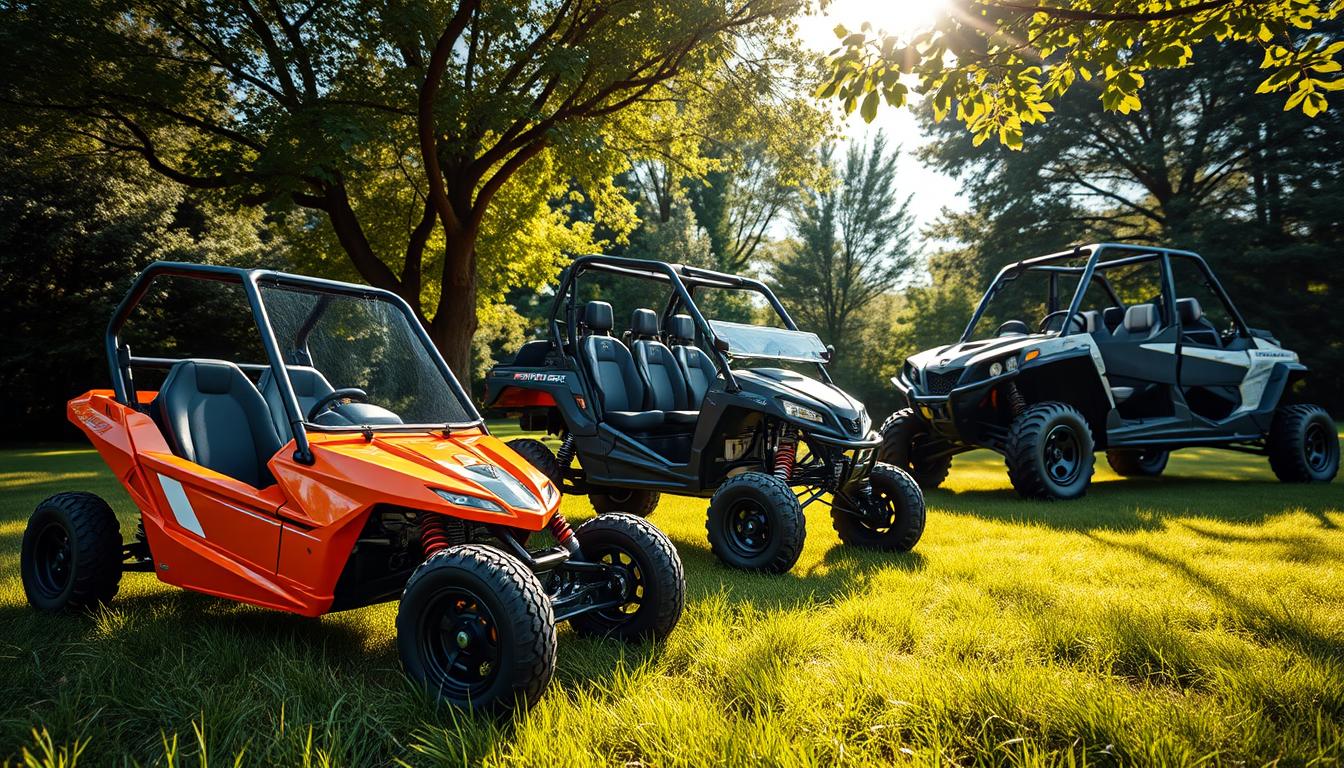
The excitement starts when you face the open sand. Golden light shines, the engine hums softly, and you have to make a choice. Will it be a solo adventure across Al Qudra? Or maybe you’re planning to take friends to Dubai’s Big Red dunes? This guide helps you pick the right buggy, based on how you want to ride and with whom.
Choosing an off-road buggy is not only about how many people it can hold. It’s about handling, comfort, and staying safe on various terrains. The perfect dune buggy offers good power for climbing, stability, and a smooth ride. A 1-seater focuses your experience, a 2-seater offers fun with a friend, and a 4-seater makes memories for groups.
We’ll take you through choosing the best buggy for UAE’s lands. You’ll learn what to check before renting: how it handles in sand, its clearance for hill climbs, the right tires, and necessary safety gear. By the end, you’ll find choosing between a 1-seater, 2-seater, or 4-seater buggy easy. Your adventure goals will guide your decision.
Key Takeaways
- Your choice starts with how you ride: solo precision, paired balance, or group adventure.
- Match buggy size to terrain: soft dunes demand power-to-weight and float; trails reward control.
- Focus on essentials: torque in sand, suspension travel, wheelbase, and ground clearance.
- Tires matter: paddles for steep faces, all-terrains for mixed routes around Al Qudra.
- Safety first: roll cage integrity, harness fit, helmets, and visibility at low sun.
- Use a practical checklist before booking with Desert Buggy Rental Dubai to avoid guesswork.
Understanding Off-Road Buggy Types for UAE Terrains
The UAE’s varied landscapes like sand dunes, wadis, and graded tracks require you to choose an Off-road buggy wisely. The right choice should include considerations for tires, cooling systems, and gearing. These factors help maintain momentum in the sand and provide steady driving on rocky terrains. The ultimate aim is to achieve smooth handling, efficient cooling, and stable control in the desert’s challenging conditions.
What defines a 1-seater, 2-seater, and 4-seater buggy
A 1-seater buggy is designed to be lightweight and narrow. This design benefits from quick feedback from the terrain. It’s especially useful on steep dunes where you need precise control.
A 2-Seater offers space for a passenger without significantly increasing weight. It’s a bit wider, which improves stability. At the same time, it retains quick steering for an adventurous ride together.
With a 4-Seater, there’s more room for family or friends. This type is longer, making it steadier on straight paths. However, navigating tight spaces might be a bit harder.
Key differences between dune buggy and trail-focused buggies
Dune buggies are equipped with special tires and have a long-travel suspension. They also feature high airflow cooling to handle sandy and steep terrains easier. Their design allows for skimming over thin ridge lines without getting stuck.
Trail-oriented buggies have tires suited for different terrains, quick steering, and protective gear for the underside. This setup is best for navigating through rocky paths and ensures continuous traction.
Best buggy for trails vs open dunes
In vast sand areas like Al Badayer, a smaller Dune buggy is ideal. Their design allows for better handling over the dunes. This makes riding over the desert waves smoother and more fun.
For places with diverse terrains like Al Qudra or Sharjah, opting for a 2-Seater or 4-Seater makes sense. These buggies are well-equipped for various challenges. They are built to endure heat and rough terrains, ensuring an enjoyable adventure.
Tip: Match tire type, wheelbase, and cooling to the day’s plan, then set pressures for sand consistency before you roll out.
How to Choose the Right Buggy: 1-Seater vs 2-Seater vs 4-Seater
Choosing the right buggy depends on your needs, friends, and the UAE’s landscape. Think about what you need every day and what you dream about for the weekend. Look at different Buggy features, check their core specs, and consider how you’ll transport and park them. This guide is all about finding the perfect Buggy: 1-Seater, 2-Seater, or 4-Seater.
When to pick a 1-seater for solo performance
Pick a 1-seater if you want tight control and smooth jumps. Its power lets you tackle soft sand easily and keep your moves sharp.
This choice is great for those who love controlling the speed and path on steep slopes. Check out Buggy features like sport seats and selectable drive modes. Also, review the Buggy’s power, weight, and size.
Why a 2-seater balances comfort and agility
A 2-seater buggy means you can have fun with a friend and not lose any excitement. It’s perfect for medium dunes and mixed paths, with comfy seats and a soft ride.
Look at the buggy’s suspension, seat design, and where you can store things. Find features like shock adjusters and grab handles to make longer trips easier for both of you.
How a 4-seater maximizes family and group experiences
Choosing a 4-seater means more room and stability for dune trips. Your friends or family can join in, and its design helps on fast, open tracks.
Check its size and how it turns, as narrow spots need extra planning. Look for safety features, roof choices, and places for your things to ensure a smooth and organized trip.
Think about where you usually drive—like Al Fayah’s dunes or the paths around Hatta. Then, find the Buggy that matches your activities. Consider what works best for your fun, comfort, and practical needs like trailer space, parking, and your budget.
Buggy Comparison: Performance, Power, and Handling
This Buggy comparison looks at the way power, suspension, and shape give you control on UAE dunes. Use these specs to match your Off-road buggy to the land and how many people you bring, from riding solo to taking the family.
Engine power and torque considerations in sand
Soft sand needs torque at low to mid revs. Turbocharged two- and three-cylinder engines and naturally aspirated twins with great CVTs help keep moving up steep dunes.
Look for fine throttle control, strong belt materials, and good clutch cooling for heat. These Buggy features cut down on belt slip and keep you on top of the sand instead of digging in.
Polaris RZR and Can-Am Maverick X3 options with smart boost stay strong when leaving sand bowls. Match the engine’s power to how many people are riding; more passengers means needing more power for uphill.
Suspension travel and shock setup for dunes
In the dunes, 14–20 inches of suspension travel with dual-rate springs soften bumpy rides and landings. Adjustable features let you tweak settings for cool mornings or hot afternoons.
Remote-reservoir shocks prevent overheating during long drives. Add sway bar adjustments and smart bump stops for better control on uneven ground and to keep the front end steady.
Set suspension based on your load. A heavier four-seater needs stiffer settings than a lighter two-seater. This smart Buggy comparing gets you ahead.
Wheelbase and turning radius for technical sections
Wheelbase is key. Shorter vehicles turn quickly in tight spots and handle steep drops better. But, longer ones go straighter at high speeds and are better for groups, though they require bigger turns.
A tight turning circle makes turning easier without making ruts. Electronic power steering lessens how tired your arms get from sharp turns and helps keep your focus.
Think about size and how the Buggy steers. Check seating setups and how it carries weight in this buggy capacity guide to pick your Off-road buggy based on real specs and your favorite trails.
Safety Features That Matter in the Desert
In the desert, dealing with heat, glare, and shifting sand means you need the right buggy features. A Dune buggy designed for UAE dunes should offer stability, visibility, and safety. For more info on safety and stability, check out this brief on buggy safety in desert.
Roll cages, harnesses, and helmets
Choose a buggy with a certified roll cage made of strong steel. It should have bracing for extra support. Use 4- or 5-point harnesses with features that keep you in place on steep slopes.
Always wear a helmet that meets DOT or ECE standards. Wear goggles or a visor to protect against sand. These features make driving a dune buggy safer and more fun.
Braking systems and stability aids
Ventilated disc brakes cool down quickly during long slopes. A well-balanced braking system helps on uneven ground. With a CVT-equipped buggy, special tuning helps you slow down smoothly on sand.
Choosing between 2WD and 4WD and having a locking rear differential improves traction. Being able to adjust traction control lets you handle different terrains easily.
Lighting, flags, and visibility in low sun and night rides
LED light bars help you see through dusk. Amber lights make your buggy stand out in dust clouds. A flag on your buggy makes it visible over dunes to prevent surprises.
Bring a kit with a tow strap, fire extinguisher, first-aid supplies, and water. Also, consider adding GPS or a communicator for safety beyond cell range. With these features, your off-road buggy stays ready for anything.
Comfort and Ergonomics for Long Rides
Every sand ripple feels intense in an off-road buggy, so little things can affect your ride time. Check out this short guide to ensure comfort without losing the thrill of speed. The features discussed here keep you going strong from dawn till dusk.
Seat design and adjustability for different body types
Choose seats that adjust to you, with firm side supports and back care. Seats that move and straps that fit just right make posture perfect. And they make sure you’re strapped in smoothly.
Adjust the steering to your arm’s length and pedals to keep your heels comfortable on inclines. You want breathability in your seat and some shade above to stay cool when it’s hot.
Vibration damping and rider fatigue
Quality mounts and a good steering damper keep your ride smooth on rough sand. Adjust tire air to suit the ground and keep the tires good as new.
Choose soft hand grips, comfy harnesses, and easy-switch controls to ease the long rides. These smart choices help your buggy go straight, keeping your arms from getting tired.
Storage options for water, gear, and essentials
Think ahead for long trips. Have places to secure water, safe spots for electronics, and hooks for your gear. And make sure your water is easy to grab and gear is placed smartly in your buggy.
Picking the right size buggy matters for space and comfort. This comparison between 2- and 4-seaters can help you choose. Use it to find the perfect buggy for your adventure and team.
Buggy Specifications to Check Before You Book or Buy
Looking for a buggy? Make sure it can glide over soft dunes near Dubai and handle rocky trails in Ras Al Khaimah. This guide will help you pick a buggy that’s fun, safe, and easy to control. For adventures on various terrains, find the best buggy that can also sail smoothly over sand.
Ground clearance and approach angles
For a good ride, aim for 12–16 inches of ground clearance. This will help you avoid getting stuck on dune crests. It’s also smart to look for buggies with wide approach and departure angles. This means the front and back of the buggy won’t get caught when climbing or descending slopes.
Think about adding skid plates and A-arm guards for diverse trails. These additions safeguard the buggy’s crucial parts from damage. They’re great for smoothly switching from sandy bowls to gravel paths.
Transmission types: automatic vs manual feel
Most desert buggies have CVT or automatic gearboxes. Look for ones that offer a “manual feel.” This feature gives you better engine control and helps maintain speed in soft sand.
A feature that lets you choose a low range is handy for tough climbs and controlled descents. It allows for better control without needing to constantly brake or stress the belt.
Tire profiles, paddles, and pressure for sand performance
When planning to ride mostly on dunes, choose rear paddle or semi-paddle tires for power. Pair them with ribbed front tires for accurate steering. For different terrains, use all-terrain tires. They have strong sidewalls to prevent tire damage.
Adjust tire pressures to 8–14 psi for sand to help with floating, then increase it for trail rides to safeguard the rims. Always have a portable compressor and a dependable gauge with you. This lets you adjust the setup as needed, ensuring the best experience on both trails and dunes.
This quick checklist covers clearance, angles, transmission type, and tires. Paying attention to these specs will help make your UAE adventures enjoyable and smooth, no matter the terrain.
Budget and Value: Rental vs Ownership in the UAE
Consider a clear Buggy comparison before spending. When you rent from Desert Buggy Rental Dubai, you choose the right buggy size. This choice is for your group and the terrain, without owning it outright. This means no need for storage, registration, or maintenance costs. Plus, you get safety gear, and route planning included which is great for new riders and visitors.
When you own, you make all the decisions. You can change tires, improve the suspension, and add cooling systems for better performance. This option is best for those who ride every week and prefer a custom setup. But, you will have to deal with insurance, regular maintenance, and moving your buggy around Dubai, Abu Dhabi, and Sharjah.
This Buggy buying guide focuses on total costs, not just upfront payments. Look at hourly rental prices versus owning costs like belts, shocks, and tire replacements. Don’t forget extras like harnesses, radios, and lights. In the UAE, consider the cost of summer cooling systems and permits for certain places.
If you only ride a few times a month, renting often offers better value. For those who ride every week and like custom setups for different terrains, buying might be more economical as you ride more. Thing about how you ride: short morning trips, weekend explorations, or lots of practice rounds.
Riders focused on trails usually want stability, good range, and storage space. If that’s you, look for the Best buggy for trails that offer these. For those who prefer the dunes, think about the power-weight ratio and how much the suspension can handle. Then decide if renting or owning better matches your budget and riding style.
| Path | Upfront Spend | Ongoing Costs | Flexibility | Who It Suits |
|---|---|---|---|---|
| Rent with Desert Buggy Rental Dubai | Low | Included in rate | High: pick 1-, 2-, or 4-seater by day and terrain | Visitors, occasional riders, guided groups |
| Own Your Buggy | High: purchase and registration | Insurance, service, tires, belts, clutches, cooling | High: full customization and unlimited access | Frequent riders, mod-focused enthusiasts |
Look at this Buggy buying guide when planning your yearly riding hours. Then, try renting to see if it suits you. If your riding times and skills are steady, think again about buying. Keep the Best buggy for trails in mind if you prefer wadis and firm paths on the weekends. Also, compare it with dune buggies to make sure your choice is right.
Matching Your Experience Level to the Right Buggy
When choosing a buggy, think about your driving skills, the desert’s challenges, and your goals in the UAE. This guide will help you decide on the number of seats, the power, and the right setup for your drives. By matching the correct type of buggy, like a 1-seater, 2-Seater, or 4-Seater, you’ll maintain control and fully enjoy every climb and turn.
Beginner-friendly controls and manageable power
If you’re just starting out, opt for a buggy with less power and an easy-to-use throttle. A 2-Seater is great for learning with someone, like a coach or friend, by your side. Choose features like stability control, low-range gears, and an easy clutch to avoid getting stuck on soft slopes.
Select tires with small paddles and ribbed fronts to keep wheelspin gentle. A 1-seater can also be a good choice for new drivers who prefer a light car and shorter drives. Stick to well-guided paths and choose dunes that are easy to navigate and have clear exits.
Intermediate upgrades: suspension and tires
As you get better, focus on improving your suspension before getting a more powerful engine. Adjustable shocks and dual-rate springs give you control over how your buggy lands and handles. Adjust the ride height to safely navigate sharp dune edges.
When picking tires, match the paddle count to your engine’s power to get over dune crests without slowing down. Ribbed front tires will make steering more precise in uneven sand. A 2-Seater works well for most dunes and shorter rides, while a 4-Seater offers more stability for longer trips with friends.
Advanced riders: high-horsepower and long-travel setups
Drivers with lots of experience can choose buggies with more power, better clutch tuning, and longer suspension for faster rides and bigger jumps. Stronger drivelines and better cooling systems are key for tough, uphill climbs in the hot desert.
A 1-seater is perfect for fast, solo runs, while a 4-Seater is ideal for high-speed adventures with a group. Always keep an eye out for changing dune conditions, choose your path early, and follow the local rules of the dunes. This guide is designed to match the right power and buggy type to your experience level.
| Skill Level | Seat Choice | Power & Control | Suspension Focus | Tire Setup | Ideal Use in UAE |
|---|---|---|---|---|---|
| Beginner | 2-Seater for coaching; 1-seater for short solo runs | Low–mid hp, progressive throttle, stability aids | Stock shocks with basic damping | Modest paddles, ribbed fronts | Guided dunes with gentle slopes |
| Intermediate | 2-Seater for balance; 4-Seater for added stability | Mid hp with responsive but smooth mapping | Adjustable shocks, dual-rate springs, tuned ride height | Balanced paddle count; pressure tuned for float | Mixed dunes and short trail links |
| Advanced | 1-seater for aggressive lines; 4-Seater for fast group runs | High hp turbo, tuned clutching, reinforced driveline | Long-travel, high-speed valving, extended cooling | High-count paddles, precise front ribs | Big faces, steep climbs, rapid transitions |
Best Buggy for Trails vs Dune Riding in Dubai and Beyond
In Al Badayer and Fossil Rock, you’ll want a Dune buggy. It should have paddle tires, a long-travel suspension, and be not too long or short. This setup offers quick throttle response. You can make fast turns and smooth landings.
In Al Qudra and around Sweihan, choose a 2-seater Off-road buggy. It should have all-terrain tires and strong skid plates. This mix ensures you can speed up, stay cool, and feel comfy. The electric power steering and shocks are great for staying on track.
Liwa’s big dunes call for a powerful buggy with a longer body, especially if you’re bringing friends and stuff in a 4-seater. This combo offers more stability for smoother rides. Use paddle tires with low pressure for better climbs and safe downhill rides in sand.
Going to Hatta or rocky areas? Pick the Best buggy for trails. It should have tough tires, beadlock wheels, and firmer shocks to avoid tire damage and stay on course. Gearing and cooling are designed to handle slow crawls and fast runs on gravel.
Your choice depends on how deep the sand is, how tight the bowls are, and if you prefer a light and agile 1-seater or 2-seater, or a stable 4-seater for long adventures.
Booking Tips with Desert Buggy Rental Dubai
You want everything to be simple, clear, and fast. With Desert Buggy Rental Dubai, you can choose a ride that fits your adventure goals and time. Follow the tips below to find the perfect balance of excitement, comfort, and beautiful views.
How to choose service types
If you love the thrill of the sand and want guided tours, Dune buggy experiences are for you. You’ll have an expert showing you the way at a safe pace, on specially chosen paths. The routes are designed for an exciting ride.
If you like the idea of riding an ATV on your own through narrow paths, Quad Biking Tours are a good choice. Book a Morning Desert Safari for cooler weather and fewer people. Or, if you love the sunset and peaceful silhouettes, go for an Evening Desert Safari.
For a personal experience at sunrise or sunset, check out: private dune buggy tours.
Extras to elevate your adventure
Enhance your Evening Desert Safari with a Desert BBQ Dinner. It’s a lovely combination of good food and drinks. A Camel Ride gives you amazing photo opportunities and a nice break from the dunes. Finish with sandboarding for a thrilling slide down the slopes.
Availability and support
We’re here for you 24/7 to book a Morning or Evening Desert Safari to fit your plans. Our team will take care of your transfers, provide cold water, and give you helmets for your Dune buggy or Quad Biking Tours.
Contact details
Need help deciding? Call us at +971 52 440 9525 or email [email protected]. We can suggest the best times for your group and help choose between an early morning or a late evening adventure.
| Service Type | Best For | Timing Advantage | Good To Know |
|---|---|---|---|
| Dune buggy | Guided dune performance with curated routes | Sunrise for cool sand and clear tracks | Ideal when you want expert pace control and scenic lines |
| Quad Biking Tours | Hands-on ATV handling and tight paths | Mid-morning or late afternoon for steady light | Great as a skills warm-up before a buggy session |
| Morning Desert Safari | First-timers and photographers | Cool air, soft light, lower traffic | Easier learning curve and crisp views |
| Evening Desert Safari | Sunset scenery and relaxed pace | Golden hour and twilight sky | Pairs well with Desert BBQ Dinner and stargazing |
| Extras | Camel Ride, sandboarding, Desert BBQ Dinner | Bundle with morning or evening slots | Adds culture, glide sports, and dining to your route |
Maintenance and Prep: What Ensures a Safe, Smooth Ride
Keep your day in the dunes safe by doing simple checks before you start. Make sure your tire pressures are right for the sand or trails. Confirm your lug torque and check your coolant, oil, and brake fluid levels. Clean the air filter and have extra ones ready in case they get clogged with fine UAE dust.
Test your brakes, how quickly the buggy responds to the throttle, and if there’s any play in the steering. This makes sure your off-road buggy is ready to go before you even leave.
Check the CVT belts and clutches for any wear and tear, and make sure the cooling fans and radiators aren’t blocked by sand. Ensure your harness and helmet fit correctly. If you use intercoms or radios, charge them and make sure they work. Doing these checks helps you focus on driving, instead of worrying about things breaking down.
Put together a kit that’s useful from Dubai’s dunes to its rocky wadis. It should have a recovery strap, a folding shovel, a compressor, a tire gauge, tools, a spare belt, a first-aid kit, and lots of water. Make sure to save your GPS waypoints, download maps for offline use, and tell someone you trust about your plans. This helps you stay safe while making sure the buggy can handle the adventure.
After your ride, wash the buggy to get rid of the sand. Check each wheel for any signs of wear and look at the suspension, tie-rods, and shocks. Clean the air filter again and check your fluid levels once the engine has cooled down. This routine keeps your buggy in good shape, making it last longer and ready for your next adventure.
| Task | Why It Matters | How Often | Notes Aligned to Buggy Specifications |
|---|---|---|---|
| Tire pressure set and lug torque | Optimizes float in sand and grip on trails | Before every ride | Match PSI to tire size and load rating listed in Buggy specifications |
| Air filter clean and spare on board | Prevents dust ingestion and power loss | Before/after every desert ride | Use oiled foam or OEM filter per Buggy features and engine intake design |
| CVT belt and clutch inspection | Reduces slip and heat under load | Weekly or 200 km | Carry a belt that matches model-specific Buggy specifications |
| Cooling system check | Prevents overheating in soft sand | Before every ride | Verify fan draw and clear radiator fins; confirm coolant type |
| Brake, harness, and helmet check | Ensures control and occupant safety | Before every ride | Harness point count and helmet standard should match Buggy features |
| Post-ride wash and chassis inspection | Stops abrasion and hidden wear | After every ride | Check bearings, bushings, and fasteners for desert-induced play |
Conclusion
Your choice depends on your riding style, who’s with you, and where you’re heading. A 1-seater is great for going solo and moving with precision. A 2-seater brings together comfort and agility for two people’s adventure. A 4-seater offers space, steadiness, and safety for family outings in large sand areas. This Buggy buying guide will help you make decisions with a clear purpose.
For the sands and trails of the UAE, choose a Buggy that matches the landscape. Look for strong engine torque for soft sands, enough suspension for bumpy surfaces, and a wide wheelbase for steep inclines. Ensure it has high ground clearance for hilltops and tires that grip well but also glide over sand. When comparing Buggies, consider their braking, visibility, and how they handle the heat.
Safety and comfort should be your top priorities. Get a Buggy with a protective roll cage, safe harnesses, approved helmets, and bright lights. Make sure the seats, steering, and ride feel are right to avoid getting tired on long journeys. Also, pack necessary fluids, recovery tools, and set your tires to the right pressure.
Need professional advice or a ready-to-go ride? Desert Buggy Rental Dubai is available around the clock at +971 52 440 9525 or at [email protected]. They provide guidance on choosing the right Buggy and tailor trips for Dubai’s sands. This helps turn Buggy shopping from just looking into the start of an adventure.
FAQ
How do I choose between a 1-seater, 2-Seater, and 4-Seater buggy in the UAE?
When picking a buggy, think about how many people are going, where you’ll drive, and your driving style. A 1-seater is great for solo trips on tough dunes. A 2-Seater offers a mix of agility and comfort for two people on varied paths. For families, a 4-Seater provides extra room and stability in large dunes like Liwa. Also, look at power, suspension, and how high it sits off the ground.
What’s the main difference between a dune buggy and a trail-focused off-road buggy?
Dune buggies are designed for sand, with special tires and long suspension. They also have systems to keep cool in the heat. On the other hand, trail buggies have different tires and systems for rocky paths, including protective plates. Your choice should depend on the terrain you prefer.
What is the best buggy for trails vs open dunes around Dubai?
If you’re going to big dunes like Al Badayer, a 1-seater or 2-Seater with special tires is best. For trails in Al Qudra or the Sharjah desert, go for a 2-Seater or 4-Seater. These offer more control and are more comfortable with their all-terrain tires and undercarriage protection.
When should I pick a 1-seater buggy?
Choose a 1-seater for the best control, quick moves, and strong power. It’s perfect for solo drivers who like tackling challenging dune sections with precision.
Why is a 2-Seater considered the sweet spot for many riders?
A 2-Seater is a good balance. It lets two people share the fun while still being nimble. The design also makes the ride smoother without adding much weight. It works well for both dunes and mixed trails.
How does a 4-Seater perform in UAE deserts?
With a 4-Seater, you get more room and stability, which is great for family trips and climbing big dunes, especially in Liwa. It can carry more stuff and often has extra safety features. The downside is it’s harder to maneuver in tight spots.
What engine power and torque work best in sand?
In the sand, you want strong torque at low to mid speeds. A turbocharged engine and a good transmission system are key. They help keep you moving smoothly. Make sure the cooling system and clutch are well-ventilated to handle the UAE heat.
How much suspension travel do I need for dunes?
You should aim for 14–20 inches of suspension travel with special springs and shock absorbers. This setup helps keep the ride smooth in high temps. Sway bar adjustments and bump stops also help stabilize your buggy when the ground tilts.
How do wheelbase and turning radius affect handling?
Short wheelbases make it easier to turn tightly and navigate tricky spots. Longer wheelbases help keep you stable at high speeds and can carry more people. However, you’ll need more space to turn. A tight turning radius is important for not getting stuck in difficult areas.
Which safety features matter most for desert riding?
Always use a strong roll cage, secure harnesses, and proper helmets with face protection. Ventilated brakes, engine control, and 2WD/4WD options improve safety. Lights, flags, and reflective gear make you more visible.
What braking and stability aids should I look for?
Look for buggies with ventilated disc brakes that offer smooth stopping. Systems that control traction and power steering also help reduce tiredness. Engine braking is important for safely going down slopes.
How can I stay visible at dusk or night?
Install LED light bars and flag whips that are easy to see. Reflective tape and clear hand signals are also important. Never ride alone or without a guide when it’s dark.
What comfort and ergonomics should I prioritize for long rides?
Choose adjustable seats and a steering wheel that’s easy to use for long periods. Proper tire pressure and vibration-reducing parts make a big difference. Shade covers and cooling seats help keep you comfortable in the heat.
What storage is useful for UAE desert trips?
Have secure places for water, electronics, and emergency gear. Always carry a first-aid kit and a way to call for help.
Which buggy specifications should I check before I book or buy?
Check how high it sits, angle of approach, protective plates, and suspension details. Make sure the tires and engine match your needs. Think about how many people will join and where you’ll go.
Is a CVT better than a manual-style setup for dunes?
CVTs work well in the desert because they adjust quickly and help keep your momentum. Some systems can feel like a manual, which is helpful in soft sand and on steep climbs.
What tire profiles and pressures work best for sand?
Use special rear tires and ribbed front tires for sand. For rocky paths, choose durable all-terrain tires. Lower your tire pressure in the sand but pump them back up for the trail to avoid damaging the rims.
Should I rent or own a buggy in the UAE?
Renting from Desert Buggy Rental Dubai is a good deal for occasional riders. They include safety gear and guides. If you ride a lot and like to customize, think about buying. Remember, owning means paying for upkeep and insurance.
What’s the best buggy for beginners?
Start with a 2-Seater that has easy controls and safety features. Starting with easier gear can help beginners avoid mistakes. Guided tours are great for learning.
What upgrades help intermediate riders?
Adjustable suspension and proper tires make a big difference. Tweaking the transmission and anti-sway bars can improve your ride. Aim for a balanced setup.
What do advanced riders look for in a buggy?
Look for buggies with powerful engines and long suspension. Strong parts and a well-tuned transmission are essential. Choose between a solo and group ride setup based on your preference.
Which buggy is best for Dubai’s dunes vs Hatta trails?
For Dubai dunes, get a buggy with special tires and short wheelbase. For Hatta, choose one that can handle rocky paths with durable tires and firm suspension.
What are the booking options with Desert Buggy Rental Dubai?
You can choose tours for sand, quad biking for narrow trails, or safari for cooler times. Add-ons like a BBQ, camel rides, or sandboarding make your trip extra special.
Are bookings available 24/7 and how do I contact support?
Yes, you can book any time. For help picking the right buggy, call +971 52 440 9525 or email [email protected].
What maintenance and prep should I do before a ride?
Check your tires, nuts, fluids, air filter, belts, and cooling system. Make sure brakes and straps are good. Have recovery tools, extra parts, and water ready.
How do UAE conditions affect cooling and filtration?
The heat and sand in the UAE make cooling and air filters work hard. Keep everything clear and replace filters regularly. Bring extras for windy days, especially in Liwa and Sweihan.
What’s included in a typical rental setup?
Quality rentals come with safety equipment, an overview, and guided tours. You’ll also get help if you get stuck, drinks, and a basic safety kit. Ask about the buggy and tires to make sure they’re right for you.
Can I switch between paddles and all-terrain tires on the same day?
Yes, if your rental place offers it and you’re prepared with a compressor and jack. It’s normal to change tires for different terrains. Just give yourself time to do it and check the tire pressure after.
What affects total cost of ownership vs rental value?
Buying a buggy means paying for things like insurance and repairs over time. Renting includes all this in one price. If you only ride now and then, renting is usually cheaper.
Is there a simple buggy comparison checklist I can use?
Yes. Look at power, suspension, how big it is, how it turns, sitting height, tire details, stopping ability, cooling system, and safety. Match these to where you’ll go and who’s coming with you.
Categories
- Uncategorized (4)
- Desert Buggy Rental (2,218)
- Dune buggy (4)
- Quad Bike Rental (1)
- Desert safari (1)
- Hot air ballon (2)
- dirt bike (4)
Recent Post
Tags
Abu Dhabi day trips Arabian Desert Photography Arabian palaces ATV Showdown Authentic gold jewelry Beat the heat in Dubai Best deals on desert safari Child-friendly activities Child-friendly activities in Dubai Cultural tour Desert Photography Desert Quad Bike Rides Discounts in Dubai Diving excursions Dubai Sky Adventures Dubai skydiving tours Environmental Education Evening dune buggy adventures Evening Quad Bike Rides Family fun at Riverland Dubai Family spots in Dubai Fashion Photography First-time travel Dubai Gold jewelry prices Jumeirah Beach adrenaline rush Off-road buggy expeditions Off-Road Photography Outdoor Adventures in Abu Dhabi Overnight Camping Photography in Dubai Desert Public Transportation in Dubai Red Dunes Abu Dhabi Red Dunes ATV Excursions Romantic Desert Getaway Safety equipment for buggies Singapore Sightseeing Star Gazing in Dubai Top Seasons for Dune Buggy Tours Travel wardrobe Dubai Trevi Fountain Sightseeing UAE desert adventure UAE Outdoor Adventures Visa application fees Dubai Winter accessories for Dubai Winter Sports