

- 143 Views
- 31 Min Read
- (0) Comment
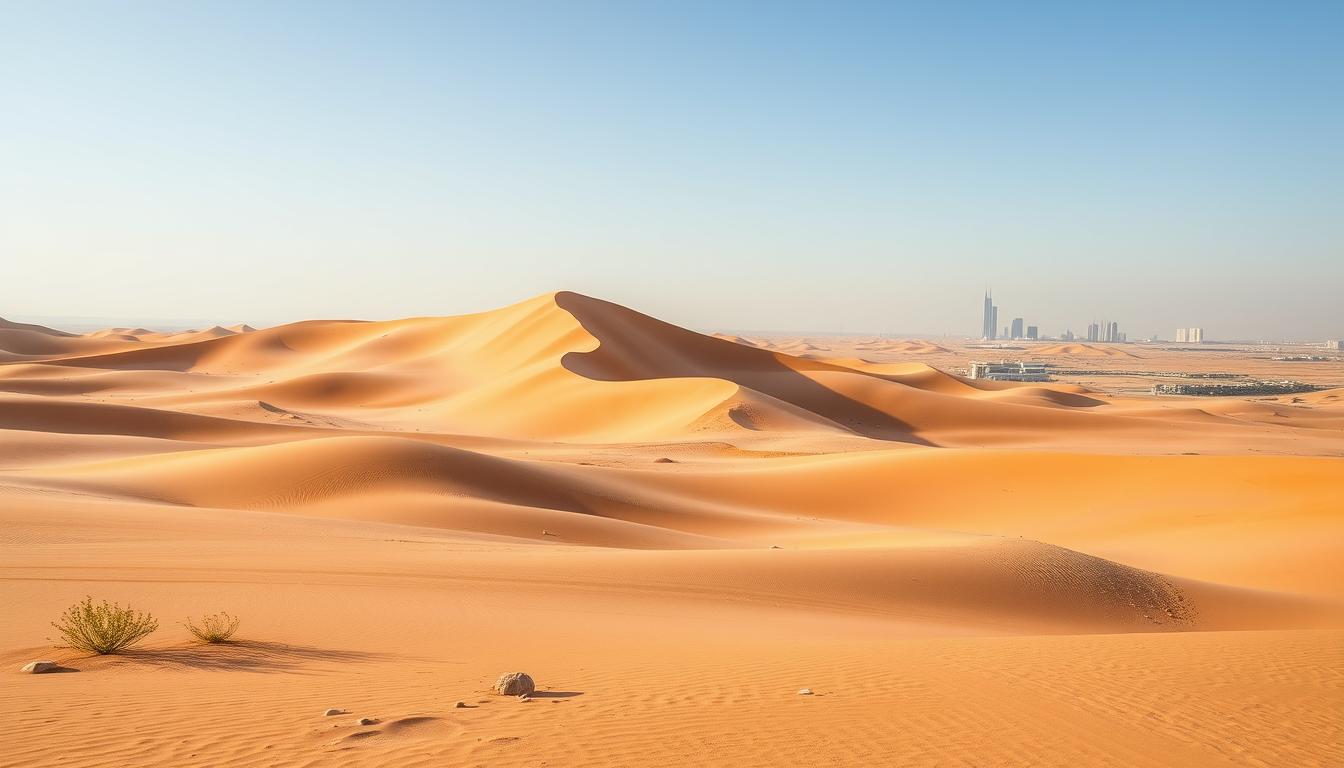
The first time the sand turns your boots deep red, you’ll feel it. The road from Dubai disappears, letting your breath slow down. Sharjah’s clean dune crests welcome you, unlike any other desert. You were looking for a simple comparison, but you found more: a quiet place where your plans start making sense.
UAE’s deserts are diverse, but Sharjah’s stands out with its red sand. Compared to Dubai’s golden waves and RAK’s rugged edge, Sharjah invites a closer look. Here, you walk slower and pick your path carefully, admiring the desert’s unique colors and textures.
This guide explains why Sharjah feels so different. You’ll learn about its geology, culture, wildlife, and safe travel paths. It shows how Sharjah sets your photos, your ride, and your connection to the place apart. If you’re looking to understand the terrain, avoid crowds, and find the best views, you’re on the right track.
As the sun sets, you’ll be on a dune, understanding its secrets. You’ll know which dune loves your footsteps, which valley catches the wind. And you’ll have a plan for a day that’s uniquely yours.
Key Takeaways
- Sharjah’s red dunes offer sharper crests and quiet trails, distinct within UAE desert diversity.
- Dubai’s golden sands favor easy access and wide, photo-friendly ridges.
- RAK blends gravel plains with mountain edges for a tougher, mixed-terrain feel.
- A focused desert landscape comparison helps match routes to your skill and comfort.
- Understanding unique desert characteristics improves safety, timing, and photography.
- Choose your emirate based on crowd levels, dune shape, and the experience you want.
Introduction to UAE Desert Diversity and Landscape Comparison
Traveling through the UAE, you’ll see dramatic changes quickly. The UAE desert ranges from the Rub’ al Khali to gravel plains by the Hajar Mountains. In a short trip, you go from gentle dunes to solid plateaus. This makes exploring the UAE’s deserts easily doable and full of variety.
Some parts of the desert are deep red from iron, while others shine gold with silica, especially near big safari areas. As you move north, the landscape gets rugged with coarse grains and rocky foothills. These variations affect how you drive, walk, and see the sand’s color at dawn and dusk.
What makes the UAE’s deserts uniquely diverse
Three different eco-zones meet in this small area. Near the Rub’ al Khali, you encounter large sand seas. The Sharjah desert has iron-rich dunes that are vivid in color. Near the Hajar Mountains, gravel and rocks change the desert shape.
This mix creates diverse habitats and landscapes. It’s like a natural lab, letting you compare different sand types, slopes, and solidity all in one trip. This shows the variety of the UAE’s deserts.
How you can use this guide to plan desert exploration in the UAE
Choose the right terrain for your activities. For fun in soft sand, go for gold-colored dunes. To take photos or see unique colors, pick the red areas. For a challenge, look for places where sand, gravel, and rock mix.
- Avoid busy areas near Dubai’s Al Marmoom and Al Qudra at peak times.
- Plan to enjoy the cool morning and the beautiful evening light.
- Read the next sections to match the terrain, weather, and safety with your adventure plans in the UAE’s deserts.
Quick overview of Sharjah desert, Dubai desert, and RAK desert
The Sharjah desert has iron-rich red sand and challenging trails. The Dubai desert is known for its silica-based golden dunes that are perfect for safaris and big views.
In the RAK desert, you’ll find a mix of coarse sand and gravel leading to rocky areas. These deserts give you three unique settings for your adventures. Each offers a different aspect of the UAE’s desert diversity.
Geology and Sand Composition Across Sharjah, Dubai, and RAK
Looking closely at the land starts with its smallest pieces. Comparing these deserts shows how their features affect your activities. Whether you’re driving, hiking, or taking photos, understanding the terrain is key.
Sharjah vs Dubai desert features catch your eye immediately. But there’s more beneath the surface. RAK offers a blend of sand and stone due to its mountains. This variety provides unique experiences within a short drive.
Iron-rich reds of Sharjah versus golden dunes of Dubai
In Sharjah, there’s a lot of iron oxide mixed with the sand. This makes the dunes dark red. These dunes look especially dramatic at dawn and dusk. They stand out against the blue sky, perfect for photography.
Dubai’s sand dunes, like those in Lahbab and Al Badayer, are different. They are made of fine, golden sand. This sand reflects sunlight well. So, the top edges of dunes look sharp and bright, great for driving and taking photos.
Coarser, gravelly stretches in RAK’s northern desert
RAK is near the Hajar Mountains, mixing its sand with gravel and pebbles. This mix changes under your feet, affecting how your vehicle moves. You can feel the difference when driving or walking.
This variety in the ground is also good for photography. It makes the terrain more interesting. Plus, it provides firmer ground for setting up equipment.
How sand grain size affects driving, trekking, and photography
Different kinds of sand change how you drive or walk. Fine sand needs care, so you don’t sink or get stuck. But coarser ground is more forgiving and lets you move more easily.
When walking, soft sand makes you tired faster. But a mix of sand and gravel is easier to walk on. Each desert in Sharjah, Dubai, and RAK has its own charm for photographers. They offer unique colors and textures that enhance photos.
| Emirate | Dominant Grain & Color | Underfoot Feel | Driving Notes | Trekking Impact | Photo Advantage |
|---|---|---|---|---|---|
| Sharjah | Iron-oxide reds on quartz; deep russet | Soft crests, loose slip faces | Lower tire pressure; gentle throttle for flotation | Higher effort per step on fine sand | High contrast tones; saturated dawn and dusk |
| Dubai | Silica-rich, fine golden sand | Even drift; compacted leeward edges | Predictable lines; stable ridge running | Moderate sink with consistent footing | Smooth highlights; classic crest silhouettes |
| Ras Al Khaimah | Mixed grains with gravel and pebbles | Variable traction; firmer patches | Slightly higher pressures; reliable braking zones | Reduced sink; higher ankle torsion risk | Textured foregrounds; layered mountain backdrops |
Use this desert comparison to plan your adventures. When you know about the sand and terrain, you can pick the best places. This way, you enjoy the deserts of UAE to the fullest.
Dune Shapes, Heights, and Wind Patterns
Dunes tell the story of the land through their shapes and sizes. The look of dunes reveals how the wind moves and what kind of materials are around. When driving or taking photos in the UAE deserts, like Sharjah, Dubai, and Ras Al Khaimah, you can use these signs to choose safe paths, get great shots, and plan your trip wisely.
Star and crescent dunes near Sharjah’s interior corridors
Within Sharjah’s desert, the wind shapes the sand into sharp crescent dunes and sometimes star dunes. Their peaks are high, and their edges sharp. Drive over them carefully, using a slow speed and crossing at a slight angle to keep moving without getting stuck.
These dunes offer great chances for skilled riders and photographers. The sharp lines bring out dark and light contrasts. The sand on their slopes changes often, giving clean lines and fresh views.
Rolling, photo-friendly ridges typical of the Dubai desert
Dubai’s gentle winds create long, smooth dunes that are easy to navgigate. It’s a good place for beginners because the dunes’ shapes are predictable. This makes it easier to start and stop.
The long lines of these dunes are perfect for taking pictures. They give a clear background that can make cars or people stand out. This showcases the beauty of the UAE deserts without making photography too difficult.
Rocky outcrops and broken dunes at the foothills of RAK
Close to the Hajar Mountains in Ras Al Khaimah, the landscape is rugged. Dunes shift and change shape near rocks and dry riverbeds. Winds can quickly alter the shape of dunes here, creating new challenges for drivers. Always be ready for sudden changes and keep an eye on the ground ahead.
This area combines the roughness of rocks with the softness of sand. It highlights the diversity of the desert, contrasting with Dubai’s smooth dunes and Sharjah’s sharp peaks.
| Region | Dominant Dune Form | Typical Crest Height | Wind Behavior | Driving Tip | Photo Advantage |
|---|---|---|---|---|---|
| Sharjah | Crescent (barchan) and star dunes | Medium to high with sharp slip faces | Bidirectional flow, frequent reworking | Crest 30–45 degrees off perpendicular to avoid bogging | Dramatic, serrated crests with strong shadow contrast |
| Dubai | Long rolling ridgelines | Low to medium with consistent faces | More uniform winds in safari corridors | Follow parallel ridge runs for steady momentum | Clean ridge continuity for silhouettes and frames |
| Ras Al Khaimah | Broken dunes with rocky interruptions | Variable; interrupted by outcrops | Gusty, terrain-influenced shifts from foothills | Scout for hidden drop-offs near rock and fan edges | Textured scenes mixing rock, sand, and sky |
This guide helps you link driving paths and photo opportunities to the desert landscape. By understanding details like peak sharpness, uninterrupted ridges, and wind pointers, you can dive into the diversity of the UAE deserts. Thus, you make the best of each area’s unique features.
Flora, Fauna, and Conservation Priorities
In UAE’s deserts, tough plants anchor dunes, shaping homes for various creatures. This intertwining of life affects how we explore these deserts responsibly, showcasing their rich diversity.
Hardy shrublands and ghaf clusters in Sharjah
In Sharjah, shrublands of Salsola and Calligonum stabilize the sand. Ghaf trees (Prosopis cineraria) offer cool shade, creating homes for lizards and foxes. Respecting these habitats means not driving off-tracks or on crusted soil.
Desert features like these require patience to appreciate. Drive slowly, stick to firm ground and use existing paths. This way, Sharjah remains a prime spot for observing wildlife with minimal impact.
Dubai’s protected zones and wildlife reintroduction
In Dubai, conservation areas like Al Marmoom and Dubai Desert Conservation Reserve control access. Their managed routes help protect animals like Arabian oryx and gazelles. Enjoying these animals means adopting slow, quiet approaches during your visits.
Understanding these habitats is crucial. For a comparison, see Abu Dhabi vs. Dubai desert safaris. This comparison helps you respect the desert’s balance while still enjoying its beauty.
Mountain-edge ecosystems blending into RAK desert
Near Ras Al Khaimah’s Hajar mountains, desert shrublands merge with lush wadi acacias. This mix attracts birds and mammals more than bare dunes do. Observing these areas requires reading the landscape and keeping a distance to watch natural behaviors.
These meeting points of sand and stone, dry and wet, are fascinating. Choosing paths that follow natural waterways and avoiding new tracks protect these unique desert environments.
Cultural Heritage and Bedouin Influence in Each Emirate
People’s stories tell you about landscapes. When picking between Sharjah and Dubai for desert adventures in the UAE, listen for the voices that define each place. Opt for experiences that showcase unique desert traits, not just the views from atop a dune.
Sharjah’s heritage-led approach to desert narratives
The Sharjah desert prioritizes heritage. Museums, curated camps, and guided tours focus on Bedouin traditions like navigation, falconry, and water saving stories. Hosts serve Arabic coffee, share poetry, and present the dunes as alive with history.
This approach is great for families and those eager to learn. It lets you interpret the desert’s signs—like wind-shaped dunes, camel tracks, and star pathways—and see how Sharjah and Dubai use the land differently due to their cultures.
Dubai’s fusion of modern desert experiences and tradition
Dubai mixes old traditions with new style. High-end camps combine falconry and camel rides with thrilling dune drives and gourmet meals in nature reserves. It’s fun but sophisticated, perfect for those seeking luxury along with adventure.
When planning desert trips in the UAE, Dubai’s blend offers a way to see unique desert aspects through their service—like night safaris, lavish tents, and eco talks. It gives you an evening filled with both grand sights and deep understanding.
RAK’s mountain-desert Bedouin routes and stories
In Ras Al Khaimah, ancient trade paths weave through valleys and plains under the Hajar Mountains. Local guides share tales of pastoral life, grazing patterns, and seasonal migrations that influence current campsites and resting spots.
This place connects mountains to sand. It teaches how water, shade, and wind paths direct both travel and stories. This offers a different vibe from Sharjah’s desert or the resort feel of Dubai.
| Emirate | Core Cultural Lens | Signature Practices | Ideal For | Key Takeaway |
|---|---|---|---|---|
| Sharjah | Heritage interpretation | Poetry recitals, falconry heritage, water lore | Culture seekers, families, students | Depth-first learning in the Sharjah desert with guided context |
| Dubai | Tradition plus modern hospitality | Falconry shows, camel treks, luxury dining | Comfort-focused travelers, mixed groups | Balanced thrills and insight across protected dunes |
| Ras Al Khaimah | Mountain–desert migration routes | Wadi stops, grazing narratives, stargazing | Explorers and photographers | Route-based stories linking peaks, plains, and sands |
To learn about different styles across emirates, see how Abu Dhabi keeps traditions while Dubai adds modern touches in this guide: cultural contrasts in desert safaris. This knowledge helps you choose what fits your interests, from slow-paced heritage walks to deluxe camps that respect the local culture and its people.
Adventure Activities: Dune Buggy Tours, Quad Biking, and Sandboarding
When you come to the dunes, you’re looking for speed, adventure, and control. The type of terrain in the UAE desert decides the thrill and your edge. Pick tracks that suit your skills and let the dunes guide your speed in the UAE’s best deserts.
How terrain choice changes the thrill level and safety
In Sharjah, the dunes are steep and sharp, perfect for Dune Buggy Tours. You’ll need precise control and a good approach. The quick ups and downs require careful planning to avoid surprises.
Dubai’s gentler dunes are great for beginners. The slopes build confidence, making them perfect for your first Quad Biking or sandboarding experience. It’s a good place to learn without too much risk.
Ras Al Khaimah offers a mix of sand, gravel, and rocks. This terrain requires quick thinking and adaptable driving. Keep an eye on the path and adjust your speed to stay in control and avoid damage.
Best dunes for sandboarding: Sharjah reds vs. Dubai golds
Sharjah’s high red dunes give you longer, thrilling rides. Before you start, wax your board, stay low, and aim for balance. This way, you’ll glide smoothly through the soft sand.
Dubai’s dunes are smoother and more predictable. This consistency is good for practicing your moves. It’s an ideal place to get better before you try the challenging dunes in Sharjah.
Route selection for quad biking in RAK’s mixed terrain
Create tracks that mix gravel and sand, using rocks to guide you. Plan for changes in the wind, and avoid flood areas. This keeps you safe on Quad Biking Tours.
Keep a steady speed on soft sand, then slow down on gravel to avoid tire damage. Try short hill climbs first to check your grip before taking on bigger challenges.
Booking with Desert Buggy Rental Dubai: 24-hour options
Desert Buggy Rental Dubai lets you pick sunrise or sunset tours to match the weather. They adjust the tour to your skills, making it fun and confidence-building.
With safety checks and flexible booking times, you can enjoy sandboarding or quad biking anytime. This means less waiting and more fun in the UAE’s top deserts.
Why Sharjah’s Desert Is Different from Dubai & RAK
As soon as you leave the highways for Sharjah’s desert, everything shifts. The landscape becomes richer in color and the atmosphere feels different. You understand the uniqueness of Sharjah’s Desert compared to Dubai & RAK. It’s more about its distinct character than just distance.
Distinctive crimson hues and sharper dune crests
Sharjah and Dubai deserts differ in color and shape. Sharjah’s desert glows with iron-rich reds, especially at sunset. This is unlike Dubai’s golden hues. The dunes here have cleaner cuts, which creates sharper crests and deeper valleys.
This desert’s unique features are a boon for drivers and photographers. The contrast is striking, offering beautifully layered views and well-defined dune shapes, even in strong winds.
Quieter trails, heritage focus, and wildlife sightings
Sharjah’s desert is usually less busy than Dubai’s. This means quieter trails and not as many people around. This tranquility increases your chances of seeing wildlife, like Arabian oryx, sand foxes, or larks.
Sharjah focuses on heritage and stories of the Bedouin life. Your guides will share about Bedouin history, crafts, and the desert ecosystem. This makes your journey a learning experience as well as an adventure.
Comparing accessibility and crowd levels with Dubai and RAK
Dubai is easy to get to, with lots of activities and fancy camps that attract crowds. RAK has a rougher, more varied landscape but the dunes aren’t as continuous. This affects the experience.
Think about what you want from the desert. For deep colors, distinct shapes, and quiet, choose Sharjah. If convenience is key, Dubai is better. RAK is great for its natural, untouched feel.
Photography and Sunset Spots: Best Deserts in UAE
When you chase light, you’re not just chasing places. Comparing desert landscapes like Sharjah, Dubai, and RAK helps you plan better. This guide helps you choose the best spot and time to shoot for great sunset photos.
Golden hour contrasts in Sharjah’s red dunes
As sunset approaches, Sharjah’s desert turns from copper to deep red. The low sun casts sharp shadows, highlighting the desert’s textures. These conditions create perfect lines for photos without needing much editing.
To keep footprints out of your shots, walk on the side away from the wind. Use bracketing to get the right exposure for both sand and sky. A light polarizer can help, but don’t overdo it to keep the sky natural.
Iconic wide ridgelines near Dubai for skyline silhouettes
In Dubai’s desert, you’ll find wide, smooth ridges that are perfect for silhouette shots. Whether it’s people, camels, or vehicles, they stand out against the sky. On a clear day, you can include the city’s skyline in the background.
Getting low helps make the ridges look more dramatic. Side lighting brings out the depth without overexposing parts of the photo. For the best colors, shoot 20–30 minutes after the sun sets.
RAK’s rugged backdrops for landscape compositions
The RAK desert has rocky features and layers that add drama to any photo. Lighting from the side highlights edges and silhouettes nicely. A wide lens captures the contrast between the desert and rocks.
If the ground looks too dark, try blending two exposures. This part of the UAE is great for simple setups that focus on the horizon. It’s excellent for showing depth and texture in your photos.
| Location | Signature Look | Best Light Window | Framing Tips | Technical Notes |
|---|---|---|---|---|
| Sharjah desert | Iron-rich reds with sharp crest shadows | Golden hour and 20–30 minutes after sunset | Use leading lines and low angles for clean geometry | Bracket exposures; minimal polarizer to prevent uneven sky |
| Dubai desert | Wide ridgelines and clean horizons | Late golden hour into blue hour | Silhouette riders, camels, or 4x4s against the ridge | Expose for highlights; keep ISO low for crisp silhouettes |
| RAK desert | Rugged massifs with layered dune-rock contrast | Side-lighted evenings | Anchor foreground dunes and align rock spines for depth | Blend two exposures; avoid heavy polarization for even tones |
| Overall pick in a desert landscape comparison | Color in Sharjah, silhouettes in Dubai, scale in RAK | Shift timing by site to match terrain and sky | Manage footprints by approaching crests leeward | Carry a stable tripod; review histograms for highlight control |
Each desert in the UAE has its charm for sunset photos. Sharjah stands out for its colors, Dubai for silhouettes, and RAK for dramatic landscapes. Pick one that fits your style, and let the changing light do its magic.
Seasonality, Climate, and Safety Considerations
Understanding the seasons is crucial for exploring the UAE desert. You’ll deal with changing temperatures, winds, and shifting sands. When planning, consider the diversity of the UAE’s deserts and the unique features of Sharjah, Dubai, and Ras Al Khaimah.
When to visit for cooler temperatures and clear skies
November to March is the best time for desert trips, with mild weather and clear views. It’s perfect for morning drives and long walks. April to May and October are good too. Starting early in these months helps you avoid the intense sun while still enjoying the desert.
The heat from June to September can be too much. It’s best to go out at dawn or dusk then. During these times, the desert’s beauty stands out more with striking colors and contrasts in the soft light.
Wind shifts that reshape dunes and driving lines
In winter, the shamal winds and local breezes can change the desert overnight. Dunes get steeper, and paths disappear. It’s important to adjust your driving, especially after windy days, to stay safe and avoid getting stuck.
The landscape changes from one area to another. Dubai has softer dunes, Sharjah’s are sharper, and Ras Al Khaimah has rocky edges. These differences affect where and how you can drive through the deserts each week.
Hydration, recovery gear, and communication tips
Always bring 3–5 liters of water per person for half a day, plus electrolytes and sunscreen. Also, pack necessary tools like a compressor, a rated snatch strap, soft shackles, traction boards, and a shovel. A tire plug kit is handy in Ras Al Khaimah’s rocky areas.
Have a fully charged phone, a power bank, and, for remote areas, a satellite communicator. Always share your travel plans with someone, keep an eye on the weather, and drive with a group that has at least one vehicle equipped for recovery. These steps help make your desert adventure safe and fun.
| Window | Conditions | Route Strategy | Key Gear | Why It Matters |
|---|---|---|---|---|
| Nov–Mar | Mild temps, clear skies | Longer routes, mid‑day breaks | Compressor, traction boards | Stable sand supports varied lines across UAE desert diversity |
| Apr–May, Oct | Warm, variable winds | Early starts, waypoint refresh | Snatch strap, soft shackles | Shifting slip faces alter entries in the best deserts in UAE |
| Jun–Sep | Intense heat, low‑light runs | Dawn/dusk only, short loops | Electrolytes, sun protection | Safe timing preserves energy and focus during desert exploration in UAE |
| Rocky RAK Fringes | Gravel and sharp outcrops | Reduced speed, careful line choice | Tire plug kit, shovel | Terrain-specific prep fits unique desert characteristics |
Planning Desert Exploration in UAE: Routes and Logistics
Choose a route that matches how you move, what you want to capture, and your ride. Consider colors, shapes of dunes, and how to get there. Mix quiet paths with places to stop. This keeps your plan flexible whether you’re in Dubai, RAK, or Sharjah.
Choosing the right emirate for your goals
If bold colors and sharp edges are what you’re after, Sharjah is your spot. Its rich, iron sands are perfect for photos and thrilling sandboarding. Plus, it’s quieter, which is great for planning or discovering new spots.
Dubai’s desert is great for easy access, learning, and luxurious camps. It has clear signs, help if you get stuck, and ways to try new things easily.
RAK’s desert offers a mix of landscapes. You’ll find gravel, uneven dunes, and mountains. It’s best for those wanting a challenge and diverse scenery.
Self-drive vs. guided tours: pros and cons
Going solo means you’re in control. You decide the speed, follow the light, and explore. But, it requires good nav skills, the right gear, and preparing your vehicle well.
Guided tours make things easier and safer. They help with planning, teach you about the area, and make quick calls if conditions change. This is especially useful when comparing Sharjah and Dubai or tackling RAK’s tough paths.
What to pack for day trips and evening safaris
- Light clothes, something to keep the wind off at night, sturdy shoes, and gloves for safety.
- A light for your head, a small first-aid kit, snacks that give you energy and keep you hydrated, and a bag for trash.
- A tool to adjust your tires’ air; plan extra time for this at the start and end.
- For night adventures: bring a tripod, extra batteries, and an extra layer as it gets cold.
- Check if you need a permit or there are rules for conservation areas before you head out.
| Goal | Best Fit | Why It Works | Route Notes |
|---|---|---|---|
| Color-rich images | Sharjah | Deep reds and sharp crests suit bold frames | Plan golden-hour lines; avoid soft troughs after wind shifts |
| Convenience and comfort | Dubai desert | Easy access, premium camps, clear recovery support | Use marked corridors; schedule quick deflate/inflate stops |
| Technical driving mix | RAK desert | Gravel, broken dunes, and mountain edges test setup | Mind clearance and approach angles; keep comms open |
| Maximum flexibility | Self-drive | Control over timing, pacing, and stops | Carry recovery gear and redundant navigation |
| Safety and efficiency | Guided | Expert routing, cultural insights, time savings | Confirm permits and group equipment coverage |
Experiences with Desert Buggy Rental Dubai
If you’re after fun in the dunes, we’ve got what you need when you want it. Operating all day, every day in Sharjah, Dubai, and Ras Al Khaimah, we let you chase the dawn or enjoy the cooler evening breezes. Your adventure is planned around your schedule.
Service types: Dune Buggy Tours, Quad Biking Tours, Evening Desert Safari
Choose your speed with Dune Buggy Tours that slide smoothly over the dunes. Or pick Quad Biking Tours for better maneuvering in narrow spaces. An Evening Desert Safari is perfect if you love witnessing the desert under a beautiful, changing sky.
Morning Desert Safari, Desert BBQ Dinner, Camel Ride, sandboarding
Wake up to a Morning Desert Safari when the sand is fresh. End your day with a tranquil Desert BBQ Dinner under the stars. Add a peaceful Camel Ride for stunning views, and try sandboarding to glide down beautiful slopes.
How we tailor rides to Sharjah, Dubai, and RAK terrain
Our guides fine-tune everything to handle Sharjah’s challenging dunes, Dubai’s smooth ridges, and RAK’s varied terrain. We adjust the convoy spacing and the approach to dunes to ensure excitement with safety.
Check out private options and special comforts through this Abu Dhabi private desert safari link. Enjoy similar privacy and flexibility in Sharjah, Dubai, or RAK.
Booking hours, contact number, and email for quick reservations
Book any time for quick confirmation. Our schedule fits both sunrise and sunset adventures. Contact us at +971 52 440 9525 or via email at [email protected]. We’re ready for your Dune Buggy, Quad Biking, Evening Desert Safari, Morning Safari, Desert Dinner, Camel Ride, or sandboarding plans.
Safety-first briefings and terrain-specific equipment
We make sure you’re prepped on safety before starting. Our buggies have roll cages for protection. Helmets, goggles, gloves, and radios help you stay safe and connected. We tune boards for the sand and have kits ready for each terrain type.
| Experience | Best Time | Typical Duration | Terrain Match | Key Gear |
|---|---|---|---|---|
| Dune Buggy Tours | Early morning or late afternoon | 30–90 minutes | Dubai rolling ridges, Sharjah sharp crests | Roll cages, helmets, radios |
| Quad Biking Tours | Morning and sunset | 30–60 minutes | RAK mixed sand–gravel–rock routes | Goggles, gloves, route beacons |
| Morning Desert Safari | Sunrise | 3–4 hours | Firm, cool sand across all emirates | Hydration packs, sun protection |
| Evening Desert Safari | Late afternoon to dusk | 4–5 hours | Cooling dunes with soft light | Spot lighting, photo comms |
| Desert BBQ Dinner | After sunset | 2–3 hours | Private camp set-ups | Dining tents, climate control |
| Camel Ride | Morning or evening | 15–45 minutes | Gentle corridors and low ridges | Mounting aids, guides |
| sandboarding | Morning or late day | 20–40 minutes | Sharjah reds and Dubai golds | Waxed boards, safety brief |
Conclusion
You now understand why Sharjah’s desert stands out compared to Dubai and RAK. Sharjah’s desert attracts visitors with its deep red sands, sharp dunes, and peaceful paths. These paths are perfect for those who take their time and drive with care. Dubai’s desert offers bright golden dunes, easy access, and perfect spots for photos. RAK’s desert brings excitement with its rough terrain where the dunes meet the Hajar Mountains. This comparison of desert landscapes helps you choose the right location for your adventure, making each journey meaningful.
Before heading out, decide what you’re looking for. If you’re after thrill, pick areas with soft, rolling dunes and consider hiring a guide. Photographers will find that Sharjah’s red sands make the sunset even more stunning. Meanwhile, Dubai’s dunes are great for capturing the city’s skyline. If you’re interested in culture and wildlife, be sure to stick to designated areas, understand the local conditions, and minimize your impact. This way, you can enjoy the UAE’s deserts fully without any worries.
When planning, consider the time of year and the time of day to avoid extreme heat and changing winds. Remember to bring water, tools for vehicle recovery, and a fully charged phone. Let the landscape inform your choice: Sharjah for its beautiful textures and tranquility, Dubai for its accessibility and sheen, and RAK for its dramatic mountain-scapes. For a safe and well-thought-out experience, arrange activities like Dune Buggy and Quad Biking Tours, Desert Safaris, BBQ Dinners, Camel Rides, and sandboarding. You can book these with Desert Buggy Rental Dubai by calling +971 52 440 9525 or emailing [email protected].
When picking your path, respect the conservation areas, watch your speed, and understand the desert’s surface. Pay attention to the size of the sand grains, their color, and how the wind shapes them. By doing this, your outing becomes more than just a drive. It turns into an insightful exploration of the UAE’s deserts, offering a great way to compare these stunning landscapes.
FAQ
Why is Sharjah’s desert different from Dubai and RAK?
Sharjah’s desert has deep, red sands and tall dune crests. This is because of the special winds there. Dubai, on the other hand, has smoother, golden dunes that are great for driving and taking pictures. RAK’s desert mixes sand and gravel. It’s got firm ground and rocky scenes near the Hajar Mountains.
What makes the UAE’s deserts uniquely diverse?
The UAE’s deserts change a lot even over short distances. You’ll see different sand colors, types of dunes, and animals. This is why you’ll find red dunes in Sharjah, golden dunes in Dubai, and a mix in RAK – all in one day.
How should you choose between the Sharjah desert, Dubai desert, and RAK desert?
Pick Sharjah if you like red sands and quiet places. Choose Dubai for its easy-to-reach dunes and luxury camps. Go to RAK for views of the mountains and a mix of surfaces. Think about what you like doing, like taking photos or riding a quad bike, and choose the best place for that.
How do sand colors differ across emirates?
Sharjah’s sand is red because it has a lot of iron oxide. This makes it look really deep red when the sun rises or sets. Dubai’s dunes are golden because its sand has a lot of silica. In RAK, you’ll see different shades from tan to brown near the mountains, with some rocky spots.
Does sand grain size affect driving and trekking?
Yes, it does. Sharjah and Dubai have very fine, soft sand. This means you need to let some air out of your tires and go easy on the gas. RAK’s ground is more rough and gravelly. This allows for a bit firmer grip. For walking, soft sand makes you work harder, but gravel can be tricky and even twist your ankle.
What dune shapes will you find in each area?
In Sharjah, expect to see crescent-shaped and star dunes. They have steep slides and notched ridges. Dubai is known for its long dunes that are easy to predict and great for photos. RAK has dunes broken up by rocks, creating sudden drops.
Where are the best dunes for sandboarding: Sharjah reds or Dubai golds?
For long and thrilling rides with beautiful colors, pick Sharjah. If you’re new to sandboarding and want easier slopes, Dubai is better. Both places offer great experiences. Choose based on what you like and want to capture in photos.
Is desert wildlife easier to spot in one emirate?
In Dubai, you can find Arabian oryx and gazelles in certain areas with a guide. Sharjah is home to foxes and reptiles near certain trees. After it rains, RAK sees more birds. Each place has its own types of wildlife.
How does crowd level compare: Sharjah vs Dubai vs RAK?
Dubai is the busiest, especially near Al Qudra and Al Marmoom. Sharjah is usually quieter and focuses on cultural trips. RAK offers more space but has different types of dunes, spreading people out.
When is the best season for desert exploration in the UAE?
For cooler weather and clear skies, go from November to March. April to May and October are also good but a bit warmer. From June to September, it’s best to go early in the morning or late to avoid the heat. Also, remember to stay hydrated.
How do wind shifts change your route and photos?
In winter, winds in Sharjah can change dune shapes overnight. In Dubai, the dunes stay more the same, which is good for photos. In RAK, be careful of sudden wind changes that can create new drops.
What safety gear should you carry for self-drive dune trips?
Bring a lot of water, sunblock, a compressor, a tire gauge, a strong tow strap, and boards for getting unstuck. Also pack a shovel and a tire repair kit, especially for RAK. Don’t forget your phone, a charger, and a satellite communicator for safety.
Is it better to self-drive or book a guided tour?
Driving yourself gives you freedom but means you need to know how to navigate. Guided tours are easier and safer. They also teach you about the area. If you’re new, start with a guide. Later, you might want to try driving yourself.
How do you plan routes to avoid crowds in Dubai’s desert?
Go at sunrise or during the week to avoid crowds. Stay away from the busiest areas. Consider visiting Sharjah or RAK on weekends for more space and different views.
Where are the best sunset spots for photography across the UAE deserts?
Sharjah’s red dunes are stunning at sunset, creating great contrasts. Dubai’s broad dunes are ideal for silhouettes against the sky. In RAK, the mountains add drama to your shots, especially if you wait a bit after the sun goes down.
What are top tips for keeping dunes pristine in your photos?
Walk up dunes from the side to avoid tracks, pick angles with untouched sand, and take pictures early. Use mild settings on your camera to keep the sky looking natural and adjust exposure in bright or dark scenes.
What cultural experiences can you add to your itinerary?
You can enjoy stories from Bedouin guides, watch falconry, taste traditional coffee, and try local food. Sharjah focuses on heritage, Dubai mixes in luxury, and RAK offers paths linked to historical trade routes.
How does quad biking differ in RAK’s mixed terrain?
In RAK, you’ll switch from sand to gravel and rocks often. Keep your speed moderate and use landmarks to navigate. Avoid valleys after it rains. Your tires can be a bit firmer here to keep safe and brake well.
Can you book last-minute sunrise or sunset rides?
Yes. Desert Buggy Rental Dubai is open all day and night. You can book for dawn or dusk. Guides will choose the best paths based on the current conditions in Sharjah, Dubai, and RAK.
What services can you book with Desert Buggy Rental Dubai?
They offer trips in dune buggies and quad bikes, morning and evening safaris, dinners in the desert, camel rides, and sandboarding. Everything comes with the right safety gear and plans for different skill levels.
How are rides tailored to Sharjah, Dubai, and RAK terrain?
For each place, guides adjust the setup for your vehicle. They teach you how to drive in Sharjah’s steep dunes, Dubai’s rolling hills, and RAK’s varied ground. They also cover safety and how to respect the animals and plants.
How do you book quickly, and whom do you contact?
For quick bookings, call Desert Buggy Rental Dubai at +971 52 440 9525 or email them at [email protected]. They can help you book for any time, especially for sunrise or sunset trips across the emirates.
What should you pack for day trips and evening safaris?
Take clothes that breathe, a jacket for winter, sturdy boots, gloves, a flashlight, and a first-aid kit. For evening trips, add a tripod and extra batteries. When it gets cold at night, a warm layer will help.
Which desert is best for first-time drivers?
Dubai’s desert is perfect for beginners. Its smooth dunes make learning easy. Start with someone guiding you, then try more challenging deserts like Sharjah or RAK as you get better.
Which desert is best for advanced riders and photographers?
Sharjah’s desert brings out sharp images and tough drives, thanks to its unique red sand and steep dunes. It’s perfect for skilled drivers and photographers looking for striking scenes.
What makes RAK stand out for adventure seekers?
RAK offers a mix of surfaces and stunning mountain views. It’s the best choice if you’re looking for technical rides and diverse landscapes. You’ll need good map skills to explore beyond the usual dune areas.
Categories
- Uncategorized (4)
- Desert Buggy Rental (2,089)
- Dune buggy (4)
- Quad Bike Rental (1)
- Desert safari (1)
- Hot air ballon (2)
- dirt bike (4)
Recent Post



Tags
650cc Buggy Speed Age requirements for buggy rides in UAE Arrakis ATV performance metrics Ballooning safety measures Buggy top speed Buggy transport on planes Camel trekking in Dubai Camel welfare concerns Child-friendly excursions Cultural taboos in Dubai Desert fashion Desert Safari Duration in Hours Desert Safari packages in Dubai Desert safari packages price Desert safari pricing Desert survival essentials Dining costs in Dubai and Abu Dhabi Dressing tips for Desert Safari Dubai Dubai Desert Wildlife Dubai safari for seniors Dubai trip financial planning Dune buggy passenger count Dune novel analysis EasyJet buggy policy Exotic automobiles Dubai Explore Dubai in X days (insert the actual number of days discussed in the article) Film adaptation age group Footwear comfort Hot air balloon prices in Dubai Hot air balloon sightseeing in Dubai Hot Air Balloon Travel Luxury car market in Dubai Navigating desert terrain Off-road racing Safari accommodation prices Safe desert excursions for kids in Dubai Sand Dune Apparel Sunset views Toilet Facilities in Desert Safari Dubai Tourist activities in Dubai Weather in desert What to wear in desert safari Women's clothing in Dubai Young Adult Science Fiction