

- 230 Views
- 18 Min Read
- (0) Comment
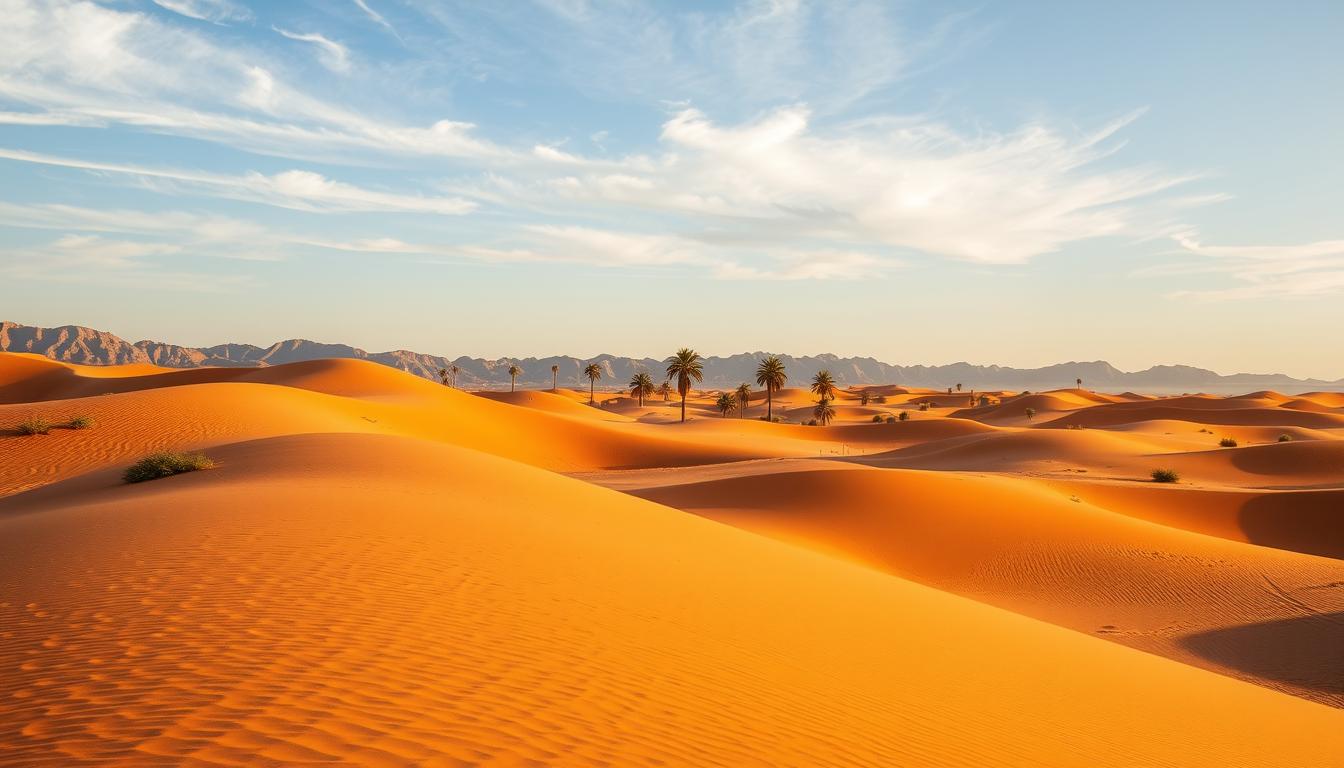
You arrive before sunrise, feeling the cool wind and sand’s last whispers. In the silence, an old story unfolds. The Red Dunes seem to breathe slowly. Your interest connects with the ancient history of Ras Al Khaimah’s desert.
The dunes glow softly red as morning light grows. Iron in the sand turns the hills red, making a living memory. You imagine camel tracks and pearl divers’ families relying on these paths. The Red Dunes’ history feels close and alive.
You’re set to explore how geology influenced trade and Bedouin paths. The sands remind us of legends and treaties. Walking here, you link with both the past and present highlights of Ras Al Khaimah.
Key Takeaways
- The Red Dunes serve as a natural archive linking geology, trade, and memory.
- Iron-rich sands create the signature red hue that defines the UAE desert landscape.
- Caravans once tied the dunes to coastal ports and the Hajar Mountains.
- Respectful access and protected zones safeguard fragile habitats.
- Guided experiences can deepen your connection to Ras Al Khaimah desert history.
- Ras Al Khaimah natural attractions blend heritage, science, and responsible travel.
Origin and Geology of Ras Al Khaimah Red Dunes
When you walk on the Ras Al Khaimah Red Dunes, you see history under your feet. Every hill and line has a story of the desert’s past. They guide you as you learn about time, wind, and rocks there.
How iron-rich sands formed the iconic red hue
The red color starts with tiny grains of quartz and feldspar. They have coatings of hematite and goethite that change in the heat. When groundwater and dew mix with iron, it paints the grains red.
As the wind moves sand, it makes the red deeper and shiny. According to iron-oxide insights on red dunes, iron oxide makes the color and adds grip for walking. It shows how chemistry creates the Red Dunes.
Shifting dune systems and wind patterns in the UAE desert landscape
Shamal winds from the northwest shape the dunes. The weather and winds twist and turn the dunes over time. This changes how they look and move.
The ground and plants add details to the desert. Satellites help us see and understand these changes. This helps you explore the desert better.
Sediment sources from Hajjar Mountains and coastal plains
Dunes get sand from many places. Sand comes from the mountains and old riverbeds. Sea changes also bring in more sand.
How fast dunes move depends on their sand. The soil’s history helps tell the story of the desert. It makes your visit to the Red Dunes more interesting.
Ancient Trade Routes and Cultural Footprints
You follow old paths that linked Julphar, Ras Al Khaimah’s historic port, with inland oases and Gulf markets. Dates were sent out, and goods like frankincense, copper, and textiles were brought back. The sand tells stories of past trades that still influence how we see Ras Al Khaimah’s nature today.
These routes connected to wells and aquifers hidden between dunes. Cairns showed the way, and remnants of beads and fireplaces suggest brief stops. This route linked the mountain valleys and the coast, where sea and desert traders met.
Old stories describe how travelers used stars to navigate during cooler months. Coastal traders set sail when the winds were favorable. Together, they shared goods and ideas, linking local communities to the wider Gulf region and beyond.
Today, you can still see signs of these journeys: pathways between dunes, debris from river valleys, and seashells near ancient campsites. Each clue contributes to the story of the Red Dunes and how we view the natural wonders of Ras Al Khaimah today, from its ports to the desert trails explored in many Arabian adventures.
As the sun sets, you imagine the ancient landscape. Foothills and coastlines unite across the sands, creating a network of life and trade. This view reveals not just paths but a rich history that continues to draw us to Ras Al Khaimah’s natural beauty.
History of the Red Dunes in Ras Al Khaimah
The Red Dunes’ history is a tale woven from ancient caravan routes to today’s vibrant festivals and museums. It tells of a landscape shaped by rain, wind, and the crafts of its people. Look through this story, and see how the desert of Ras Al Khaimah teaches us to understand the language of sand, sky, and water scarcity.
From Bedouin heritage to modern-day narratives
In the traditions of the Bedouin, life danced with the rhythm of the dunes. Here, the skills of pastoralism, falconry, and camel raising were in harmony with the desert. Communities would move herds after the winter rains to graze, and poets and racers keep these customs alive today.
Even as the oil era brought changes, families clung to their traditions through gatherings, poetry, and sports. Now, Ras Al Khaimah’s museums and programs share these tales, weaving the old with the new.
Archaeological evidence of seasonal camps and water wells
Archaeologists have found evidence of ancient lives in the Northern Emirates. Hearth pits, pottery, and stone tools reveal seasonal camps set upon the high dunes. Then, at the edge, they found wells and waterways, showing ancient wisdom in desert survival.
Nearby, rock art and seaside shell heaps speak of a life bridging sea and sand. These discoveries trace the paths from inland to the coasts, silently narrating the deeper story of desert journeys.
Oral histories and legends tied to expedition eras
Tales of skilled rahhāl guide us, showing how to navigate by the stars and the desert wind. Elders tell of listening to the sand to avoid danger, and how pearl divers and desert trekkers shared bonds of trust. These stories of navigation, risk, and camaraderie tie Ras Al Khaimah’s history together.
This oral heritage enriches the Red Dunes’ tale. It passes down crucial knowledge: how to journey wisely, share resources, and respect the desert. Such values still guide safe travels in the Arabian desert today.
| Heritage Element | Key Practices | Timeframe | Why It Matters |
|---|---|---|---|
| Pastoral Nomadism | Seasonal grazing after winter rains; camel husbandry | Prehistory to 20th century | Defines mobility patterns in Ras Al Khaimah desert history |
| Water Mastery | Hand-dug wells; falaj-style diversions | Antiquity to modern era | Anchors camps and routes in the History of the Red Dunes in Ras Al Khaimah |
| Trade and Transit | Linking dunes, foothills, and coast | Classical periods onward | Bridges inland caravans with maritime exchange |
| Oral Navigation | Star paths; reading sand sound and wind | Continuous | Guides any responsible Arabian desert expedition |
| Living Heritage | Nabati poetry; camel racing; museum curation | 20th century to present | Transmits Ras Al Khaimah desert history to new audiences |
Ecology of the Red Dunes and Indigenous Adaptations
Walking into the Ras Al Khaimah Red Dunes is like entering a live classroom. Here, tough plants keep the sand in place. Animals adapt to the desert’s harsh light and heat. And people have learned to use these observations for their safety. Understanding these connections makes your visit to the Red Dunes much richer.
Flora and fauna that shaped nomadic lifeways
The Ghaf tree (Prosopis cineraria) spreads its roots wide to stabilize the sand and provides much-needed shade. Arta (Calligonum comosum) and rimth (Haloxylon salicornicum) plants stop the wind at the surface. This helps to trap sand. The desert hyacinth (Cistanche) appears after it rains, guiding foragers and herders to moisture.
Arabian sand gazelles come out in the cool dawn and dusk air. Red foxes leave their footprints on the dunes, and jerboas dig tunnels to escape the sun. The spiny-tailed lizard enjoys the warmth then hides when it gets too hot. Birds soar on the air currents above the Ras Al Khaimah Red Dunes. By watching these patterns, you can learn a lot during your visit.
Traditional navigation and survival techniques
Reading the sand is like reading a map. Long megaripples tell you about the main wind direction. Smaller ripples show recent wind activity. At night, stars like the North Star and Orion help you find your way. During the day, you track your water use by watching for dew, checking the shade, and knowing how fast you’re walking.
It’s best to move in the cooler morning and evening times. This helps you stay out of the harsh sun. Taking breaks near certain bushes gives you some shade. Eating camel milk and dates keeps your energy up. You can also carry dried fish from the coast. Making shelters from palm fronds and wool can protect you from the sand and sun. This makes your time in the Ras Al Khaimah Red Dunes more comfortable.
Using water wisely, grazing animals in good spots, and planning your route by the wind and stars are key. These approaches make your exploration of the Red Dunes better. You’ll leave behind less of an impact and see more. Plus, you’ll be in tune with the desert’s natural cycles.
Colonial Encounters and the Trucial States Period
Gulf waters once attracted rival fleets, while coastal towns watched over trade. The inland Red Dunes formed a natural pathway. They linked the coast to the Hajjar Mountains, directing travelers to wells and outposts. In Ras Al Khaimah, these sands were more than just a view.
From the 18th to early 20th centuries, sea fights led to truces between British officials and local leaders. This created the Trucial States. Despite peace at sea, people and messages continued to move across the land. The Red Dunes played a key role in choosing paths, moving goods, and setting up camps.
Survey teams from Bombay mapped the desert using specialized tools. Their maps later helped build roads and set up telegraphs. In Ras Al Khaimah, these early efforts guided the planning of pipelines and service stations around the dunes.
After the 1930s, changes in the pearling industry forced people to find new jobs. This shift is noted in Red Dunes history. Though camel caravans became less common, trucks took over, keeping some routes alive for herding and farming.
With the creation of the United Arab Emirates in 1971, the landscape changed again. New highways avoided damaging the dunes. This change improved science, conservation, and tourism in the area. In Ras Al Khaimah’s desert history, this marked a blend of policy, trade, and identity with the dunes, enhancing their role in national plans and local stories.
Modern Development, Conservation, and Sustainable Access
Discover one of Ras Al Khaimah’s incredible natural spots, where modern ways meet careful guardianship. Tourism at Red Dunes is on the rise, but your actions help keep its delicate sands and wildlife safe. Choose licensed tour guides and follow effective, easy-to-remember practices when exploring.
Balancing Red Dunes exploration with habitat protection
Your actions help safeguard nesting grounds by sticking to designated paths and avoiding the green areas between dunes. By limiting off-road driving and not disturbing wildlife areas or closed zones during breeding seasons, you contribute to maintaining the natural beauty of the area. This way, enjoying Red Dunes responsibly doesn’t harm its vibrant ecosystem.
Protected zones, visitor guidelines, and responsible travel
- Explore with skilled, licensed guides who pick paths that make a smaller impact and know how to handle tough situations safely.
- Deflate tires a bit to prevent deep tracks, take all trash with you, and don’t touch historical sites.
- Drive within speed limits, avoid nighttime drives in fragile locations, and reduce noise.
- Bring water, first aid, and a fully charged phone. Make sure you know what to do in emergencies when exploring Red Dunes.
Community engagement and cultural preservation initiatives
Local storytellers, craftspeople, and falconers offer a glimpse into living traditions that make your trip more meaningful and support conservation efforts. Collaborations with environmental groups and academics help monitor and preserve the dunes, plant life, and local animals through advanced tech and community involvement. By choosing licensed tours, your visit promotes job creation, supports local crafts, and ensures the protection of Ras Al Khaimah’s stunning nature.
Adopting Leave No Trace practices, obeying area closures, and being well-prepared enhances your exploration of the Red Dunes, benefiting both culture and nature.
Red Dunes Tourism and Experiential Heritage
At dawn, you step onto the Ras Al Khaimah Red Dunes. Guides lead you on walks to see the sun light up the sand. You feel the sand’s history beneath your feet, see its shapes change with the wind.
Camel treks follow paths used by Bedouins to find water. At cultural camps, you taste local coffee and dates. You listen to poetry and watch traditional cooking. These experiences connect you to the Red Dunes’ past.
Sandboarding lessons teach you to balance and slide down dunes safely. Photography workshops show you how to capture the light and sand in motion. Museums and centers tell stories of ancient camps and trade. Your adventure links the desert to the sea and mountains.
Tour groups are small to protect wildlife and the land. You help local communities by learning from them. Tourism here means exploring nature while respecting the culture and environment.
Planning Your Visit: Routes, Seasons, and Safety
You visit for the stunning sands, sky, and the quiet. The UAE desert is special. Plan well to enjoy Ras Al Khaimah’s beauty while staying safe on your Red Dunes adventure.
Best times for sunrise and sunset over Ras Al Khaimah natural attractions
Visit from October to April for cooler weather, clear skies, and steady winds. Sunrises and sunsets make the desert glow. The low light at sunrise shows off the sand’s patterns. Sunset turns the sands a deep red, perfect for photos.
Get there 30–45 minutes early for the best light. This gives you time to find the best spot. Remember your headlamp for walking in the dark before dawn and after dusk.
Navigating dune terrain: vehicles, guides, and permits
Drive a 4×4 with high ground clearance. You’ll need recovery gear and a compressor. Lower your tire pressure for better traction in the sand. Drive carefully to protect the desert.
Follow main roads to find safe entry points. Hire guides who know the desert well. Check if you need permits for groups, filming, or drones.
Health, hydration, and desert etiquette
Dress in layers and protect yourself from the sun. Drink lots of water and bring a first-aid kit. Tell someone your plans before you go.
Keep to marked paths and respect wildlife and historic sites. Always travel in groups and leave no trace. This keeps the desert beautiful for everyone.
Desert Adventures with Desert Buggy Rental Dubai
Red Dunes tourism offers guided, safety-first drives that honor the land’s story. Each trip combines excitement with knowledge from the History of the Red Dunes in Ras Al Khaimah. This way, your Red Dunes journey is real and full of learning.
Dune Buggy Tours for immersive Red Dunes exploration
Jump into buggies made for safety with roll cages and harnesses. Get a clear briefing, then drive over ridges and down slopes with an expert in lead. This is a careful way to see Ras Al Khaimah Red Dunes, staying safe and comfy.
Quad Biking Tours across classic Ras Al Khaimah Red Dunes
Pick routes that fit your skills and the day’s conditions. Guides lead carefully, showing safe paths, and talk about the Red Dunes’ history. You see lots of the desert without missing its peace.
Evening Desert Safari and Morning Desert Safari experiences
Ride when the light is magic at sunset or sunrise. These times are best for photos and seeing wildlife, making Red Dunes trips special. The weather is cooler and the wind is calm, making desert time nicer.
Desert BBQ Dinner, Camel Ride, and sandboarding add-ons
End your visit with local food at a Desert BBQ Dinner, then enjoy a calm Camel Ride. Try sandboarding for a fun, easy challenge. This ends your Red Dunes trip on a high note, safely.
Booking Hours: 24 hours | Phone: +971 52 440 9525 | Email: [email protected]
Book any time with Desert Buggy Rental Dubai. You get safety gear, detailed briefings, and help if you need it on all trips over Ras Al Khaimah Red Dunes.
Conclusion
You reach the Red Dunes with fresh eyes. You see layers formed by iron-rich grains, mountain-fed sediments, and steady winds. This landscape is a living archive of the Red Dunes’ history in Ras Al Khaimah.
The dunes tell stories of caravan routes, Bedouin life, and changing trade. On some ridgelines, you can trace the history of Ras Al Khaimah’s desert. It shows how the land and time created a unique identity.
Plan your trip during the cooler seasons and at sunrise or sunset for the best light. Carry water, respect nature, and follow local rules to protect wildlife and the environment. This way, you honor the history of the Red Dunes and help preserve it.
Pick tour operators who care about protecting the desert. Desert Buggy Rental Dubai offers trained staff, quality vehicles, and eco-friendly routes. This enhances your visit to the Red Dunes in Ras Al Khaimah. It also supports the community’s efforts to keep the desert’s history alive.
When you leave, the story of the Red Dunes stays with you. You remember the red hills shaped by the wind, the wells, and camps made from necessity. It’s a tale of a nation built on trade and trust. Let the history of the Red Dunes inspire your future adventures.
FAQ
What gives the Red Dunes in Ras Al Khaimah their distinctive color?
The red to ochre hues come from iron-oxide on quartz and feldspar grains. When iron traces oxidize, they turn into hematite and goethite in dry conditions. This gives them a polished, uniform color that looks amazing at sunrise and sunset.
How did the Red Dunes form within the UAE desert landscape?
The dunes get their sand from the nearby mountains, old river beds, and ancient coastal areas. Winds shape them into unique forms. The presence of crusts and plants helps keep them stable and in place.
Are there historical trade routes linked to the Red Dunes?
Yes. Old tracks connected Julphar, now known as Ras Al Khaimah, with distant places for trade. People carried goods like dates and textiles. They used stars for navigation and rested near water sources in the deserts.
What role did Bedouin heritage play in the dunes’ history?
The Bedouins knew how to live with the desert. They raised camels, found water, practiced falconry, and wrote poetry. Sites with left behind items tell us about their deep knowledge of the desert life.
What archaeological evidence exists in the Ras Al Khaimah desert history?
Researchers have found old cooking spots, tools, pottery, and wells at the desert’s edge. Art and shells found in nearby areas show how people lived off both the land and the sea.
How did the Trucial States era affect movement across the dunes?
British agreements helped keep sea routes safe, and maps were made of the desert. After pearling lost its value, new roads were built in the UAE. This made it easier to study and protect the desert.
Which plants and animals are common in the Red Dunes ecosystem?
The plants like ghaf and arta help hold the dunes together. You might see gazelles, foxes, jerboa, lizards, birds, and even migrating raptors catching air currents over the dunes.
What traditional survival techniques did people use on Arabian desert expeditions?
Travelers learned to read the sand and use stars for direction. They traveled during cooler times, found ways to conserve water, and depended on camel milk, dates, and fish for food.
How can you explore the Red Dunes responsibly?
Stay on the paths, be careful of plant-covered areas, and always have a guide. Take your trash with you, be mindful of wildlife, and protect the landscape and historical sites by following Leave No Trace principles.
Are there protected zones or permits required?
Some areas have rules to protect nesting animals. For big groups, filming, or drones, you might need a permit. Always check the rules for Ras Al Khaimah before you go exploring the Red Dunes.
What are the best seasons and times for visiting the Red Dunes?
The best time to visit is from October to April, when it’s cooler. Sunrise and sunset are perfect for photographers wanting to capture the beauty of the dunes.
Do you need a 4×4 to reach the dunes?
Yes. Bring a sturdy 4×4, prepare your tires, and have rescue supplies. Always go with another vehicle and a guide who knows the area to avoid danger.
What safety essentials should you bring?
Carry plenty of water, electrolytes for hydration, sunscreen, clothes for all weather, and a first-aid kit. Let people know where you’re going, watch the weather, and stay safe in the heat and sand.
What experiences translate Red Dunes history into action?
You can go on guided walks, camel rides, learn poetry, try sandboarding, and take photography classes. Museums and centers teach about the culture and history of the Red Dunes.
Can you book guided adventures with Desert Buggy Rental Dubai?
Yes. They offer various tours for all skill levels, including morning and evening safaris. You can also try sandboarding, have a BBQ dinner, and ride a camel for a full desert experience.
How does Desert Buggy Rental Dubai ensure safety and stewardship?
Tours come with safety talks, gear, help if stuck, and eco-friendly paths. The guides focus on protecting animals and historical places, which helps keep the Red Dunes beautiful and safe for everyone.
How do you book with Desert Buggy Rental Dubai?
Booking Hours: 24 hours. Phone: +971 52 440 9525. Email: [email protected]. It’s best to book early, especially for busy seasons and sunrise or sunset times in Ras Al Khaimah.
What visitor etiquette protects the dunes’ cultural memory?
Leave historical spots as you find them. Take photos without touching, drive carefully, and support local stories and crafts. This helps keep the history of the Red Dunes alive.
How is science used to monitor the dunes?
Scientists use satellites and computers to watch over the dunes. They track changes in the sand, plants, and animals. This helps us understand and protect the Red Dunes area.
Why are the Red Dunes a key Ras Al Khaimah natural attraction?
The Red Dunes mix nature, history, and culture. The winds, ancient paths, and fun activities make them an important part of Ras Al Khaimah.
Categories
- Uncategorized (4)
- Desert Buggy Rental (2,218)
- Dune buggy (4)
- Quad Bike Rental (1)
- Desert safari (1)
- Hot air ballon (2)
- dirt bike (4)
Recent Post



Tags
Adrenaline-Fueled Dubai Arabian desert thrill Best times to go off-roading in Sharjah Buggy Ride Excursions Buggy tours in UAE Camel Farm Experience Desert buggy excursions Desert Excursion Desert oasis exploration Desert safaris in RAK Desert trekking boots Dubai buggy adventures Dubai buggy safari Dubai Off-Road Driving Dubai outdoor escapades Dubai to Ras Al Khaimah Transport Dune Bike Rentals Environmentally Conscious Tourism Exciting Thrills Exclusive Quad Biking Tours Extreme desert buggy adventures Falconry in Ras Al Khaimah Family Quad Biking Experience Off-road dune buggies Off-Roading in the Emirates Off-Roading in UAE Off-Roading Safety Outdoor Birthday Parties Outdoor Dining Packing List for Desert Safari Tours Quad Bike Brands in RAK Quad bikes in Dubai Quad Biking Booking Dubai Quad biking getaway hotels Quad tours in the Arabian desert RAK Safari Destinations RAK vs Dubai Desert Safari Ras Al Khaimah Wildlife Safari Safari Accommodation Types Safari experiences in the UAE Sharjah Dune Buggy Thrilling experiences Thrilling Quad Biking Tours UAE ATV excursion Vehicle Options