

- 291 Просмотров
- НИКОГДА не читайте
- (0 Комментарий
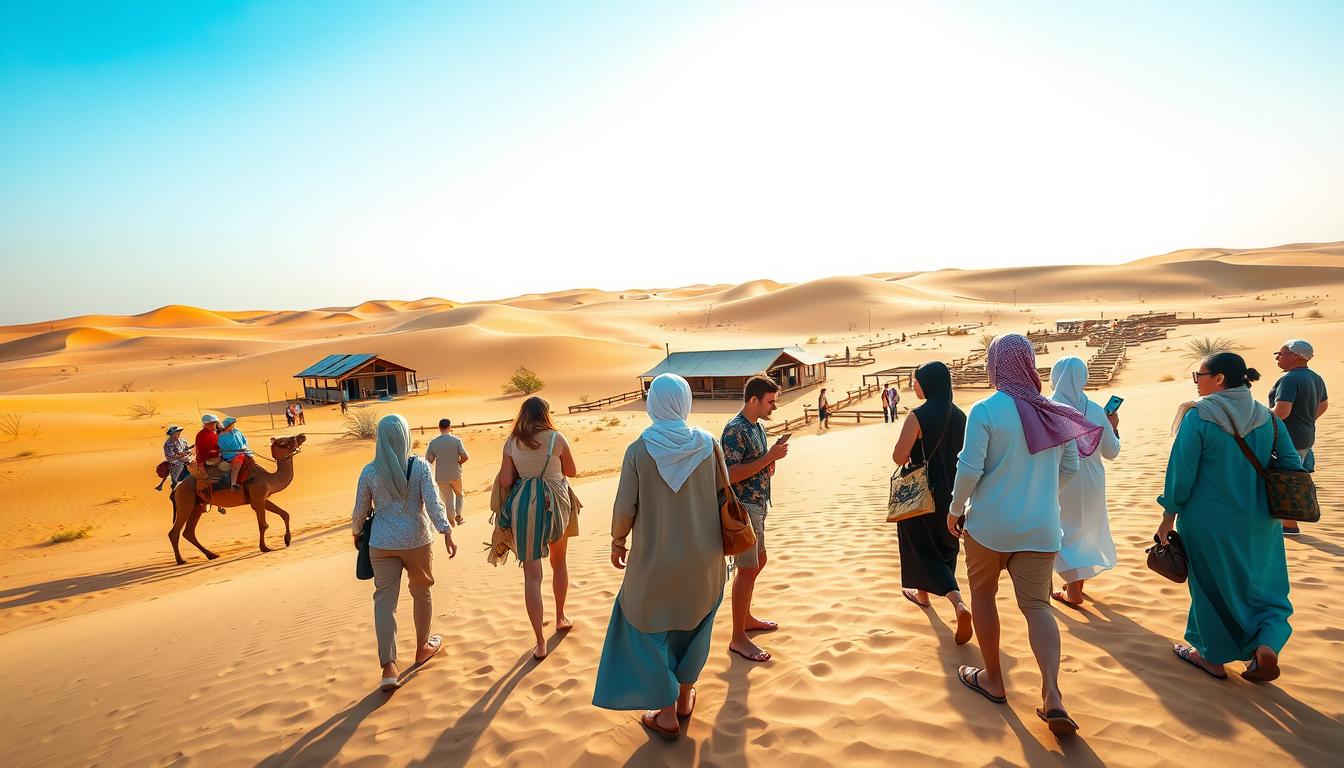
Ступив на песок на рассвете, вы почувствуете неожиданное спокойствие. Дюны сияют золотом, а ветерок кажется чистым. В этой тишине вы поймёте, почему экологичный туризм в пустыне Шарджи так важен.
Эта статья расскажет вам, как путешествовать ответственно. Вы узнаете, как инициативы в области устойчивого туризма Сделаем сафари и прогулки на природе ещё лучше. Вы также откроете для себя ценности экологически сознательные путешественники и как они защищают среду обитания.
Благодаря развитию экотуризма в Шардже вы узнаете, как путешествовать налегке и с пользой. Вы откроете для себя достопримечательности, не наносящие вреда окружающей среде, получите практические советы по планированию и узнаете, как выбрать туры, бережно относящиеся к дикой природе и культурному наследию.
Основные выводы
- Вы можете насладиться пустынями Шарджи, поддерживая инициативы в области устойчивого туризма которые защищают дюны, дикую природу и воду.
- Экологичные путешественники помочь сохранить культуру и природу, выбрав ответственная практика туризма и проверенные операторы.
- Развитие экотуризма в Шардже связывает живописные приключения с охраной природы, исследованиями и общественной пользой.
- Выбор с минимальным воздействием на окружающую среду — от многоразовых бутылок до организованных маршрутов — сделает ваш визит более безопасным для среды обитания и более значимым для вас.
- Сертифицированные туры и четкие этические принципы в отношении дикой природы и отходов превращают поездку в пустыню в позитивное воздействие на местную среду.
- Простые действия, повторяемые многими, приводят в движение Развитие экологически чистого туризма в пустыне в Шардже вперед.
Тенденции развития экологичного туризма в пустыне формируют инициативы Шарджи в области устойчивого туризма
В Шардже можно увидеть экологичный туризм в пустыне даже в мелочах. Лагеря чище, гиды рассказывают о правилах безопасности в дикой природе, а тропы легко проходимы. Эти меры сделают ваше путешествие более комфортным и снизят вред для окружающей среды.
По всей территории ОАЭ ответственная практика туризма становится нормой. Вы получаете лучший сервис от проверенных операторов, понятные цены и экологичные обновления. Это означает меньше отходов, меньше шума и больше времени для наслаждения пустыней.
Какую пользу вы получаете от инициатив по устойчивому туризму в ОАЭ
- Более чистые и хорошо управляемые лагеря с тенью, станциями переработки отходов и точками заправки, которые сокращают количество одноразового пластика.
- Более безопасные протоколы для дикой природы и ограничения скорости, которые защищают виды арабских животных и делают ваши поездки более плавными.
- Прозрачная сертификация и обучение гидов, поэтому вы можете бронировать с уверенностью и избегать «зеленого камуфляжа».
- Гибкое время отправления позволяет избежать пиковой жары, снизить энергетическую нагрузку и повысить комфорт.
Основные тенденции, побуждающие экологически сознательных путешественников посещать дюны Шарджи
- Меньшие размеры групп снижают уровень беспокойства и дают вам больше времени для непосредственного общения с опытными гидами.
- Электрические или малоэмиссионные перевозки, а также работа лагерей на солнечной энергии теперь стали обычным явлением по всей пустыне.
- Программы пополнения запасов воды в сочетании с многоразовыми бутылками вместо пластиковых бутылок.
- Маршруты, сочетающие приключения и обучение, которые сочетают беседы об охране природы с наблюдением за звездами или катанием на сэндборде.
Эти изменения показывают, Развитие экологически чистого туризма в пустыне в ШарджеОни помогают путешественникам воплощать свои ценности в действия. Вы поддерживаете экологичный туризм, наслаждаясь изысканным и экологичным путешествием.
Согласование ответственной туристической практики с местной культурой и наследием
Туры теперь бережно хранят традиции Эмиратов. Вы сможете услышать истории бедуинов, понаблюдать за соколиной охотой и попробовать местные блюда.
Ответственный туризм также подразумевает привлечение местных гидов и поддержку ремесленников. Он подразумевает уважение к священным местам и соблюдение обозначенных маршрутов. Таким образом, наследие и среда обитания процветают вместе.
- Стандарты «не оставляйте следов» и четкий этикет поведения в дюнах на каждом маршруте.
- Раздельный сбор отходов в лагерях и партнерства, финансирующие проекты по охране природы.
- Общественные пути, которые сохраняют доходы от туризма в Шардже, одновременно повышая квалификацию и качество обслуживания.
Выбирая проверенный опыт, вы присоединяетесь экологически сознательные путешественники которые ценят подлинность и заботу. Ваша поездка поддерживает Развитие экологически чистого туризма в пустыне в Шардже. Он построен на инициативы в области устойчивого туризма и ответственная практика туризма которые чтят землю и культуру.
Охрана окружающей среды в туризме: защита хрупких экосистем пустыни Шарджи
Ваши действия в дюнах Шарджи играют ключевую роль в сохранении окружающей среды. Как путешественники, вы помогаете защитить места обитания, сформированные ветром, солью и дождём. Передвигаясь осторожно, соблюдая тишину по ночам и разумно используя ресурсы, вы поддерживаете устойчивое развитие пустыни.
Что вам следует знать о биоразнообразии пустынь и сохранении среды обитания
Пески Шарджи – дом для множества животных. Здесь обитают аравийские ориксы, песчаные газели, пустынные лисицы, тушканчики и перелётные птицы. Растения, такие как галофиты и недолговечные цветы, скрепляют песок и служат кормом для животных.
Съезд с проезжей части может повредить почву и вызвать эрозию. Оставайтесь на обозначенных тропах и избегайте зелёных зон. Это поможет защитить пустыню.
Низкоэффективные стандарты туризма, уменьшающие следы на дюнах
- Придерживайтесь обозначенных путей и объезжайте участки с растительностью.
- Ограничьте размеры конвоя; используйте наблюдателей при преодолении дюн, чтобы избежать колейности.
- Соблюдайте тишину на рассвете и во время сумерек, чтобы дикие животные могли добывать себе пропитание.
- Откалибруйте давление в шинах, чтобы уменьшить сдвиг и защитить поверхности дюн.
Эти меры помогают снизить вред, наносимый пустыне. Они отвечают потребностям путешественников, заботящихся об окружающей среде. Когда туроператоры следуют этим рекомендациям, туризм в Шардже развивается устойчивым образом.
Стратегии управления отходами, водой и энергией для приключений в пустыне
Лагеря и походы могут быть эффективными, не жертвуя комфортом. Использование солнечных или гибридных источников энергии, светодиодного освещения и датчиков экономит энергию. Повторное использование сточных вод, использование насадок с низким расходом и станций долива также помогает экономить воду.
- Правила вывоза и ввоза отходов с сортировкой вторсырья на месте.
- По возможности компостируйте органические отходы; сдавайте отработанные масла и фильтры на лицензированные предприятия.
- Возьмите с собой многоразовую бутылку и столовые приборы; отказывайтесь от одноразового пластика на каждой остановке.
Выбирайте туроператоров, которые делятся своим влиянием на окружающую среду. Ваш выбор способствует сохранению природы и развитию устойчивого туризма в Шардже.
| Зона воздействия | Best Practice | Действие путешественника | Измеримый результат |
|---|---|---|---|
| Дикая природа и среда обитания | Выделенные трассы, тихие часы, наблюдатели на гребнях | Оставайтесь на маршрутах, снижайте уровень шума на рассвете/закате | Меньше нарушений; нетронутая растительность |
| Энергия | Солнечные или гибридные генераторы; светодиоды и датчики | Бронируйте места в лагерях с низким потреблением энергии; выключайте неиспользуемое освещение | Снижение расхода топлива и выбросов на одного гостя |
| Вода | Повторное использование сточных вод (там, где это разрешено); устройства с низким расходом; станции заправки | Наполняйте бутылки водой; принимайте душ короче | Уменьшение количества литров на гостя в день; меньше пластиковых бутылок |
| Снизить отходы | Ввоз/вывоз; переработка; возврат лицензированного масла | Сортируйте отходы; избегайте одноразовых предметов | Более высокие показатели отклонения от маршрута; более чистые кемпинги |
Достопримечательности экотуризма в пустыне, которые можно исследовать с заботой об окружающей среде
Вы можете насладиться экотуризмом в пустыне Шарджа, не причиняя вреда дюнам. Выбирая экологичные варианты, вы поддерживаете развитие устойчивого туризма в пустыне. Это достигается благодаря ответственная практика туризма и выбор гидов, заботящихся об охране природы.
Наблюдение за звездами, наблюдение за дикой природой и прогулки на природе с акцентом на сохранение природы
Во время экскурсий по наблюдению за звёздами используются специальные фонари для защиты ночного неба и животных. Вы узнаете о созвездиях, соблюдая тишину и работая в небольших группах.
Прогулки на природе проходят по обозначенным тропам. Вы будете наблюдать за дикой природой в бинокль и останавливаться на смотровых площадках. Эти действия демонстрируют уважение к окружающей среде и привлекают тех, кто заботится о природе.
Сэндбординг, катание на верблюдах и маршруты для квадроциклов, разработанные с учетом минимального воздействия на окружающую среду
Сэндбординг проводится на устойчивых участках дюн, вдали от растений. Доски вощеные, чтобы избежать проливов. Поднимаясь обратно, вы следуете по уже проложенным тропам.
Во время прогулок на верблюдах особое внимание уделяется благополучию животных. Они несут лёгкий груз, отдыхают в тени и проходят ветеринарный осмотр. Маршруты для квадроциклов и багги спланированы таким образом, чтобы избегать уязвимых участков, и предусматривают остановки на твёрдых поверхностях для предотвращения повреждений.
Культурные встречи, организованные сообществом, поддерживают местный уровень жизни
Общественные программы позволяют прикоснуться к культуре Эмиратов. Вы можете присоединиться к поэтическим кружкам, посетить кофейные церемонии и познакомиться с традиционными ремёслами. Вы также узнаете об экологичной кулинарии и местных ингредиентах.
Ваши средства пойдут на поддержку местных гидов, мастериц и мелких производителей продуктов питания. Эти мероприятия связывают культуру с охраной природы, помогая семьям и одновременно защищая окружающую среду.
| Experience | Метод с низким воздействием | Польза для дикой природы и среды обитания | Влияние сообщества |
|---|---|---|---|
| рассеянность | Фонарики красного света, установки с низким уровнем освещенности, тихие группы | Сохраняет темное небо и ночной образ жизни | Создает квалифицированные рабочие места для астрономических гидов |
| Прогулки на природе с гидом | Маркированные тропы, наблюдение вдаль с помощью бинокля | Уменьшает повреждение следов и нор | Поддерживает сертифицированных местных егерей и педагогов |
| Сендбординг | Стабильные скользящие поверхности, внешняя обработка досок воском | Защищает растения и микродюнные корки | Нанимает обученных инструкторов и специалистов по снаряжению |
| Опыт верблюдов | Стандарты благополучия животных и затенённый отдых | Предотвращает стресс и переутомление в стадах | Прямой доход для погонщиков верблюдов и ветеринаров |
| Маршруты для квадроциклов/багги | Предварительно проложенные пути, упоры с упрочненной поверхностью | Избегает мест размножения и дюнных рубцов. | Поддерживает лицензированных операторов, приверженных сохранению природы |
| Культурные встречи | Общественная поэзия, кофе, ремесла | Связывает наследие с заботой о среде обитания | Финансирует мастериц и мелких производителей продуктов питания |
Развитие экологически чистого туризма в пустыне в Шардже
Вы можете увидеть рост экологичного туризма в пустыне в Шардже на практике. Спрос на ответственные поездки побуждает операторов разрабатывать маршруты с минимальным воздействием на окружающую среду. Кроме того, они улучшают инструктажи по технике безопасности и предлагают понятные инструкции по поведению в дюнах.
Вы получите более насыщенные истории о геологии, звездных картах и наследии бедуинов, не оставляя тяжелых следов.
Развитие экотуризма в Шардже Теперь здесь предпочитают прогулки в прохладное время суток и лёгкие развлечения, требующие от вас мастерства. Утреннее сафари по пустыне поможет вам справиться с жарой. Вечерние программы сочетают наблюдение за небом с дегустацией эмиратской кухни под звёздами.
Заправочные станции сокращают использование одноразового пластика, а солнечные светильники снижают уровень шума и выбросы генераторов.
Вы получаете выгоду от инициатив в области устойчивого туризма, которые превращают небольшие решения в реальные достижения. Чёткие границы маршрутов защищают рощи и места гнездования гафов. Сертифицированные водители придерживаются обозначенных троп, а размеры групп невелики для комфорта диких животных.
Эти усилия по обеспечению устойчивости пустыни сделайте приключение осторожным, а не скованным.
Операторы публикуют экологические обязательства, которые можно просмотреть перед бронированием. Многие из них сотрудничают с местными гидами и ремесленниками, создавая стабильную работу и давая возможность познакомиться с местными жителями. В результате вы сможете попробовать себя в сэндбординге, познакомиться с опытными рейнджерами и уехать, зная, что ваш визит внес вклад в сохранение природы и развитие сообщества.
Следите за прозрачными данными о водопользовании, сортировке отходов и источниках энергии в лагерях и на транспортных средствах. Ваш выбор свидетельствует о важности ответственного проектирования, и рынок прислушивается к вашим пожеланиям.
| Тип опыта | Ключевая особенность устойчивого развития | Путешественникам | Воздействие на сообщество и природу |
|---|---|---|---|
| Утреннее пустынное сафари | Планирование более холодных часов для снижения энергетической нагрузки | Комфортная температура и более длительное активное время | Меньше расход топлива, меньше рисков теплового стресса для диких животных |
| Вечернее наблюдение за звездами и культурный ужин | Освещение солнечной дорожки и астрономические зоны с низким уровнем освещенности | Ясное ночное небо и захватывающие заметки о культурном наследии | Сокращение светового загрязнения, поддержка местных производителей продуктов питания |
| Занятия по сэндбордингу и развитию навыков | Обозначенные склоны с контролем эрозии | Безопасные зоны практики и лучшее обучение | Защищенные гребни дюн и стабильные места обитания |
| Прогулки с гидом по дикой природе | Небольшие группы и обозначенные коридоры | Более тихий просмотр и более четкая интерпретация | Минимальное воздействие на местные виды |
| Лагерные операции | Автозаправочные станции, сортировка отходов и повторное использование сточных вод | Легкое увлажнение и более чистые места общего пользования | Меньше пластика, более разумное управление водными ресурсами |
Вместе эти выборы показывают, как Развитие экотуризма в Шардже соответствует инициативам в области устойчивого туризма и текущим усилия по обеспечению устойчивости пустыниВы получите незабываемые впечатления, которые позволят вам сохранить место, сохранить ресурсы и сохранить дюны устойчивыми к следующему визиту.
Практики ответственного туризма, которым вы можете следовать в любой поездке в пустыню
Вы играете важную роль в будущем дюн. Следуя принципам ответственного туризма, вы помогаете защищать окружающую среду. Вы также делаете поездки по пустыне более безопасными и приятными для всех жителей ОАЭ.
Принципы «не оставляйте следов» для путешественников и туроператоров
Всегда забирайте с собой мусор, включая еду и мелкие предметы. Не сходите с троп и не портите песок. Собирайтесь небольшими группами и следуйте указаниям гида.
Старайтесь не разводить костры или, если необходимо, используйте костер. Рассыпайте остывшую золу подальше от растений. Соблюдайте тишину по ночам и не нарушайте покой природы. Эти действия помогают пустыне оставаться здоровой, не мешая вам.
Правила этического взаимодействия с дикой природой и использования дронов
Держитесь на безопасном расстоянии от диких животных и никогда не кормите их. Планируйте свои действия так, чтобы не причинить вреда животным в период размножения или в период наибольшей жары. Если животное выглядит напряженным, отойдите и измените маршрут.
Запускайте дроны только там, где это разрешено, и соблюдайте правила ОАЭ. Не летайте над животными, их жилищами или водоёмами. Осторожные полёты помогут защитить диких животных пустыни и их среду обитания.
Выбор экологически сертифицированных туров и вариантов транспорта
Выбирайте туры с разумным расходом топлива и совместными поездками. Ищите операторов, которые проводят чёткие инструктажи по технике безопасности и рассказывают о заботе об окружающей среде.
Убедитесь, что ваши гиды обучены оказанию первой помощи и имеют страховку. Выбирайте туры с медленной ездой, без холостого хода и с возможностью пополнения запасов воды. Такой выбор показывает, что вы цените сохранение пустыни.
Развитие экотуризма в Шардже: политика, партнёрство и сертификация
Экотуризм в Шардже сочетает политику с действиями. Здесь действуют чёткие правила экологичного туризма. Это делает ваше путешествие по пустыне увлекательным и экологичным.
Как региональные правила способствуют усилиям по обеспечению устойчивости пустынь
В ОАЭ охрана природы — превыше всего. Планы определяют, куда можно пойти и как остановиться. Разрешения и ограничения помогают защитить дюны и животных.
Экологические проверки позволяют контролировать ситуацию. Таким образом, туризм приносит пользу пустыне и удовольствие вам.
Сотрудничество государственного и частного секторов ускоряет зеленую трансформацию
Правительство и бизнес работают вместе. Они используют солнечную энергию и экономят воду. Это способствует развитию туризма в пустыне.
Университеты и компании также помогают. Они обмениваются данными и совершенствуют оборудование. Это делает экотуризм в Шардже более сильным и эффективным.
Экомаркировка и стандарты проверки, на которые следует обратить внимание перед бронированием
Перед бронированием проверьте наличие экологических сертификатов. Обратите внимание на стандарты ISO и местные планы устойчивого развития. Также проверьте, предоставляют ли они отчетность о своем воздействии на окружающую среду.
Выбирайте туры, которые демонстрируют их заботу об окружающей среде. Это способствует сохранению пустыни и развитию экологичного туризма в Шардже.
Проекты по сохранению пустыни Шарджа поддерживают устойчивое развитие
Вы попадаете в живую лабораторию, где дюны, кустарники и дикая природа служат ориентиром. В Шардже проекты по сохранению пустыни сочетают науку и туризм. Это показывает, как мы можем защищать природу, одновременно создавая незабываемые впечатления для тех, кто заботится об окружающей среде.
Ответственный туризм прокладывает путь через пески. Он формирует наш образ жизни, обеспечивая безопасность и тишину дикой природы. Это позволяет животным свободно перемещаться, а растениям восстанавливаться после смены времён года.
Программы реставрации, охраняемые территории и исследовательские инициативы
Восстановление местных растений стабилизирует дюны и служит пищей для опылителей. На охраняемых территориях заботятся о аравийских ориксах и песчаных газелях. Исследовательские группы изучают, как меняются растения и дюны, помогая планировать приток новых посетителей.
Эти проекты помогают гидам и водителям делать более осознанный выбор. Они уменьшают ущерб, наносимый пустыне, делая её более безопасной для тех, кто любит природу.
Возможности волонтерской работы для путешественников, которые могут внести значимый вклад
Вы можете присоединиться к уборке, запечатлеть диких животных или посадить засухоустойчивые кустарники. Эти действия помогут сохранить местную среду обитания и сделают вашу поездку более содержательной.
Узнайте о безопасности, использовании инструментов и определении видов. Ваши усилия помогают реставрационным бригадам работать в пустыне круглый год.
Измерение воздействия: показатели углерода, воды и среды обитания
Ищите операторов, которые делятся данными о выбросах углерода, воде и среде обитания. Это поможет вам выбирать маршруты, которые безопаснее для окружающей среды.
Когда поставщики делятся своим прогрессом, вы видите, как туризм помогает природе. Эти знания побуждают путешественников ещё активнее поддерживать ответственный туризм.
Планируйте маршрут с минимальным воздействием на окружающую среду: когда посещать, что брать с собой и как путешествовать экологично
Правильно выбрав время поездки, вы сможете уменьшить свой экологический след. Приезжайте в прохладные месяцы или выберите утреннее сафари по пустыне. Это снизит тепловой стресс и потребность в энергии. Вечернее сафари по пустыне предлагает виды темного неба и культурные программы, что соответствует принципам ответственного туризма.
Возьмите с собой всё необходимое: умное, но лёгкое. Возьмите многоразовую бутылку для воды, солнцезащитный крем с SPF 50 и дышащую одежду. Не забудьте шляпу с широкими полями, обувь с закрытым носком и лёгкий шарф для защиты от песка. Также возьмите с собой небольшой мусорный мешок, многоразовую посуду и налобный фонарик с красным светом для наблюдения за звёздами.
Важно выбирать способ передвижения. По возможности пользуйтесь совместными трансферами, групповыми поездками или общественным транспортом. Старайтесь проводить время в одном месте, чтобы сократить использование транспорта. Ищите операторов с заправочными станциями и удобствами без пластика, демонстрируя заботу о пустыне ОАЭ.
Размер группы влияет на ваше воздействие. Бронируйте экскурсии для небольших групп и уточняйте максимальное количество участников заранее. Узнайте, как маршруты избегают зон, уязвимых для дикой природы, и соблюдают ли гиды принципы ответственного туризма.
Перед бронированием ознакомьтесь с информацией на странице тура, чтобы узнать о тренингах и экологических инструктажах. Обратите внимание на электромобили или гибридные автомобили. Вы также можете посмотреть экологически чистый гид по дюнам чтобы увидеть, как операторы планируют и ограничивают свое воздействие.
Наконечник: Заведите себе на телефон простой список вещей, чтобы не брать с собой слишком много вещей. Доливайте воду при любой возможности.
| Элемент плана | Выбор с низким воздействием | Почему это имеет значение | Что вы можете сделать |
|---|---|---|---|
| тайминг | Прохладные месяцы или утренние/вечерние туры | Снижает тепловой стресс и потребность в энергии | Выбирайте утро для активного отдыха, вечер — для наблюдения за звездами и знакомства с культурой. |
| упаковка | Многоразовая бутылка, солнцезащитный крем, шарф, закрытая обувь | Уменьшает количество отходов и предотвращает воздействие солнца и песка | Возьмите с собой мусорный мешок, многоразовую посуду и налобный фонарь с красным светом. |
| Транспорт | Совместные трансферты и кластерные мероприятия | Сокращает пробег и выбросы | Забронируйте трансфер во время тура и избегайте лишних объездов |
| Операторы | Заправочные станции, удобства без пластика, небольшие группы | Сигнализирует о сильных инициативах в области устойчивого туризма | Подтвердите количество участников группы и спросите о маршрутах, безопасных для диких животных. |
| Поведение во время тура | Оставайтесь на заданном маршруте и следуйте инструкциям гида. | Защищает места обитания и уменьшает беспокойство | Упакуйте все отходы и сведите шум к минимуму. |
| Тип опыта | Наблюдение за темным небом и мероприятия на природе | Поддержка достопримечательности экотуризма в пустыне с низким воздействием | Выбирайте программы, соответствующие принципам ответственного туризма |
| Профиль путешественника | Экологичные путешественники | Создает спрос на более высокие стандарты | Перед бронированием узнайте о сертификатах и оборудовании. |
Действия по обеспечению устойчивости пустыни: возобновляемые источники энергии, рациональное использование водных ресурсов и сокращение отходов
В дюнах Шарджи технологии сочетаются с практичностью. Кемпинги теперь сочетают простые решения с масштабными целями. Таким образом, ваша поездка помогает окружающей среде, не жертвуя комфортом.
Лагеря на солнечной энергии и энергоэффективные операции
Во многих лагерях для освещения, охлаждения и зарядки используется солнечная энергия. Они используют аккумуляторы и интеллектуальное управление, чтобы сократить использование генератора. Кроме того, они переходят на светодиоды и приборы Energy Star.
Здесь также есть затенённая парковка и навесы для охлаждения палаток. Эти небольшие шаги имеют большое значение для устойчивого развития пустыни.
Протоколы экономии воды и станции дозаправки для гостей
Экономия воды начинается с кранов с низким расходом воды и душа с таймером. Они проверяют наличие утечек и предлагают станции фильтрации воды. Таким образом, вы можете наполнять бутылку вместо пластиковых.
Льдогенераторы работают эффективно, экономя воду. Эти усилия показывают, как туризм может защитить окружающую среду Шарджи.
Системы замкнутого цикла переработки отходов и стандарты отказа от пластика
В лагерях отходы сразу сортируют и перерабатывают пластик, стекло и металлы. Они правильно утилизируют отработанные масла и фильтры, а также компостируют пищевые отходы. Это демонстрирует их стремление сократить количество отходов.
Они избегают использования одноразовых предметов, таких как трубочки и столовые приборы. Вместо этого они используют диспенсеры и прочные предметы. Поддерживать эти усилия означает приносить с собой собственные бутылки и отказываться от одноразовой посуды.
Как Desert Buggy Rental Dubai способствует продвижению экотуризма
Выбрать Desert Buggy Rental Dubai — это больше, чем просто удовольствие. Мы поддерживаем экологичный туризм и ответственное отношение к природе. Вы помогаете защитить дюны, дикую природу и культурное наследие. Ваше бронирование также способствует развитию экологичного туризма в пустыне Шарджа.
Ваш экологичный выбор: туры на багги по дюнам, туры на квадроциклах и сэндбординг по маршрутам с минимальным воздействием на окружающую среду
Вы будете следовать размеченным маршрутам, избегая уязвимых участков. Гиды будут держать группы вместе и объяснят вам правила безопасной остановки. Это снизит риск повреждения песка.
Сэндбординг проводится на специально отведённых склонах. Это позволяет сохранить дюны и их семена. Транспортные средства регулярно проверяются на предмет утечек и шума. Кроме того, вместо пластика используются многоразовые бутылки.
Вечернее и утреннее сафари по пустыне, соответствующие принципам ответственного туризма
Утренние и вечерние сафари более тихие и прохладные. Вы сможете насладиться лучшим освещением и меньше уставать от жары. Тенистые места для отдыха и эффективное планирование сэкономят силы.
Правильное планирование поездки способствует естественному ритму пустыни. Это способствует развитию экологичного туризма в Шардже.
Катание на верблюдах и ужин-барбекю в пустыне, организованные с учетом местной культуры и окружающей среды
Походы на верблюдах безопасны и уважительны. Вы узнаете о наследии бедуинов. В пустынном барбекю используются многоразовые предметы и рациональное распределение порций для сокращения отходов.
Эти культурные особенности делают экологически чистый туризм естественным. Они основаны на аутентичных впечатлениях от пребывания в пустыне и ценностях местного сообщества.
| Experience | Ключевые экологические действия | Путешественникам | Как это поддерживает ответственную практику туризма |
|---|---|---|---|
| Туры на багги по дюнам | Выделенные дорожки обходят флору и корки | Более плавная езда, более безопасные дюны | Предотвращает эрозию и защищает среду обитания |
| Туры на квадроциклах | Контроль размера группы и интервалов | Меньше пыли, лучшая видимость | Снижает уровень шума и стресс для диких животных |
| Сендбординг | Установите склоны с контролируемым доступом | Стабильное скольжение и безопасность | Сохраняет целостность дюн с течением времени |
| Утреннее/вечернее сафари | Планирование с учетом жары | Комфортные климатические окна | Снижает потребность в энергии и уровень беспокойства |
| Верблюжий караван | Благосостояние и отдых | Спокойное, захватывающее путешествие | Отдает дань уважения заботе о животных и традициям |
| Ужин-барбекю в пустыне | Многоразовая посуда и планирование порций | Вкусная еда с меньшим количеством отходов | Поддержка продвижение экологического туризма цели |
Бронируйте круглосуточно: +971 52 440 9525 | [электронная почта защищена]
Бронируйте в любое время, чтобы гарантировать себе незабываемые впечатления. Ваш выбор поддерживает экологичный туризм в пустыне Шарджа. Мы готовим достопримечательности к следующим путешественникам.
Для экологически сознательных путешественников: советы по бронированию, безопасность и доступность в Шардже
Ищете поездку в пустыню, которая не только бережно относится к природе, но и безопасна? В Шардже сейчас работает множество туроператоров, которые придерживаются принципов устойчивого туризма и ответственного туризма. Вот как забронировать тур с уверенностью и поддержать сохранение пустыни, наслаждаясь дюнами.
Как проверить заявления об устойчивом развитии перед бронированием
Узнайте у операторов об их политике в области энергопотребления, водоснабжения и утилизации отходов. Обратите внимание на результаты аудита или сертификации от независимых организаций. Также попросите примеры того, как они управляют маршрутами и защищают дикую природу.
Экологически сознательным путешественникам стоит выбирать туры для небольших групп. Им также стоит увидеть примеры экологичных методов, способствующих сохранению пустынь.
- Просмотрите страницы, посвященные устойчивому развитию, на предмет измеримых целей и сроков.
- Подтвердите наличие систем пополнения воды, замену пластика без использования пластика и использование солнечной энергии.
- Проверьте журналы обучения, в которых отражены принципы ответственного туризма.
- Проверить мониторинг уязвимых местообитаний и сезонных закрытий маршрутов.
Инструктажи по технике безопасности, проверка снаряжения и информирование о дикой природе
Безопасность — ключ к успеху перед началом. Обязательно пройдите инструктаж по технике безопасности, проверьте снаряжение и составьте план действий на случай жары. Позаботьтесь о спасательном оборудовании, рациях, системе контроля давления в шинах, аптечках и инструкторах, которые умеют адаптироваться к погодным условиям.
- При регистрации объясняются графики увлажнения и пребывания в тени.
- Проверена посадка шлема, регулируемые ремни безопасности и защита глаз.
- Правила дикой природы: запрет на кормление, безопасная дистанция и четкая политика в отношении дронов.
- Нанесены на карту этапы реагирования на чрезвычайные ситуации и точки встречи.
Инклюзивный опыт для семей и людей с разными способностями
Узнайте о наличии подножек или подъемников для автомобилей, опор для сидений и доступа к туалетам в кемпингах. Многие операторы предоставляют регулируемые шлемы и затенённые зоны ожидания. Раннее бронирование поможет вам подобрать тур для небольшой группы, который соответствует вашим потребностям и способствует экологичному туризму.
- Во время опроса подробно опишите ваши потребности в области мобильности, чувствительности или ходьбы.
- Проверьте наличие детских автокресел, шлемов разных размеров и надежных креплений ремней.
- Запросите более медленные маршруты вблизи объектов и более короткое время пересадки.
- Ищите команды, обученные принципам инклюзивного и ответственного туризма.
| Контрольно-пропускной пункт бронирования | Что спросить | Почему это имеет значение | Экологическое выравнивание |
|---|---|---|---|
| Доказательство устойчивости | Аудиторские отчеты, карты маршрутов, протоколы по дикой природе | Фильтрует гринвошинг и демонстрирует реальные действия | Спинки Проекты по сохранению пустыни Шарджа |
| Системы безопасности | Инструктажи, радиостанции, средства спасения, первая помощь | Предотвращает инциденты и сокращает задержки | Поддерживает ответственную практику туризма |
| Управление теплом | Планы по гидратации, тень, время нахождения в пик солнечного света | Защищает здоровье в условиях пустыни | Оптимизирует планирование с минимальным влиянием на ситуацию |
| Забота о дикой природе | Запрет на кормление, правила дистанции, ограничения на использование дронов | Предотвращает стресс и вред среде обитания | Укрепляет инициативы в области устойчивого туризма |
| Универсальный доступ | Лестницы/подъемники, опоры для сидения, доступ в туалет | Делает опыт инклюзивным для всех | Расширяет преимущества для экологически сознательных путешественников |
Заключение
Осторожное путешествие оставляет неизгладимое впечатление. В пустынях Шарджи каждый выбор имеет значение. От выбора маршрута до использования многоразовых бутылок — всё имеет значение.
Такой подход способствует развитию экологичного туризма в пустыне. Он укрепляет доверие к операторам, которые заботятся о дикой природе и уважают культуру бедуинов. Ваш выбор помогает претворить политику в жизнь.
Ищите компании, которые заботятся о пустыне. Desert Buggy Rental Dubai — отличный пример. Они предлагают увлекательные поездки и заботятся об окружающей среде.
Они используют экологически безопасные тропы и заботятся о верблюдах. Использование солнечной энергии в их работе свидетельствует об их приверженности принципам устойчивого развития. Это способствует созданию достойных рабочих мест и созданию безопасных условий обитания для диких животных.
Планируйте поездки просто, но эффективно. Путешествуйте в часы наименьшей нагрузки и носите с собой многоразовый баллон. Не сходите с обозначенных маршрутов и избегайте использования дронов вблизи диких животных.
Выбирая гидов, заботящихся об охране природы, вы поддерживаете экотуризм. Это защищает дюны и местные виды для будущих поколений.
С каждым шагом вы вносите вклад в развитие экологичного туризма в пустыне Шарджа. Подробнее об устойчивом туризме и сафари по наследию Эмиратов читайте здесь. обзор. Возьмите эти принципы с собой в каждое приключение в пустыне.
FAQ
Как развитие экологически чистого туризма в пустыне Шарджа меняет ваши впечатления?
Вы увидите небольшие группы и более чёткие правила поведения в дикой природе. Туры теперь сочетают культуру с охраной природы. Лагеря используют солнечную энергию, а станции заправки заменяют одноразовый пластик.
Маршруты обходят уязвимые места обитания. Это способствует охрана окружающей среды в туризме обеспечивая вам комфорт и безопасность.
На какие инициативы в области устойчивого туризма следует обратить внимание при бронировании туров по пустыне?
Обратите внимание на кемпинги с солнечными батареями и совместные трансферы. Также обратите внимание на наличие пунктов пополнения запасов воды, сортировки отходов и экологических политик. Ответственный туризм подразумевает ограничения скорости, выделенные маршруты и тихие часы.
Гиды должны быть обучены оказанию первой помощи и этике поведения в дикой природе.
Как можно исследовать достопримечательности экотуризма в пустыне, не нанося вреда дикой природе или среде обитания?
Не сходите с обозначенных троп и наблюдайте за животными на расстоянии. Выбирайте туры с ограничением размера конвоя. Выбирайте для сэндбординга устойчивые скользящие поверхности и маршруты для квадроциклов, обозначенные на карте, чтобы избежать мест размножения.
Эти меры защищают растительность, птиц и такие виды, как аравийский орикс и песчаная газель.
Какие основные тенденции привлекают экологически сознательных путешественников в дюны Шарджи?
Ключевую роль играют более чистые лагеря, электропередачи или переходы с низким уровнем выбросов, а также водонапорные станции. Также важно рассказывать истории, основанные на принципах охраны природы. Гибкий график работы позволяет сократить потребление тепла и энергии.
Местный источник поставок поддерживает ремесленников и гидов, что является отличительной чертой развития экотуризма в Шардже.
Какие стандарты минимального воздействия на дюны должен соблюдать ваш туроператор?
Операторам следует придерживаться обозначенных маршрутов и ограничивать размер групп. Используйте наблюдателей на гребнях и контролируйте давление в шинах для уменьшения колейности. Избегайте участков с растительностью.
Им следует обеспечить соблюдение правил «не оставляйте следов» и публиковать показатели использования ресурсов для продвижения экологически чистого туризма.
Как лагеря управляют отходами, водой и энергией для поддержки усилий по обеспечению устойчивости пустыни?
Ведущие лагеря используют солнечные батареи и светодиодное освещение. Они используют аккумуляторные батареи и затеняющие конструкции. Там, где это разрешено, используются низкопроточные светильники и системы очистки серой воды.
Отходы сортируются для переработки, а масла и фильтры отправляются на лицензированные предприятия.
Какие правила ответственного туризма можно соблюдать во время поездки в пустыню?
Упаковывайте все отходы и откажитесь от одноразового пластика. Используйте многоразовые бутылки. Не шумите вблизи мест обитания диких животных.
Соблюдайте бесполетные зоны для дронов и следуйте инструкциям гида на гребнях дюн. Бронируйте небольшие группы и выбирайте совместный транспорт, чтобы сократить выбросы.
Как можно проверить наличие экологических маркировок и сертификатов перед бронированием?
Запросите проведение независимых аудитов и внедрение систем экологического менеджмента на основе стандартов ISO. Проверьте раскрытие информации об энергопотреблении, водопользовании и отходах. Ознакомьтесь с политикой защиты диких животных и контролируемыми показателями, такими как выбросы углерода и потребление воды на одного гостя.
Какие проекты по сохранению пустыни в Шардже вы, как путешественник, можете поддержать?
Присоединяйтесь к волонтёрским субботникам, регистрируйте наблюдения за дикими животными для гражданской науки или сажайте местные кустарники там, где это разрешено. Охраняемые территории и программы восстановления помогают восстановить растительность и защитить коридоры.
Ваши сборы и экономия времени Проекты по сохранению пустыни Шарджа.
Когда лучше всего планировать маршрут с минимальным воздействием на окружающую среду и что следует брать с собой?
Выбирайте прохладные месяцы для утреннего сафари по пустыне, чтобы снизить тепловой стресс. Или отправляйтесь на вечернее сафари по пустыне, чтобы полюбоваться тёмным небом. Возьмите с собой многоразовую бутылку, солнцезащитный крем, закрытую обувь и лёгкий шарф.
Возьмите с собой многоразовую посуду, небольшой мусорный мешок и налобный фонарь с красным светом.
Как солнечные батареи и рациональное использование водных ресурсов повышают ваш комфорт?
Солнечные батареи обеспечивают бесперебойное освещение и зарядку устройств, снижая при этом уровень шума от генератора. Водопроводные краны с низким расходом воды и душевые с таймером экономят воду, не жертвуя удобством. Дозаправочные станции помогают поддерживать водный баланс и избавляют от пластиковых отходов.
Что делает культурные встречи на уровне сообщества более устойчивыми?
Ваши расходы поддерживают местное население, посещая эмиратские кофейные церемонии, занимаясь поэзией, ремеслами и экологичным приготовлением пищи. Этот опыт способствует сокращению утечек, сохранению культурного наследия и соответствию принципам устойчивого развития. охрана окружающей среды в туризме путем управления финансированием.
Как Desert Buggy Rental Dubai интегрирует принципы устойчивого развития в захватывающие развлечения?
Маршруты для туров по дюнам на багги, квадроциклах и сэндбординга проложены в обход растительности и следуют обозначенным на карте тропам. Гиды проведут инструктаж по технике безопасности и правилам поведения на природе, будут работать с небольшими группами и помогут вам с пополнением запасов воды во время утреннего и вечернего сафари по пустыне.
Соответствуют ли прогулки на верблюдах и ужины-барбекю в пустыне принципам ответственного туризма?
Да. Протоколы Camel Ride предусматривают соблюдение ограничений по нагрузке, отдых, тень, водный баланс и ветеринарный надзор. Desert BBQ Dinner включает в себя многоразовую посуду, планирование порций и культурное повествование, объединяя гостеприимство и экологичные стандарты.
Как связаться с Desert Buggy Rental Dubai для бронирования экологичных автомобилей?
Вы можете забронировать номер за 24 часа по телефону +971 52 440 9525 или [электронная почта защищена]. Узнайте о маршрутах с минимальным воздействием на окружающую среду, ограничениях по размеру группы и подробностях использования солнечных батарей, систем водоснабжения и утилизации отходов, чтобы убедиться, что ваш тур поддерживает продвижение экологического туризма.
Какие проверки доступности и безопасности следует пройти перед туром?
Проверьте наличие инструктажа перед поездкой, радиостанций, спасательного снаряжения, аптечек и планов борьбы с жарой. Запросите информацию о поддержке сидений, ступеньках или подъемниках, затенённых зонах ожидания и размере шлема. Убедитесь, что инструктаж включает информацию о дикой природе и правилах использования дронов.
Как можно измерить и уменьшить экологическую значимость вашей поездки?
Выбирайте совместные трансферы, объединяйте мероприятия и выбирайте операторов, которые публикуют показатели выбросов углерода, воды и среды обитания. Берите с собой многоразовые вещи, избегайте пиковых часов и придерживайтесь обозначенных маршрутов — это конкретные шаги в поддержку инициатив Шарджи в области устойчивого туризма. усилия по обеспечению устойчивости пустыни.
Категории
- Разное (4)
- Прокат багги в пустыне (2,089)
- багги для дюн (4)
- Прокат квадроциклов (1)
- Сафари по пустыне (1)
- Воздушный шар (2)
- мотоцикл-внедорожник (4)
Последние новости



Теги
Список желаний для путешествий в апреле Воздушные туры на Бурдж-Халифа Городской отдых Корпоративные мероприятия Круиз на лодке доу Рестораны в Абу-Даби Рекомендации по питанию Достопримечательности залива Дубай Дубайский фестиваль киберспорта 2025 Дубай Молл Рестораны в торговом центре Dubai Mall Достопримечательности Дубай Марина Виды ночной жизни Дубая Обед на крыше в Дубае Дубайские оздоровительные курорты Исследуйте Санторини День отца Достопримечательности Джорджии Советы путешественникам по Грузии Идеи для отпуска в Джорджии Высококлассный спа-туризм Достопримечательности Куала-Лумпура Местные рынки в Бангкоке Роскошные номера Роскошные парные уединения Роскошный отдых в Абу-Даби Места для роскошного шопинга Роскошные спа-курорты Дубай Малайзийские пасхальные традиции Новые разработки в Дубае Опыт старого Дубая Музей жемчуга Дубай Частные чартеры лодок Частное сафари на закате в Дубае Романтические рестораны Дубая Королевский ботанический сад Сиднея Живописные виды Вид на горизонт Дубая Стильная одежда для воздушных приключений Что посмотреть в Милане Лучшие дизайнерские бренды в торговом центре Dubai Mall Лучшие виды Дубая Национальные праздники ОАЭ Абсолютная роскошь Аренда VIP-лодок в Дубае